Introduction to Precision Alignment Components
Precision engineering relies heavily on components that can maintain exact positioning between parts. In manufacturing and assembly processes, even the slightest misalignment can lead to product failure, reduced efficiency, or accelerated wear. That’s why engineers turn to specialised alignment components that ensure consistent, accurate positioning every time. These small but critical fasteners play an outsized role in maintaining the integrity of assembled parts in everything from automotive engines to medical devices.
The Role of Guide Pins in Assembly Processes
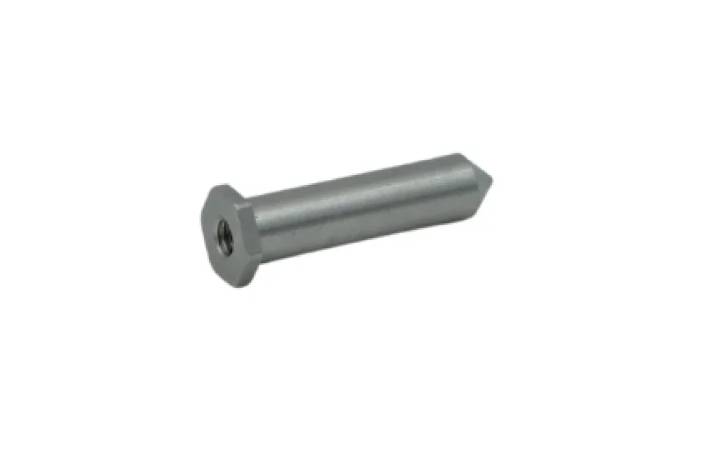
Guide pins serve as positioning elements that help align two parts before they are fully joined together. They typically feature a tapered or chamfered end that makes initial alignment easier as parts come together. When designing assemblies that must repeatedly come apart and reconnect, guide pin provide a fool-proof method for ensuring correct orientation. They’re particularly valuable in applications where visual alignment is difficult or impossible, such as when components must be joined in tight spaces or when automated assembly is being used.
Understanding Dowel Pins and Their Applications
Dowel pins are cylindrical fasteners manufactured to precise dimensions with extremely tight tolerances. Unlike standard fasteners, dowel pins are designed to fit into reamed holes with minimal clearance, creating what engineers call an interference or press fit. This creates a strong, stable connection that resists movement in all directions. They excel in applications where parts must maintain exact positioning relative to each other, even under substantial loads or vibrations. The precision of dowel pins makes them ideal for use in tooling, fixtures, and high-performance mechanical assemblies.
Material Considerations for Precision Pins
The choice of material for guide and dowel pins significantly impacts their performance and lifespan. Stainless steel pins offer excellent corrosion resistance, making them suitable for applications exposed to moisture or chemicals. Hardened steel provides superior wear resistance for high-stress applications, while alloy steel pins deliver a balance of strength and machinability. For applications requiring non-magnetic properties or electrical insulation, pins manufactured from materials like brass, bronze, or even engineering plastics might be the best choice.
Design Factors That Influence Pin Selection
When selecting pins for a specific application, engineers must consider several critical design factors. The load distribution across the pin is paramount—pins that bear too much weight relative to their size can deform or fail. The frequency of assembly and disassembly matters too, particularly with guide pins that may experience wear at their tapered ends. Operating temperature ranges must be considered since thermal expansion can significantly affect fit and function in precision applications. Finally, the overall dimensional constraints of the assembly often dictate the size and placement options available.
Installation Best Practices for Optimal Performance
Proper installation techniques are crucial for maintaining the precision and function of both guide and dowel pins. For dowel pins, reamed holes must be prepared with exact dimensions, typically 0.001 to 0.002 mm smaller than the pin diameter for an interference fit. Installation should be performed with appropriate pressing tools rather than hammers, which can damage the pin ends. With guide pins, installation sequence matters—they should be installed before other fasteners to ensure proper alignment of mating holes before final assembly. It’s also vital to check for burrs or debris that could prevent proper seating.
Common Problems and Troubleshooting
Even with careful design and installation, issues can arise with pin-aligned assemblies. Binding during assembly often indicates misalignment between the pin and its receiving hole, potentially due to accumulated manufacturing tolerances. Pins that work loose over time may point to inappropriate fit specifications or vibration issues in the assembly. Wear at contact points suggests a need for harder materials or surface treatments. Regular inspection of pins for signs of deformation or damage can prevent catastrophic assembly failures and unexpected downtime.
Advanced Applications in Modern Manufacturing
Modern manufacturing continues to find innovative uses for these precision components. In the aerospace sector, specialised guide and dowel pins help maintain critical alignments in engine assemblies and control surfaces. Medical device manufacturers rely on them for precise alignment in surgical instruments and diagnostic equipment. The automotive industry uses them extensively in engine blocks, transmission housings, and precision jigs and fixtures. As manufacturing tolerances grow ever tighter, the role of these simple yet sophisticated components becomes increasingly important.
Conclusion and Next Steps
Selecting the right pins for your precision engineering application can significantly improve assembly quality, reduce errors, and extend product lifespan. Whether you need guide pins for initial alignment or dowel pins for permanent positioning, understanding their proper application is essential. Consider consulting with a fastener specialist to determine the optimal pin specifications for your particular requirements. Take the time to review your current assembly processes—could precision pins solve alignment challenges you’re currently facing?
Featured Image Source: https://sp-ao.shortpixel.ai/client/to_auto,q_glossy,ret_img/https://upsind.com/wp-content/uploads/2024/05/Guide-pin-1.png