Running a commercial property means juggling multiple responsibilities. Electrical safety often gets pushed down the priority list until something goes wrong. A failed circuit or outdated wiring can shut down operations for days, costing thousands in lost revenue and damaging your reputation with tenants or customers.
Commercial EICR Certificates in London represent more than paperwork. They provide a systematic evaluation of your building’s electrical infrastructure, identifying problems before they escalate into emergencies. Properties in high-density areas face particular pressure to maintain uninterrupted service, making regular inspections a business necessity rather than a compliance checkbox.
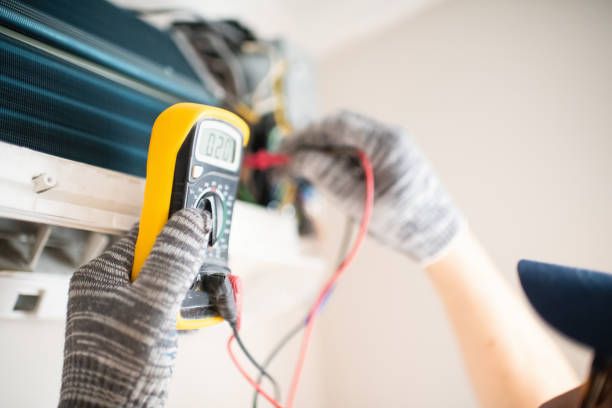
The inspection process examines consumer units, distribution boards, earthing systems, and circuit protection devices. Testing reveals deterioration that visual checks miss. Thermal imaging detects overheating connections. Insulation resistance measurements identify cables approaching failure. These technical assessments translate directly into operational reliability for your business.
Common Electrical Faults in Commercial Buildings
- Overloaded Circuits Create Fire Risks: Modern businesses use more electrical equipment than buildings were designed to handle. Computers, servers, kitchen appliances, and lighting systems draw substantial current. When circuits carry loads beyond their rated capacity, cables overheat. Insulation breaks down. The risk of fire increases dramatically, threatening property and lives.
- Faulty RCD Protection Leaves Systems Vulnerable: Residual current devices should disconnect power within milliseconds when they detect faults. Testing often reveals RCDs that respond too slowly or fail completely. Without proper protection, minor electrical faults can cause electrocution or start fires. Regular testing ensures these critical safety devices function correctly.
- Poor Earthing and Bonding Compounds Danger: Effective earthing provides a safe path for fault currents. Inadequate bonding between metalwork creates potential differences that can prove lethal. Older commercial properties particularly struggle with this issue. Modifications over decades leave earthing systems incomplete or improperly connected.
The Hidden Costs of Electrical Downtime
- Revenue Loss Exceeds Repair Bills: When electrical systems fail, businesses stop operating. Retailers cannot process transactions. Offices lose productivity. Restaurants close their doors. The average commercial property loses between £2,000 and £15,000 per day during electrical outages. Emergency repairs cost three to five times more than planned maintenance.
- Tenant Relationships Suffer Permanent Damage: Commercial tenants expect reliable infrastructure. Repeated electrical problems drive quality tenants away. Empty units mean lost rent. New tenants demand concessions. The property’s reputation in the market deteriorates. Recovering from a pattern of electrical failures takes years.
- Insurance Claims and Legal Liability: Electrical incidents trigger insurance investigations. Insurers scrutinize maintenance records. Properties without current EICR certificates face claim denials. Landlords may be personally liable for injuries or losses. Legal fees and compensation payments dwarf the cost of regular inspections.
Prevention Through Regular EICR Checks
- Scheduled Inspections Identify Deterioration Early: Electrical systems age gradually. Connections loosen. Insulation degrades. Circuit breakers wear out. Five-yearly inspections catch these changes before they cause failures. The electrician’s report prioritizes issues by urgency. Critical faults require immediate attention. Observations note items to monitor. This structured approach prevents surprises.
- Planned Repairs Cost Less and Disrupt Less: Fixing problems during scheduled maintenance allows you to choose timing. Work happens during quiet periods or planned closures. You can budget accurately. Contractors charge standard rates. Emergency callouts demand premium pricing. Rush work often introduces new problems. Planned maintenance delivers better results at lower cost.
- Compliance Documentation Protects Your Investment: Current EICR certificates demonstrate due diligence. They satisfy insurance requirements. They prove compliance with regulations. During property sales, valid certificates reassure buyers. They eliminate objections and support valuations. Missing or outdated certificates create delays and reduce offers.
Steps to Maintain Ongoing Compliance
- Establish a Testing Schedule Based on Property Type: Most commercial properties require EICR testing every five years. High-risk environments need more frequent checks:
- Restaurants and food preparation areas face moisture and heat exposure
- Industrial units with heavy machinery require annual inspections
- Buildings with frequent tenant changes benefit from three-yearly testing
- Properties over 50 years old need closer monitoring due to ageing infrastructure
- Any building undergoing renovations requires testing before and after work
- Choose Qualified Contractors With Commercial Experience: Not all electricians understand commercial electrical systems. Look for contractors registered with competent person schemes. Check their insurance covers commercial work. Request references from similar properties. Verify they provide detailed reports meeting current standards.
- Act on Report Findings Without Delay: EICR reports categorize faults by code. C1 items pose immediate danger and require urgent remediation. C2 faults need correction soon. FI observations should be investigated. Ignoring these recommendations negates the inspection’s value. Create a remediation plan with timelines for each item.
Electrical failures damage businesses in ways that extend far beyond repair costs. Lost revenue, damaged reputation, and legal liability create risks no property owner should accept. Regular EICR inspections provide a straightforward solution. They identify problems early, allow planned repairs, and maintain compliance with regulations. The modest investment in routine testing prevents catastrophic failures that could close your business for weeks. Schedule your next EICR inspection before problems force your hand. Protect your property, your tenants, and your investment through proactive electrical maintenance.
Featured Image Source: https://media.gettyimages.com/id/2206342815/photo/technician-with-multimeter-repairing-air-conditioner-at-home.jpg?s=612×612&w=0&k=20&c=jkUqSPKVIyAzD5-qt8Ut4h155QabmTWz8il7QrerRbU=