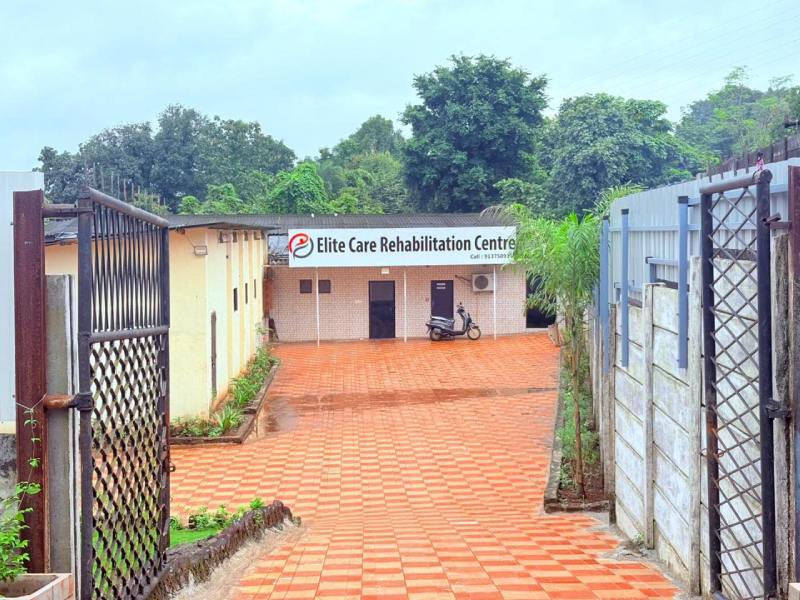
Drug and alcohol addiction is one of the most misunderstood health conditions in India today. Many people still believe that a person who cannot stop drinking or using drugs simply lacks willpower. This belief causes shame, delays treatment and puts lives at risk. The reality, backed by decades of medical research, is very different.
At its core, drug and alcohol addiction changes how the brain works. Repeated exposure to substances alters the brain’s reward system. Over time, a person needs more of a substance to feel the same effect. What starts as occasional use can quietly shift into dependence, and eventually into a pattern that the person struggles to control, even when they can see the damage it is causing.
Understanding drug and alcohol addiction as a medical condition matters for one simple reason: it changes how we respond. When we treat addiction like a disease rather than a personal failing, we open the door to proper diagnosis, evidence-based treatment and long-term recovery. We also begin to remove the stigma that keeps so many people in India from asking for help.
What Happens in the Brain During Addiction
The brain has a natural reward circuit that releases chemicals like dopamine when we do something enjoyable, eating a good meal, spending time with family, or exercising. Alcohol and drugs flood this circuit with far more dopamine than any natural activity can produce. Over time, the brain adapts. It produces less dopamine on its own and becomes less sensitive to it. This is why a person with addiction often feels flat, anxious or irritable when they are not using a substance.
The prefrontal cortex, the brain region responsible for decision-making and impulse control, is also affected. This explains why someone may genuinely want to stop but find it extremely difficult. It is not about being weak. The substance has rewired the brain.
Why Stigma Makes Things Worse
In Indian families and communities, addiction often carries deep social shame. Families may try to manage the problem quietly at home rather than seek professional help. The person struggling with substance use may hide their condition for years, afraid of judgement from relatives, colleagues or neighbours.
This stigma has real consequences. It delays treatment, increases the risk of medical emergencies from unsupervised withdrawal, and isolates the very people who need support the most. Recognising addiction as a health condition is the first step towards changing this pattern.
Treatment Works, When It Is Evidence-Based
Modern addiction treatment combines medical detox under professional supervision with therapies like cognitive behavioural therapy (CBT), group counselling and family sessions. A structured programme addresses both the physical dependence and the emotional or psychological factors that drive substance use.
Recovery does not happen overnight. It is a process that requires patience, professional guidance and ongoing support. But with the right help, people do recover. They rebuild relationships, return to work and lead meaningful lives.
Frequently Asked Questions
Is addiction really a disease, or is it just a bad habit?
Addiction is classified as a chronic brain disorder by the World Health Organisation. It involves measurable changes in brain chemistry and function that go well beyond habit.
Can someone recover from addiction without professional treatment?
While some people manage mild substance use issues on their own, moderate to severe addiction usually requires professional support. Medical detox and structured therapy significantly improve outcomes.
Why do some people become addicted while others do not?
Several factors play a role, including genetics, mental health conditions, early exposure to substances, stress levels and social environment. No single factor determines who will develop addiction.
Is it safe to stop drinking or using drugs suddenly at home?
Stopping abruptly can be dangerous, especially with alcohol or certain drugs. Severe withdrawal symptoms can include seizures and other life-threatening complications. Always consult a doctor before attempting to quit.
Conclusion
Drug and alcohol addiction is a treatable health condition, not a sign of moral failure. The sooner we accept this, the sooner people can access the help they need without fear or shame. If you or someone you know is struggling, consider speaking with a qualified mental health professional or a registered de-addiction centre in your area.
Featured Image Source: Featured Image Source: https://elitefoundation.co.in/wp-content/uploads/2025/09/IMG-20250907-WA0012.jpg