Most people do not spend much time thinking about their roof until the exact moment water starts coming through it. Usually, during a storm. Sometimes, at two in the morning, with wind pushing rain sideways hard enough that the leak suddenly becomes impossible to ignore. At that point, the priority shifts quickly from permanent repairs to simply preventing the situation from getting worse before the damage spreads to ceilings, insulation, drywall, flooring, and electrical systems.
That immediate response phase is where professional emergency roofing services actually matter most. The first few hours after storm damage often determine how expensive the situation ultimately becomes. A missing section of shingles or compromised flashing might not look catastrophic from the outside. Still, water intrusion often moves quietly through a structure before homeowners fully realize what is happening. Magnum Home Services LLC handles these emergencies throughout Towson and Baltimore County by focusing first on containment, stabilization, and preventing secondary interior damage before larger restoration work even begins.
The same containment approach applies across residential buildings and many types of commercial roofing services as well. Flat roofing systems on schools, churches, storage facilities, and retail properties face a different set of vulnerabilities than pitched residential roofs. Still, the logic behind emergency response remains largely the same. The goal is not cosmetic perfection on day one. It is protecting the structure long enough to prevent escalating damage while a proper long-term repair plan gets organized.
Temporary Tarping Is More Technical Than Most People Realize
Roof tarping often looks simple from the street. Blue tarp over damaged section. Problem solved. In reality, improperly installed tarps fail surprisingly often once another round of wind or rain hits the property.
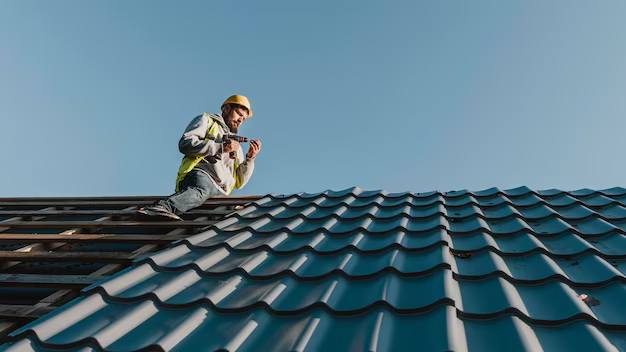
Professional emergency crews usually secure tarps well beyond the visibly damaged area because storm damage rarely stops exactly where shingles went missing. Wind-driven rain often gets underneath surrounding materials that still appear intact from ground level. Anchoring methods matter too. Poor fastening creates pressure points that either tear the tarp itself or further loosen surrounding roofing material.
This is one of those situations where quick DIY fixes can create a larger repair scope afterward. A poorly secured tarp that comes loose during another storm can pull additional shingles, flashing, or fascia apart as it comes off the roof.
Water Intrusion Moves Faster Than Expected
Many homeowners expect roof leaks to occur directly beneath the damaged section. That would definitely make things easier, but roofs rarely behave that neatly once water enters the system.
Water follows framing, decking seams, insulation paths, and gravity in ways that are not always obvious immediately. A ceiling stain showing up in one room may actually trace back several feet to a roof penetration or flashing failure elsewhere. By the time visible staining appears indoors, moisture has often already reached insulation and structural materials hidden behind walls or ceilings.
That is part of why emergency response teams spend time inspecting attics, decking conditions, ventilation paths, and drainage systems instead of just patching the most obvious exterior damage and leaving. Containment is partly about stopping active leaks, but it is also about identifying where moisture may continue spreading afterward.
Wind Damage Usually Creates Multiple Failure Points
Strong storms rarely damage only one isolated section of roofing. Wind uplift tends to weaken surrounding materials, especially on older roofing systems where seal integrity has already begun to deteriorate from years of temperature cycling.
Shingles lifted even slightly can break adhesive seals underneath without fully detaching right away. Flashing around chimneys, vents, skylights, and valleys also becomes vulnerable once high winds begin forcing water sideways underneath roofing materials. Sometimes the roof still looks mostly intact from the ground, while multiple weak points have already developed throughout the system.
This is why thorough post-storm inspections matter so much after emergency stabilization is completed. The obvious damage usually gets attention first, but secondary vulnerabilities are often what create ongoing leak problems months later if they are missed during the assessment stage.
Flat Roof Drainage Failures Create Their Own Problems
Flat roofing systems introduce a completely different category of emergency issues. Water pooling becomes the main concern here, especially after severe storms dump large volumes of rain faster than drainage systems can handle.
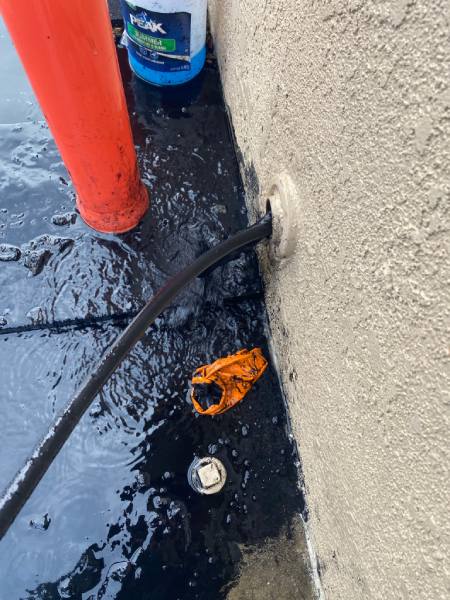
Clogged drains, membrane punctures, seam separations, and ponding water all place additional stress on flat roofing materials. Once water sits on a roof for extended periods, the risk of leaks and structural deterioration increases quickly. Commercial buildings, especially, cannot afford prolonged exposure to moisture because operations inside the property often continue while repairs are underway overhead.
Temporary containment on flat roofs often involves redirecting drainage, sealing vulnerable seams, and removing standing water before additional rainfall arrives. Waiting too long turns relatively manageable repairs into much larger restoration projects involving insulation replacement and structural drying.
Planning Permanent Repairs After Stabilization
Emergency containment is really the first phase of the roofing process, not the final solution. Once the structure is stabilized and active leaks are controlled, the focus shifts to identifying the full repair scope and determining whether sections can be repaired individually or whether replacement makes more financial sense in the long term.
Older roofs with widespread storm wear sometimes reach a point where repeated repairs are no longer practical. Newer roofing systems with isolated damage often allow for targeted restoration work instead. Material type, roof age, ventilation quality, decking condition, and previous repair history all factor into those decisions.
Storm damage situations tend to feel chaotic in the moment, especially when water is actively entering the home. Having an experienced team that approaches emergency roofing methodically rather than rushing into temporary fixes usually makes the entire recovery process far more manageable. Magnum Home Services LLC handles emergency containment, inspections, repairs, and long-term roofing solutions throughout Towson and surrounding Maryland communities, providing the steady response homeowners need when storms hit unexpectedly.
Featured Image Source: https://img.freepik.com/free-photo/long-shot-man-working-roof_23-2148748777.jpg