9 min 0

What Is a Gulet Yacht Charter in Turkey and How Does It Work?

Picture a wooden sailing boat, broad and graceful, anchored in a bay so clear you can count the pebbles below. No crowds. No schedule but your own. That is a gulet, and chartering one along the Turkish coast is one of the better ways to see this part of the world.

People call it the Blue Cruise. The name has stuck for decades, and for good reason.

A gulet gives you something a hotel never can. Your own floating base, moving from cove to cove, swimming before breakfast, watching the sun drop behind a headland with a drink in hand. The coast unfolds at boat speed, slow and quiet.

Travelers pick gulets for the privacy most of all. Just your group, the crew, and the sea. No strangers, no fixed route, no rush.

If a gulet yacht charter in Turkey is on your mind, the first thing to sort out is who you book through. An owner-led operator like All Private Tours knows the boats, the captains, and the bays in a way a faceless booking site never will. That local knowledge is what turns a nice week on the water into the trip you talk about for years.

Here is how the whole thing actually works.

What Is a Gulet Yacht and What Makes It Unique?

A gulet is a traditional Turkish sailing vessel. Wide, wooden, built by hand in the coastal towns of Bodrum and Marmaris for generations. The design started with sponge divers and cargo runs. Somewhere along the way, someone realized these sturdy boats made wonderful holiday vessels, and the gulet cruise was born.

The look is unmistakable. Polished teak decks, tall masts, a roomy hull that fits cabins below and big open lounging areas above.

Most gulets carry between four and twelve cabins, each with its own bathroom. Up top you get sun beds, a shaded dining area, cushioned spots to sprawl with a book. The back deck usually opens straight onto the water, so swimming is a step away.

How does a gulet differ from other boats? A few ways.

A motor yacht is faster and sleeker, all engine and gloss. A modern sailing yacht is lighter and built for speed under canvas. A gulet sits somewhere warmer than both. It has sails, but most cruising happens under engine, at an easy pace. The charm is the wood, the space, the unhurried feel. You are not racing anywhere. That is rather the point.

It feels less like a machine and more like a small, beautiful house that happens to float.

How Does a Gulet Yacht Charter Work?

Two main ways to book. The choice shapes your whole trip.

A private charter means the entire boat is yours. Your group, no one else. You set the route, the timing, the pace within reason. This is what most families and friend groups go for, and it is where the real magic of a private gulet charter lives.

A cabin charter is the other option. You book one or two cabins on a shared boat, alongside other travelers. Cheaper, more social, less control. Fine for solo travelers or couples who do not mind company.

The booking itself is straightforward. You pick your dates, your boat, and a rough route. A good operator helps shape the itinerary around what you want, whether that is quiet bays or lively harbor towns. Most charters run a week, though shorter three and four day trips exist.

Then there is the crew, which makes or breaks the experience.

A typical gulet comes with a captain, a cook, and a deckhand or two. They handle everything. Sailing the boat, anchoring in the right spots, cooking your meals, keeping the decks clean. The cook is often the quiet hero of the trip, turning out fresh Turkish dishes three times a day from a tiny galley.

Your job? Show up, relax, point at a bay you like. They sort the rest.

Popular Destinations and Routes Along the Turkish Coast

The Turkish Riviera is the classic cruising ground. Sometimes called the Turquoise Coast, and once you see the water you understand why.

Most trips start from Bodrum, Marmaris, Fethiye, or Göcek. From there the routes fan out along a coastline dotted with bays, ruins, and small towns.

A few stops travelers tend to love:

  • Gökova Gulf, with its still water and pine-covered shores, quiet enough that some nights you hear nothing but the boat creaking.
  • Butterfly Valley near Fethiye, a steep green canyon that opens onto a beach you can only really reach by boat.
  • Kekova, where you sail over the outlines of a sunken ancient city, the ruins just below the surface.
  • Cleopatra’s Bay and the dozens of unnamed coves where the captain simply drops anchor because the spot is perfect.

A typical day has a rhythm. Morning swim, breakfast on deck, a few hours cruising to the next bay. Lunch at anchor. An afternoon of swimming, paddling, or a walk ashore to some ruins. Dinner as the light goes gold. Then sleep, with the water lapping the hull.

Some days you barely move. Some you cover real distance. The mix is up to you, mostly.

What Is Included in a Gulet Charter Experience?

Most charters work on a full-board basis. Here is the rough shape of it.

Your cabin and its bathroom. All meals, usually breakfast, lunch, and dinner cooked fresh on board. The crew and their service. Fuel for the standard route, and the basic water toys most boats carry.

On the water you will typically find snorkeling gear, paddleboards, kayaks, sometimes a sea slide or a small dinghy. Enough to keep the days full without trying.

The lounging areas are half the appeal. Sun beds for the morning, shade for the heat of the afternoon, a long table where the whole group eats together. That shared dinner under the stars is the part people remember.

What costs extra varies by boat. Drinks and alcohol are often charged separately. Harbor fees, fuel for long detours, and any special requests usually sit outside the base price. Watch for these when you compare quotes.

The better operators are upfront about all of it. The ones who hide fees until the final invoice tell you what kind of trip you are in for.

How to Choose the Right Gulet Charter for Your Trip

Start with your group. A couple wants a different boat than a family of ten. Size the gulet to the people, with a little room to breathe.

Budget shapes the rest. Luxury gulet rental in Turkey ranges widely. A simple older boat costs a fraction of a brand-new vessel with air conditioning in every cabin, a jacuzzi on deck, and a five-star chef. Both can give you a wonderful week. They just feel different.

Think about your travel style too. Do you want a party boat near the lively towns, or total quiet in empty bays. Be honest about which, because the route follows from it.

A few questions worth asking before you book:

How old is the boat, and when was it last refitted. How many crew, and do they speak English. What exactly is included, and what is not. Is the itinerary flexible once you are aboard.

The honest operators answer plainly. The ones who get vague are answering too, in their own way.

Why a Gulet Stays Worth It

A Turkish gulet holiday packs comfort, privacy, and real exploration into one slow, beautiful week. You wake somewhere new most mornings. You swim in water no resort beach can match. And you do it all without crowds, fixed schedules, or the grind of moving hotels every few days.

The gulet yacht experience has drawn travelers to this coast for decades, and the appeal has not faded one bit. There is just nothing quite like it.

Do not leave a trip this rare to guesswork or whatever site ranks first in an ad. Reach out, share the kind of sailing holiday you picture, and ask for a tailor-made gulet itinerary built around your group. A short conversation now saves you from a boat that does not fit. Tell them what you want, and let the right team match you to the perfect gulet.

FAQs

What is a gulet yacht charter?

It is renting a traditional Turkish wooden sailing boat, with crew, for a coastal holiday. You cruise from bay to bay, swimming and exploring, while the captain and cook handle everything. You can book the whole boat privately or just a cabin on a shared one.

How much does it cost to charter a gulet in Turkey?

It depends heavily on the boat, the season, and whether you go private or cabin. Older boats run far cheaper than new luxury gulets with full amenities. Peak summer weeks cost more, so shoulder season often gives better value for a similar experience.

What is included in a gulet charter package?

Usually your cabin, all meals cooked on board, the crew, fuel for the standard route, and basic water toys like snorkels and paddleboards. Drinks, harbor fees, and special requests often cost extra, so confirm the details in writing first.

Are gulet charters suitable for families and groups?

Very much so. A private charter suits families and friend groups well, since you get the whole boat, flexible meal times, and bays safe for swimming. Crews are used to kids and older travelers, and the pace bends to suit everyone.

What is the best time of year for a gulet cruise in Turkey?

Late spring through early autumn, roughly May to October. July and August bring the hottest weather and the biggest crowds. Many travelers prefer June or September for warm water, calmer bays, and a little more room to breathe.


Runs about 1,400 words. Branded anchor placed once in the second body paragraph as an inline example, with all six keywords worked in naturally across the piece.

Want to be notified when Claude responds?

8 min 0

What Industries Benefit Most From Supply Chain Visibility Software?

Supply chains used to run on trust and a phone call. You shipped goods, you waited, and you found out how it went when they arrived. That worked when chains were short and local. It does not work now, when a single product might cross four countries and six handlers before it reaches a shelf, and a customer expects to know where their order is to the hour.

That shift is why supply chain visibility software has moved from a nice extra to a working necessity. At its core it is a platform that tracks goods, assets, and shipments across the chain in real time and pulls the data into one view you can act on. The thing is, not every business gets the same value from it. Some industries gain a little. A few gain so much that going without starts to look reckless. This piece runs through the sectors that benefit most, and why the payoff lands harder in some than others.

Manufacturing: Improving Production and Inventory Control

Manufacturing lives and dies by timing. A line that stops because one component did not arrive costs money by the minute, and the cost does not stop at the idle machine. It ripples into late orders, penalty clauses, and customers who start shopping around.

Visibility software gives a plant manager something they rarely had before. A live view of inbound materials. You can see that a critical part is stuck at a port three days out, and you can react now, not when the line grinds to a halt.

That early warning changes how you plan. Instead of holding huge buffer stocks just in case, you can run leaner, because you trust you will see trouble coming. Or at least, that is the promise. In practice plenty of manufacturers still keep a cushion, and I would not blame them.

The inventory side matters just as much.

  • Knowing what raw materials you actually hold, not what the system claims
  • Spotting a supplier who is slipping before it becomes a shortage
  • Matching production schedules to real material availability
  • Cutting the guesswork that leads to overordering

Get that right and the whole plant runs steadier. Production stops being a series of small fires and starts being something you can actually forecast.

Retail and E-Commerce: Meeting Customer Expectations

Retail is where the customer feels visibility, or its absence, most directly. A shopper who orders online wants a tracking number that works and a delivery date that holds. Miss either and they remember.

The challenge is inventory scattered everywhere. Stock sits in warehouses, in stores, in transit, in fulfilment centres. Without one connected view, a retailer can sell something it cannot actually ship, or sit on stock in the wrong location while a sale slips away.

Real-time supply chain tracking ties those pools together. You see what you have, where it is, and what you can promise. That feeds straight into fulfilment, so an order routes from the location that gets it to the customer fastest.

And then there is the bit customers actually see. Accurate shipment updates. The difference between out for delivery and a vague within five days is the difference between a calm customer and a support ticket. People forgive a lot if you tell them the truth about where their parcel is. They forgive very little when you go silent.

Transportation and Logistics: Optimising Asset and Shipment Visibility

For carriers and logistics providers, visibility is not a feature of the business. It pretty much is the business. If you move goods for a living, knowing where those goods are is the service you sell.

Real-time tracking of vehicles, containers, and freight is the foundation. A dispatcher who can see the whole fleet on one map can answer customer questions instantly, spot a truck running late, and shift work around before a problem spreads.

Route planning gets sharper too. Patterns surface over time. A lane that always runs slow. A depot where trailers sit far longer than the paperwork suggests. Strong chain of custody records also settle disputes fast, because you can show exactly who held a load and when, instead of arguing over it later.

The cost side is where it pays for itself. Fewer empty miles. Fewer lost or stolen assets. Less time spent chasing shipments that should have been visible all along. Logistics runs on thin margins, and visibility is one of the few levers that touches service and cost at the same time.

Healthcare and Pharmaceuticals: Ensuring Compliance and Product Integrity

Here the stakes climb. A delayed pallet of consumer goods is an annoyance. A delayed or spoiled batch of medicine can be a patient safety issue and a regulatory breach rolled into one.

Pharma shipments are often high-value, temperature-sensitive, and tightly regulated. Visibility software monitors them on all three fronts, tracking location, condition, and the conditions they passed through. A temperature excursion gets flagged the moment it happens, not when the batch is rejected on arrival.

Compliance is the other driver. Regulators want proof, and lot-level traceability lets a company show exactly where a specific batch went and what it experienced along the way. When a recall hits, that detail decides whether you pull one lot or panic-pull everything.

For time-sensitive and cold chain shipments, the software is less a convenience than a requirement. The cost of getting it wrong, in fines, in waste, in harm, dwarfs the cost of the platform.

Food and Beverage: Strengthening Traceability and Quality Control

Food shares a lot with pharma, but the volumes are bigger and the margins thinner, which changes the calculation. Freshness is perishable in the most literal sense, and a chain that loses sight of a shipment loses product.

Tracking from source to consumer does a few things at once.

  • It protects freshness, by flagging delays and temperature slips before goods spoil
  • It supports safety, by showing the conditions a product travelled through
  • It makes recalls precise, so a contamination scare pulls the affected lots and not the entire range

That last point is the one that saves businesses. A recall without traceability is a blunt instrument. You bin everything, you take the loss, you damage the brand. With good visibility you trace the problem to a source and contain it.

Transparency also sells now. Buyers, retailers, and shoppers increasingly want to know where food came from. The data that runs your operation can double as proof for the people buying from you.

Choosing Visibility That Fits Your Sector

Across all these industries the pattern holds, even if the payoff differs. Manufacturing protects its production lines. Retail protects its customer promise. Logistics protects its margins. Healthcare and food protect lives and licences. Different fears, same fix, and the value tends to scale with how much a blind spot costs you.

The question worth sitting with is simple. Where does losing sight of your goods hurt you most? For some that is a stalled line, for others a spoiled batch or a furious customer. Find that point, then look for a visibility solution built for it rather than a generic platform that does a bit of everything. The right tool follows the risk, not the brochure.

FAQs

What is supply chain visibility software?

It is a platform that tracks goods, assets, and shipments across the supply chain in real time and brings the data into one view. It pulls information from carriers, suppliers, warehouses, and tracking devices so you can see where things are, what condition they are in, and where the chain is slowing down.

Which industry benefits the most from supply chain visibility?

There is no single winner, since it depends on what a blind spot costs you. Healthcare and pharmaceuticals arguably gain the most because lives and compliance are at stake, but logistics, food, retail, and manufacturing all see heavy returns where visibility protects their core business.

How does visibility software improve logistics operations?

It gives dispatchers live tracking of vehicles, containers, and freight on one screen, which sharpens route planning, speeds up responses to delays, and cuts losses. Over time the data exposes slow lanes and idle assets, so operations run leaner and cheaper.

Why is supply chain visibility important in healthcare and pharmaceuticals?

Because the products are high-value, temperature-sensitive, and heavily regulated. The software monitors condition and location in real time, flags temperature breaches immediately, and provides the batch-level traceability regulators require, which also makes any recall faster and far more precise.

Can small businesses benefit from supply chain visibility software?

Yes, though they should scale the tool to their needs rather than buying enterprise features they will never use. Even basic real-time tracking helps a small operation make accurate delivery promises, cut losses, and compete with larger rivals on service.


That comes to roughly 1,300 words. Want me to swap either technical term, adjust keyword frequency, or tighten any section?

8 min 0

Which Hair Tie Materials Are Best for Healthy Hair?

The material your hair tie is made of does more to your hair than the style you twist it into. A smooth fabric glides out clean. A rough band drags and leaves you picking broken strands off your shoulder. Most people choose a hair tie by color or by whatever’s cheapest at the register. The material decides whether your hair comes out healthy or a little worse for wear.

Breakage, frizz, the tangles right where the tie sat. Usually the wrong material, not bad luck.

Friction and tension are the two forces doing the damage, and material controls both of them. A hard plastic-coated elastic rubs against the cuticle and squeezes one spot tight for hours. Softer materials skip most of that. Take the Hair Halo™ from Ciao Bella as an example. The pineapple fiber blend gives a smooth, soft surface, and the natural rubber and cotton core stretches to hold without the bite of a synthetic band. The best hair tie materials all share that one idea. Gentle on the surface, easy on the tension. Here’s how the common ones compare.

Why hair tie material matters for hair health

Two forces decide how much harm a tie does. Friction and tension.

Friction is the rub. Every rough surface that drags across your hair lifts the cuticle, the protective outer layer, and over time that’s what frays into split ends and breakage near the surface. Tension is the squeeze. A tie cranked too tight pulls on the same patch of scalp and roots day after day.

Material affects both at once. A smooth fabric cuts the friction. A stretchy, soft build eases the tension. A rough rubber band fails on both counts.

Texture changes how this plays out. Fine hair breaks under friction faster because each strand is so thin. Curly and textured hair snags more on rough surfaces, so a smooth tie helps it the most. Thick hair feels the tension side harder, since heavier hair needs a firmer hold.

Two things matter most when you weigh hair ties for hair health. How smooth the surface is, and how much gentle stretch the tie has. A metal clasp is the third strike, since it adds a hard edge that catches no matter how soft the rest feels.

Satin and silk ties for gentle everyday protection

Satin and silk come up constantly in hair care talk, and for a fair reason.

Both have slick, smooth surfaces, so hair slides over them instead of catching. Less friction means less frizz and fewer tangles, plus a softer crease, which is why people swear by them for sleep especially. A silk scrunchie overnight tends to leave your hair smoother by morning than a tight elastic would.

On satin vs silk hair ties, the difference is smaller than the marketing makes it sound. Silk is a natural protein fiber, soft and breathable, and usually the pricier of the two. Satin is a weave, not a fiber, and it’s often made from polyester. That means a lot of satin ties are technically plastic under the smooth finish. For your hair, both feel gentle. For everything else, they aren’t the same thing at all.

Their best use is light. Daily wear, loose styles, and overnight protection where you want as little friction as possible. The trade-off is grip. Slick surfaces can slide out during a workout, so silk and satin aren’t always the pick for a high pony.

Cotton and fabric-covered ties for comfort

Cotton sits in a comfortable middle ground. Not as slick as silk, but soft, breathable, and a lot kinder than bare elastic.

Fabric-covered ties wrap a stretchy core in soft material, so your hair only touches the fabric and never the rough band underneath. That alone removes most of the snag. Compare it to an exposed rubber band, the kind that grabs and tears strands every time you twist it out. There’s really no contest there.

Cotton works across most hair types. Fine hair gets a soft hold, and thick or curly hair gets a wrap that won’t cut in or rough up the curl. For everyday ponytails, buns, and the half-up you redo five times a day, a fabric-covered tie is hard to beat on comfort.

The catch is hold and lifespan. Pure cotton has almost no stretch on its own, so it’s usually blended with a core that does the stretching. A cheap version with a weak core goes slack fast.

Natural rubber and plastic-free options

Here’s where good hold and a lighter footprint finally line up in one tie.

Natural rubber comes from rubber trees instead of an oil refinery. It gives real stretch and snap-back, the bounce that holds a ponytail all day without going limp. Pair it with a soft fabric like cotton or pineapple fiber and you get hold and gentleness in the same band.

The plastic-free angle is the other draw. Standard elastics are built on polyester, nylon, or spandex, all plastic, and they shed tiny fibers as they wear down. A plastic-free tie skips that entirely. The Hair Halo, for one, runs a pineapple fiber blend over a natural rubber and cotton core, with no virgin plastic in it. Each six-pack of plastic-free ties is estimated to keep roughly 30g of plastic out of the environment. These tend to be the healthy hair ties people land on once they’ve cycled through all the rough, snapping stuff.

A few things to check before you switch. Look for a real plastic-free claim, not just “recycled,” since recycled polyester is still plastic. Make sure the core is natural rubber or cotton rather than a hidden synthetic. And weigh how long it lasts, because one tie that survives a year does more good than ten that don’t.

Materials to avoid and common hair tie mistakes

Some materials cause more trouble than they’re worth, full stop.

  • Exposed rubber bands. The office-supply kind tear hair on contact. Keep them away from anything you want to grow out.
  • Metal-clasp elastics. That little metal crimp catches and snaps strands every single time it passes through your hair.
  • Cheap plastic-coated elastics. They feel fine when new, then turn rough and stiff as the coating wears off.
  • Stretched-out ties. A tie past its prime grips by squeezing harder, which means more tension and more breakage, not less.

How do you know a tie is quietly hurting your hair? Watch for short broken pieces near the surface, or a sore patch on your scalp after you take a style down.

A few habits help as much as the material does. Loosen your everyday styles. Move the tie around so one spot doesn’t take all the strain. And retire ties the moment they lose their stretch. Hair ties that prevent breakage only work if you replace the ones that don’t.

Pick the material, not the packaging

No single material wins for everyone. Silk and satin protect best against friction, so they shine overnight and on loose days. Cotton and fabric-covered ties give soft, reliable everyday comfort. Natural rubber and plastic-free blends bring stretch and hold without the plastic shedding. The rough stuff, bare rubber and metal clasps, earns its spot in the trash.

Choose based on your hair type, how you wear it, and what your scalp can handle by day’s end. Explore the best hair accessories for healthy hair and give your strands the break they’ve been asking for.

FAQs

What is the healthiest material for a hair tie?

A smooth, soft fabric over a gentle stretchy core. Silk, satin, and soft plant-fiber blends all cut the friction that causes breakage. The main thing is a smooth surface and no metal clasp, whatever the exact fabric turns out to be.

Are silk hair ties better than satin hair ties?

For your hair, they perform similarly, since both are smooth and low-friction. Silk is a natural fiber and usually softer and more expensive. Satin is a weave that’s often synthetic, so if plastic-free matters to you, check what the satin is actually made from before you buy.

Do cotton hair ties cause less damage than regular elastics?

Usually yes. A fabric-covered cotton tie keeps the rough band off your hair, so there’s far less snagging. Bare or plastic-coated elastics drag on the cuticle, and that’s where a lot of surface breakage starts.

What hair tie materials should I avoid?

Exposed rubber bands, metal-clasp elastics, and stiff plastic-coated ties. They catch and tear strands, and the metal crimp is the worst of the bunch. Stretched-out ties belong on the list too, since they squeeze harder to hold.

Are natural rubber hair ties good for everyday use?

Yes. Natural rubber gives strong stretch and snap-back, so it holds a style all day without going slack. Paired with a soft fabric cover, it stays gentle on hair and skips the plastic of a synthetic elastic.

9 min 0

Where should handicap porta potties be placed for maximum accessibility?

Providing an accessible unit is only half the job. Where you put it decides whether it actually works for the people who need it. A unit parked at the bottom of a muddy slope, or tucked behind a row of vendor tents, might as well not be there for a guest using a wheelchair or a walker. They notice. And so does everyone watching them struggle to reach it.

Renting a handicap porta potty is the straightforward part. Plenty of local providers, like K & T Port-A-John Rentals, can deliver one to your site. The harder question, and the one that gets skipped, is exactly where it goes once it arrives. Placement is what separates a unit that meets accessibility needs from one that only looks the part on the rental invoice.

Good placement comes down to a few things. The ground it sits on, how close it is to the action, whether the path to it stays clear, and how it connects to parking and entrances. Get those right and most accessibility problems disappear before the event even starts.

Place units on a stable, level, and accessible surface

Start with the ground. It matters more than almost anything else.

An accessible unit needs firm, level footing. Wheelchair casters and walker legs sink into soft grass and gravel, and a slope that feels minor on foot becomes a real barrier on wheels. If the surface shifts or tilts, transferring in and out of the unit gets unsafe fast.

Look for ground that is firm and slip-resistant. Packed gravel, asphalt, concrete, or a level patch of compacted earth all work. Avoid:

  • Steep slopes or any noticeable incline.
  • Soft, uneven grass that gives way under weight.
  • Low spots where water pools and turns to mud after rain.
  • Loose gravel that shifts under a wheel.

If the only available spot is grass, a portable platform or ground mat under and around the unit makes a big difference. It gives a stable surface to roll onto and a flat base for the unit itself. Worth asking your provider about, since not every planner thinks of it until the wheels are already stuck.

One more thing people forget. The area right outside the door needs to be level too, not just the pad under the unit. A guest has to approach, open the door, and turn to enter, and all of that needs solid ground. A unit sitting perfectly level on its pad does no good if the approach to it is a muddy rut.

Position restrooms near main activity areas without creating obstacles

Distance is the next thing to get right. An accessible unit placed far from where people gather defeats its own purpose.

Think about the route a guest with mobility challenges has to travel. Another guest might shrug off a long walk to the restrooms. For someone using a wheelchair or moving slowly, that same stretch across a field is tiring, sometimes painful, and occasionally enough that they skip the activities rather than make the trip twice.

Keep accessible units within easy reach of the main areas. Near the seating, the food, the stage, wherever people spend their time. But not so close that they sit in a high-traffic choke point where crowds block the path.

There is a balance here that takes a little thought:

  • Close enough that reaching the unit is not a project.
  • Far enough to give privacy and avoid the crush of foot traffic.
  • Positioned so the path stays clear even when the crowd swells.

A quiet corner that is still easy to roll to often beats a central spot that gets mobbed. You want the unit findable and reachable, not buried and not stuck in the middle of the rush.

Ensure clear ADA-compliant access routes

A well-placed unit is useless if the path to it is blocked. The route matters as much as the destination.

Accessible design guidance generally calls for a clear path of at least 36 inches wide, enough for a wheelchair to pass without scraping. For turns and the space in front of the door, more room helps, closer to 60 inches so a chair can turn around. Treat these as general guidance rather than fixed law, since requirements vary by region and event type.

Whatever the width, the path has to stay clear. That means walking the route yourself and looking for the things that trip people up:

  • Curbs and steps with no ramp.
  • Extension cords and hoses running across the path.
  • Tent stakes, sign bases, and equipment crowding the route.
  • Gravel or grass edges that catch a wheel.

Cords are the sneaky one. They appear after setup, once vendors and crews plug things in, and a cord taped across an accessible path is a tripping and rolling hazard nobody planned for. Run them around the edge, or cover them with proper cable ramps.

The path also needs to stay open for the whole event, not just at the start. Crowds drift, vendors expand their footprint, someone parks a cart in the wrong spot. Assign somebody to check the accessible routes during the event, because a path that was clear at 10 a.m. is often cluttered by mid-afternoon.

Consider parking, drop-off zones, and other accessibility features

Accessibility does not start at the restroom. It starts in the parking lot.

If your event has accessible parking, the accessible units should sit reasonably near it, or near the drop-off zone where someone might be let out of a vehicle. A guest who parks in an accessible spot and then faces a long, rough trek to the nearest accessible washroom is being set up to struggle.

Tie the placement into the rest of your accessibility setup:

  • Near accessible parking and passenger drop-off points.
  • Along the same routes as ramps and accessible entrances.
  • Within reach of accessible seating areas.

The goal is a connected experience. Parking, entrance, seating, restroom, all linked by paths a wheelchair can follow without a detour or a dead end. When these pieces are scattered around a site with no thought to how they connect, each one might be fine on its own while the whole thing fails the person trying to use it.

Common placement mistakes that reduce accessibility

Most accessibility failures are not deliberate. They come from a handful of oversights that are easy to make and easy to prevent.

Blocking the unit. Fencing, barricades, vendor booths, and equipment have a way of creeping in around restrooms. A unit that was reachable on the site plan ends up walled off by the time the gates open.

Placing it too far. Putting accessible units off in a corner while standard units sit close to the action sends a clear message to the guests who need them. It also makes the trip hard enough that some will avoid it.

Ignoring changing conditions. Ground that was firm on a dry morning turns to mud after rain. Paths that were thin at opening clog up by afternoon. Placement that ignores how a site shifts through the day tends to fail right when it matters most.

Forgetting signage. An accessible unit nobody can find is barely better than no unit at all. Clear, visible signs pointing the way, at a height people can read, make the difference between a guest reaching it easily and a guest giving up.

Plan accessibility before the trucks arrive

Good placement is not complicated, but it does take thinking ahead. Firm and level ground, a spot close to the action, a clear path that stays clear, and a sensible link to parking and entrances. Those four things cover most of what makes an accessible unit actually accessible.

The mistake is treating placement as an afterthought, something to sort out when the delivery truck shows up. By then the good spots are taken and the easy fixes are gone.

Walk your site early, picture the route a guest with mobility challenges would take, and plan from there. If you are unsure, ask your portable restroom provider where the accessible units should go. They set these up at events all the time and can spot problems you might miss.

Questions people ask about accessible placement

How close should a handicap porta potty be to event activities?

Close enough that reaching it is not a hardship. There is no single magic number, but keeping accessible units within easy rolling distance of seating, food, and the main areas is the goal. If a guest using a wheelchair would find the trip tiring or have to cross rough ground, the unit is too far.

Can ADA porta potties be placed on grass or gravel?

They can, but only with care. Soft grass and loose gravel make rolling and transferring difficult and can be unsafe. A portable platform or ground mat under and around the unit creates a firm, level surface and solves most of the problem. Packed gravel or a solid pad is better when you can manage it.

Do handicap-accessible units require a special access path?

They need a clear, wide, level path free of curbs, steps, cords, and clutter. General guidance points to a path around 36 inches wide, with more room near the door for turning. The path also has to stay clear for the whole event, not just at setup.

How many handicap porta potties are needed for an event?

A common guideline is at least one accessible unit for every 20 standard units, and a minimum of one for any public event. Larger crowds and events spread over a wide area may need more, so accessible units are not all clustered in one corner. Check with your provider for your specific setup.

What are the most common ADA porta potty placement mistakes?

Blocking units with fencing or equipment, placing them too far from the action, ignoring ground that turns muddy or paths that get crowded, and skipping clear signage. Each one quietly undercuts accessibility, and all of them are easy to avoid with a little planning.

8 min 0

Are Egypt Travel Deals Suitable for Families, Couples, and Solo Travelers?

Egypt is one of the rare places that works for almost anyone. A family with restless kids. A couple chasing something romantic. A solo traveler who just wants to see the pyramids without overthinking it. The country has room for all of them, which is part of why it stays on so many bucket lists.

The real question is whether the deals out there actually fit. Egypt travel deals come in a lot of shapes, built around different budgets, interests, and travel styles. A flexible operator like Egypt Key Tours can shape the same core trip into something that suits a young family one week and a honeymoon the next. The trick is knowing what to look for.

So can one type of package really serve such different travelers? Mostly, yes, if it is built right. What follows breaks down how Egypt vacation packages bend to fit families, couples, and people going it alone, and how to pick the one that matches you.

Why Egypt Appeals to Different Types of Travelers

Few destinations pack in this much variety. In one trip you can stand under the pyramids, drift down the Nile, dive a coral reef, and wander a market older than most countries. That range is the whole point.

For history lovers, it is hard to beat. Temples, tombs, museums, all real and ancient and a little overwhelming in person. For people who want to switch off, the Red Sea coast offers warm water and quiet beaches. You can do both in the same week.

That mix is why Egypt suits so many kinds of travelers:

  • History buffs who want every temple
  • Families looking to blend learning with fun
  • Couples after privacy and a bit of luxury
  • Solo travelers wanting safety and company
  • Beach lovers who just want to relax

Modern packages lean into this flexibility. The same route through Cairo, Luxor, and Aswan can be paced fast or slow, dressed up or kept simple, focused on culture or balanced with rest. That is what makes Egypt feel personal, even when the headline sites are the same for everyone.

Honestly, the variety can be a problem too. With so many options, choosing feels harder than it should. But that is a good problem, and the right deal narrows it down for you.

What Families Can Gain From Egypt Travel Deals

Traveling with kids in a foreign country can be stressful. New food, long drives, the heat, the worry that someone will melt down at the worst moment. A good family deal takes most of that off your plate.

The best family trips to Egypt are built with children in mind. Shorter site visits, so attention does not run out. Guides who make a tomb sound like an adventure, not a lecture. Built-in downtime, a pool, a slower pace.

And the history itself does something to kids. Standing inside a pyramid, seeing a real mummy, riding a camel near Giza. These stick. It is education that does not feel like school, which is rare.

The bundled side helps most:

  • Hotels, transfers, and tours arranged as one
  • Private vehicles, so no crowded buses with tired kids
  • Guides and drivers who handle the logistics you would dread

That convenience is the real gift. You get to be present with your family instead of stuck managing tickets, maps, and taxi haggling. For parents, that alone can be worth the price.

How Couples Can Enjoy Romantic and Luxury Experiences

Egypt has a quieter, romantic side that the guidebooks undersell. A private felucca at sunset. Dinner with the pyramids lit up behind you. A slow morning on a cruise deck as the Nile slides past. These moments land differently when it is just the two of you.

Egypt tours for couples often build around privacy. A private guide instead of a crowd. A luxury cruise cabin instead of a busy hotel. Boutique stays with character, not chain rooms that could be anywhere.

The luxury options run deep if you want them. Five-star Nile boats. Spa days on the Red Sea. Hot-air balloons over Luxor at dawn, which sounds like a cliché until you actually do it.

What makes these work for couples:

  • Private touring, paced to suit you
  • Romantic add-ons for honeymoons and anniversaries
  • Culture by day, quiet by night

And the good operators customize freely. Mention an anniversary and the right one arranges flowers, a private dinner, a small surprise. Those touches turn a nice trip into one you both remember for a long time.

Why Solo Travelers Benefit From Organized Travel Packages

Going alone is freeing, but Egypt can feel daunting solo. The language, the hassle at sites, the constant small decisions. An organized package quietly removes most of that friction.

For solo travel Egypt, the biggest draw is support. Someone meets you at the airport. A guide handles the sites and the touts. There is a local contact if anything goes sideways. You keep the freedom without the stress.

There is a social side too. Small-group tours put you with other travelers, which helps if you would rather not eat every dinner alone. You can be as social or as private as you like.

Safety is the quiet reason many solo travelers book a package here. Not because Egypt is unsafe, but because moving through an unfamiliar country with someone watching your back simply feels better, especially the first time. A package also opens doors that solo planning often cannot, at least not without a lot of effort and a few mistakes along the way.

Choosing the Right Egypt Travel Deal for Your Travel Style

Not every deal is a good deal. The cheapest one often leaves out the parts that matter, and you only find out once you are there. So compare carefully before you commit.

Start with the inclusions. What is actually covered? Flights, transfers, entry fees, meals, guiding. Two packages at the same price can differ a lot once you read the fine print.

Then think about fit:

  • Does the pace match your energy and your group?
  • Is there flexibility to adjust if plans change?
  • Are the hotels and the route right for you, not just cheap?

A few questions are worth asking before you book. What is not included? How big is the group? Can you customize? An honest operator answers straight. A vague one is showing you how the trip will go.

Egypt holiday packages reward a little homework. The right one matches your style instead of forcing you into someone else’s idea of a good time. That matching is the whole difference between a trip that fits and one that almost does.

Finding the Trip That Fits You

The short answer is yes. Egypt travel deals can work for families, couples, and solo travelers alike, because the best ones bend to fit rather than forcing everyone into the same mold.

The catch is choosing well. A family needs different things than a honeymoon, and a solo trip needs different things again. A package that ignores that will disappoint someone.

So compare your options before you book. Read what is included, ask the awkward questions, and match the itinerary to how you actually want to travel. The right deal is out there for nearly every kind of traveler. The only real mistake is booking the first one you see without checking whether it fits you.

FAQs

Are Egypt travel packages suitable for families with children?

Yes. Many packages are built for families, with shorter site visits, private vehicles, kid-friendly guides, and built-in downtime. The bundled logistics also spare parents the stress of arranging everything alone in an unfamiliar country.

What types of Egypt tours are best for couples?

Private tours, luxury Nile cruises, and boutique stays suit couples well. Look for packages with romantic add-ons for honeymoons or anniversaries, plus a balance of cultural touring by day and quiet, private time by night.

Is Egypt a good destination for solo travelers?

For many, yes. An organized package offers support, safety, and local contacts, which removes much of the stress of going alone. Small-group tours also make it easy to meet other travelers without giving up your independence.

Can travel deals be customized for different traveler types?

Yes, the good operators customize freely. The same core route can be paced and styled for a family, a couple, or a solo traveler, with different hotels, activities, and levels of guiding to match.

What should I consider when choosing an Egypt travel package?

Compare the inclusions, the flexibility, the group size, and how well the route fits your interests and budget. Ask what is not included before booking, and choose the deal that matches your travel style rather than just the lowest price

7 min 0

Can a TM44 Inspection Help Reduce Energy Bills for Sheffield Businesses?

 A TM44 inspection Sheffield helps commercial property owners spot inefficiencies in their air conditioning systems, follow practical recommendations, and turn those findings into real reductions on quarterly energy bills across the city.


Energy prices across South Yorkshire have climbed sharply over the last few years, and many business owners in the city now spend more on cooling and ventilation than they ever planned for. A TM44 inspection Sheffield offers a clear way to find out where that money actually goes inside the building each month.

The inspection is a legal requirement for most commercial air conditioning systems above 12kW, yet plenty of owners still treat it as a tick-box exercise rather than the practical tool it can be. Working with a qualified assessor such as [Branded Anchor Text] turns the process into something more useful, giving the building owner a written report with specific actions that can lower running costs over the coming year.

What Is a TM44 Inspection and How Does It Work?

The basic process explained: A TM44 inspection is a formal assessment of a commercial air conditioning system carried out by an accredited energy assessor. The assessor visits the site, reviews the equipment, checks documentation, and lodges a report on the central register. It usually takes a few hours for a small site and longer for larger ones with many separate units across multiple floors.

Systems and checks covered: Any cooling system with an effective rated output of 12kW or more falls under the rules. Assessors look at how the air conditioning system is sized, how it is controlled, how well it is maintained, and how it is actually used day to day on the premises. They also flag any obvious faults that push energy use higher than it really needs to be.

How TM44 Inspections Identify Energy Inefficiencies

Common faults found on site: Many Sheffield businesses run their cooling units for far longer than necessary, often outside trading hours. Assessors regularly find blocked filters, broken sensors, leaking refrigerant pipes, and thermostats fighting each other across the same open-plan office. None of these problems look dramatic on their own, yet together they quietly drain hundreds of pounds from the budget each quarter without anyone really noticing.

Why the small things add up: A dirty coil or a slightly miscalibrated control can push electricity use up by a surprising amount. The trouble is, you cannot see it on the bill directly. The report from a proper TM44 inspection Sheffield translates these hidden faults into plain language, with figures and timeframes that make it far easier to argue for a maintenance budget at the next board meeting or planning session.

Ways a TM44 Inspection Can Help Reduce Energy Bills

Practical actions from the report: Recommendations vary by site, but the most common ones tend to repeat across different sectors. Office blocks, retail units, hotels, and care homes all show similar patterns once the assessor finishes the walk-around. The report breaks the actions into short-term, medium-term, and longer-term steps, which helps owners plan spending without trying to do everything in the first month after the visit.

Common cost-saving steps include:

  • Resetting timers and zones to match actual occupancy patterns inside the building
  • Cleaning or replacing filters and coils on a fixed schedule rather than reactively
  • Repairing small refrigerant leaks before they grow into major equipment failures
  • Updating older controls so units stop running when nobody is on site
  • Replacing oversized units that cycle on and off far too often each working day

Stacking the wins: Acting on three or four of these points together produces bigger savings than picking just one. Many Sheffield businesses see a noticeable drop in monthly bills within a single billing cycle, sometimes sooner than they expected from such a straightforward set of changes.

Additional Benefits Beyond Lower Energy Costs

Longer equipment life: Air conditioning units that run smoothly tend to last several years longer than neglected ones. Replacing a full system can cost tens of thousands of pounds for larger sites, so anything that delays that bill is worth taking seriously when budgets are tight across the business as a whole.

Better conditions for staff and customers: A balanced system keeps temperature steady and improves indoor air quality, which matters more than some owners think. Complaints about stuffy rooms or cold corners drop quickly after the recommended adjustments are applied. Staff productivity tends to improve too, though the effect is hard to put a precise figure on at any one site.

Compliance and reputation: Holding a valid certificate avoids the £300 fine per building that the regulator can issue, and it shows tenants, investors, and insurers that the property is run to a proper standard. For Sheffield landlords competing for tenants in a slow market, that kind of paperwork carries weight during lease negotiations and property valuations alike.

Turning TM44 Recommendations Into Long-Term Savings

Sorting actions by payback: Not every recommendation needs doing immediately. Owners get the best results when they rank actions by cost, expected saving, and disruption to the business. Low-cost changes like control adjustments and filter swaps usually pay back within months. Bigger upgrades, such as full equipment replacement, often need a longer-term plan and capital approval from finance teams.

Tracking results over time: Comparing energy bills before and after applying the changes shows whether the work is paying off. Some businesses install simple sub-meters on individual circuits to track cooling use directly, which makes the picture much clearer at the end of each quarter. Without that kind of tracking, savings can hide behind seasonal swings in the weather.

Making it routine: Booking the next TM44 inspection Sheffield well before the five-year deadline avoids any last-minute rush. Pairing the inspection with a regular maintenance contract keeps standards consistent and prevents the slow drift back into bad habits that often follows a one-off improvement project across a busy commercial site.

A Practical Step Toward Lower Running Costs

Sheffield businesses face the same pressures as everyone else right now. Energy is expensive, margins are tight, and the cost of doing nothing keeps rising every quarter. A proper inspection turns a legal obligation into a working plan for spending less on cooling, which is one of the few areas where savings can actually be measured and proven.

Book a TM44 inspection Sheffield with a properly accredited assessor before your current certificate expires. Use the report as a starting point, follow the practical recommendations, and review the results after a few months. Most owners are quietly surprised by how much money was leaking out of the building before anyone bothered to take a proper look at the system.

FAQs

Can a TM44 inspection directly reduce energy bills?

The inspection itself does not lower bills, but the recommendations in the report can. Acting on those suggestions, such as adjusting controls and improving maintenance, typically reduces cooling-related electricity use by between 10% and 20% across most commercial buildings in Sheffield and the wider South Yorkshire area.

How often is a TM44 inspection required?

Current UK rules require a new inspection at least once every five years for qualifying systems. Some businesses choose to schedule them more frequently after major refurbishments or equipment changes, though this is not a strict legal requirement under the Energy Performance of Buildings Regulations as they stand today.

What types of businesses in Sheffield need a TM44 inspection?

Any commercial premises with air conditioning systems above 12kW effective rated output must have a current certificate. This covers offices, shops, hotels, restaurants, warehouses, care homes, and mixed-use buildings. The rule applies to both freehold owners and many tenants under standard commercial lease agreements across the city.

Are TM44 recommendations mandatory to implement?

The inspection itself is mandatory, but acting on the recommendations is voluntary. Ignoring practical suggestions is rarely a good idea, since the savings usually outweigh the cost of the changes within a relatively short time frame, sometimes within the first full year following the assessment.

How quickly can businesses see savings after making recommended changes?

Simple adjustments to controls and maintenance often show results within the next billing cycle. Bigger improvements, such as replacing older units, may take longer to pay back, though they tend to deliver larger total savings across the full lifespan of the equipment over several years.

You’re now past your plan’s included usage. Your session limit resets at 9:40 PM.

11 min 0

Which Water Filtration System Is Best for Canadian Well Water?

Your toilet has orange stains. The laundry comes out dingy no matter what detergent you use. Every time someone takes a shower, the whole house smells like rotten eggs.

Welcome to well water problems.

Most Canadians on municipal water take clean water for granted. Turn on the tap and it’s ready to drink. Well owners don’t have that luxury. Your water comes straight from the ground with whatever minerals, bacteria, and sediment happen to be down there.

The thing is, no two wells are exactly alike. Your neighbor’s water might be perfect while yours is loaded with iron. Or the opposite. Geography, depth, rock formations, seasonal changes… they all affect what’s in your water.

There’s no single “best” filtration system for Canadian well water. The right system depends entirely on what’s actually in your water and what problems you’re trying to solve. Choosing without testing is just guessing, and guessing wrong means wasting money on equipment that doesn’t fix your issue.

Working with a water treatment specialist who understands Canadian well water helps you match the right system to your specific contamination, not just buy something off a website and hope it works.

This guide breaks down what’s actually in Canadian well water and how to pick treatment systems that solve real problems.

Common Water Quality Issues in Canadian Well Water

Iron is probably the most common complaint. It leaves orange or reddish-brown stains on everything. Sinks, toilets, tubs, laundry. Some iron is dissolved (clear water iron) and some is particulate (visible rust particles). Both need treatment, but different types.

High iron isn’t dangerous to drink in most cases. But it destroys the appearance of your home and ruins clothing.

Manganese acts like iron but leaves black or dark brown stains instead of orange. It often appears alongside iron. Same treatment approach usually handles both.

Sulfur creates that rotten egg smell. It’s hydrogen sulfide gas dissolved in water. Beyond the smell, it can corrode pipes and fixtures over time. Even low levels make water unpleasant to drink or bathe in.

Bacteria are a serious concern. Coliform bacteria, E. coli, and other pathogens can contaminate wells through surface water intrusion, failing well casings, or nearby septic systems. You can’t see or taste bacteria. Testing is the only way to know.

Sediment includes sand, silt, clay, and organic matter. It makes water cloudy, clogs fixtures, and wears out appliances. Sediment levels change with seasons, especially spring runoff or after heavy rain.

Hardness comes from dissolved calcium and magnesium. It creates scale buildup, reduces soap effectiveness, and shortens appliance life. Most Canadian well water has some level of hardness.

Regional geology determines what you’ll find in your well. Wells in areas with limestone bedrock tend to be hard. Wells near wetlands or peat bogs often have tannins (tea-colored water). Shield rock areas might have naturally low pH (acidic water).

Climate matters too. Spring thaw brings more surface contamination. Drought concentrates minerals. Wells that test fine in July might show problems in April.

How often should you test? At least annually for bacteria. Every 2-3 years for a full mineral panel. After any flooding, nearby construction, or changes in taste, smell, or appearance.

Skipping tests because your water “seems fine” is a risk many people take until someone gets sick.

Why a One-Size-Fits-All Filtration System Doesn’t Work for Well Water

Walk into any big box store and you’ll see whole-house filters. The packaging promises clean water for your entire home. Sounds perfect.

But here’s the problem. Those systems are designed for municipal water with predictable, treated quality. They handle chlorine taste and basic sediment. That’s about it.

Your well might have 8 ppm iron, 200 ppm hardness, coliform bacteria, and a pH of 6.2. A basic carbon filter won’t touch any of that.

Or maybe your well has perfect mineral levels but seasonal bacteria concerns. Spending thousands on a water softener you don’t need while ignoring the bacteria problem makes zero sense.

Two wells on the same road can have completely different water. One might be drilled into fractured bedrock with acidic, soft water. The other hits a sand aquifer with high iron and hardness. Same treatment for both wells? Good luck with that.

Buying before testing usually ends one of two ways. Either the system doesn’t fix your problem, or you’ve overtreated water that didn’t need that level of filtration.

People who buy reverse osmosis systems for whole-house use when they only needed a basic sediment filter. Or install UV systems when their actual problem is iron staining. Money wasted because they guessed instead of tested.

Have you tested your well in the last year? If not, you’re making decisions based on assumptions, not facts.

Popular Water Filtration Systems for Canadian Well Water

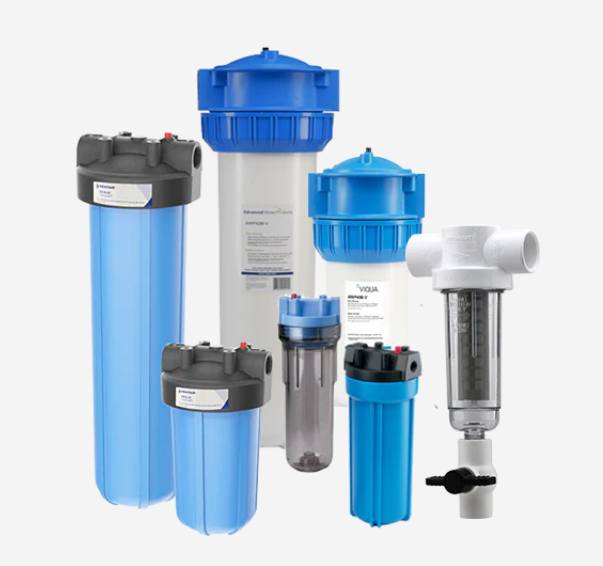
Sediment filters are usually the first line of defense. They catch sand, silt, rust particles, and debris before they reach other equipment or your fixtures.

Depth filters or cartridge filters rated at 5 to 50 microns work for most wells. Replace cartridges every 3-6 months depending on sediment load. These are cheap and prevent bigger problems downstream.

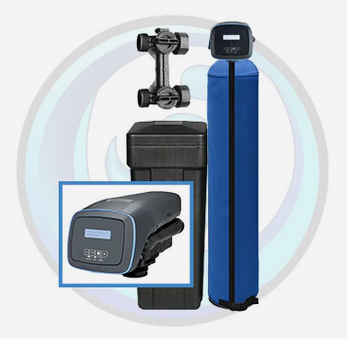
Water softeners remove hardness (calcium and magnesium). They can also handle low levels of clear water iron, usually up to 3-4 ppm depending on the unit.

Softeners use salt and resin to exchange hard minerals for sodium. They need regular salt refills and periodic maintenance. Sizing matters. Too small and it can’t keep up. Too large and it wastes water and salt during regeneration.

Iron and sulfur filters handle higher iron levels that softeners can’t manage. These systems use oxidation to convert dissolved iron into particles, then filter them out.

Some use air injection. Others use chemical oxidation with chlorine or peroxide. Each approach works but requires different maintenance and has different operating costs.

UV disinfection systems kill bacteria, viruses, and protozoa using ultraviolet light. No chemicals, no taste change, just microorganism inactivation as water flows through.

UV is critical if your well tests positive for coliform bacteria. It’s also good insurance even if your tests come back clean. Bacteria contamination can happen between tests.

UV systems need yearly lamp replacements and occasional quartz sleeve cleaning. Pre-filtration is required because sediment blocks UV light penetration.

Reverse osmosis (RO) systems provide point-of-use drinking water treatment. They remove dissolved solids, heavy metals, and contaminants down to 0.0001 microns.

RO is usually installed under the kitchen sink for drinking and cooking water. Whole-house RO is possible but expensive and typically unnecessary for most wells.

You can combine these systems. In fact, most well water situations require multiple treatment stages. Sediment filter, then iron removal, then softener, then UV is a common sequence for problem wells.

Each system addresses specific issues. Matching your water test to the right combination is how you actually solve problems instead of just spending money.

How to Choose the Best System Based on Your Well Water Test

Start with your test results. Not what you think is in your water. What’s actually there, measured by a lab.

If your test shows bacteria: UV disinfection is non-negotiable. You need to kill those organisms before anyone drinks the water. Nothing else on this list matters if bacteria are present.

Make sure you have adequate pre-filtration so the UV can work properly. Cloudy or sediment-heavy water blocks UV light.

If iron or manganese is above 0.3 ppm: You need dedicated iron removal. A softener might handle low levels, but anything above 3-4 ppm needs an iron filter.

Match the system type to your iron form (clear water vs. red water). Some systems handle both, others are specific.

If hardness is above 120 ppm: A water softener protects your appliances, plumbing, and water heater. Hard water costs you money in energy, repairs, and shortened equipment life.

Calculate your daily water use and household size to pick the right softener capacity. Under-sizing means hard water during peak usage times.

If you have sulfur smell: Air injection or oxidation filters designed for hydrogen sulfide removal. Sometimes a softener handles mild sulfur, but strong odors need dedicated treatment.

If sediment is visible or frequent: Start with a sediment filter before any other equipment. It’s the cheapest insurance against premature failure of more expensive downstream systems.

For drinking water quality: An RO system at the kitchen sink handles dissolved solids, taste issues, and provides extra protection for water you actually consume.

Whole-home vs. point-of-use is a budget and need question. Do you need softened water in every tap, or just protection against bacteria and sediment for showers and laundry while treating drinking water separately?

Maintenance matters. Iron filters need backwashing. Softeners need salt. UV lamps need annual replacement. RO membranes last 2-5 years. Calculate ongoing costs, not just upfront purchase price.

Operating costs add up. Some systems increase water usage during regeneration or backwash cycles. Others need electricity to run pumps or UV lamps.

Climate is a factor too. If your system is in an unheated space, winterization becomes necessary. Freezing destroys equipment fast.

Professional Installation vs. DIY for Well Water Filtration

Simple systems can be DIY. A sediment filter housing? Most handy people can install that. Basic UV unit? Maybe, if you’re comfortable with plumbing and electrical work.

Complex contamination needs professional design. When you’re dealing with multiple issues (iron, hardness, bacteria, pH), the sequence and sizing of treatment stages matters. Get it wrong and systems interfere with each other or fail to solve the actual problem.

Professionals test your water, calculate flow rates, size equipment properly, and install everything to code. They know which systems work in Canadian conditions and which ones fail in cold climates.

Warranty protection often requires professional installation. DIY voids many manufacturer warranties. Break something or install incorrectly and you’re buying replacement equipment out of pocket.

Long-term reliability comes from correct sizing and installation. An under-sized system fails early. Poor installation causes leaks, pressure drops, or contamination. Professionals catch these issues before they become expensive problems.

Remote and rural installations present extra challenges. Getting equipment to Manitoulin Island or northern Ontario isn’t the same as city delivery. Pros familiar with Canadian well water and rural properties know how to plan for access, power requirements, and seasonal considerations.

Yes, professional installation costs more upfront. But replacing failed DIY systems or dealing with water damage from leaks costs more in the long run.

If your water test shows bacteria, don’t DIY. That’s drinking water safety, not a project to learn on.

FAQs

What is the best filtration system for iron-heavy well water?

For iron levels above 3-4 ppm, an air injection or chemical oxidation iron filter works best. These systems oxidize dissolved iron into particles, then filter them out. Pair it with a sediment pre-filter. If you also have hardness, add a water softener after the iron filter. Systems need to be sized based on your specific iron level and water flow rate.

Do Canadian well owners need UV filtration?

If your well tests positive for bacteria, UV is required. Even if tests are clean, UV provides insurance against contamination between tests. Wells can become contaminated from surface water, failing casings, or nearby septic systems without obvious signs. UV kills bacteria, viruses, and protozoa without chemicals. Many Canadian well owners use UV as standard protection.

How often should well water be tested in Canada?

Test for bacteria at least once per year, preferably in spring after runoff. Test for minerals, hardness, and other contaminants every 2-3 years. Test immediately after flooding, nearby construction, changes in taste or smell, or if anyone gets sick. Some provinces have specific testing requirements for real estate transactions.

Can I combine multiple filtration systems?

Yes, most well water situations require multiple systems in sequence. A common setup: sediment filter, iron/sulfur removal, water softener, then UV disinfection for whole-house treatment, plus an RO system at the kitchen sink for drinking water. Each system handles specific contaminants. The sequence matters, install them in the wrong order and they don’t work properly.

Get Your Water Tested Before You Buy Anything

The best filtration system is the one that actually solves your specific problems.

Test results tell you what you’re dealing with. Iron levels, hardness, bacteria presence, pH, manganese, TDS… all of it matters when choosing treatment equipment.

Guessing wastes money. Buying a water softener when you need an iron filter. Installing UV when bacteria aren’t your problem. Treating the wrong issue because you assumed instead of tested.

Get a proper lab test. Not a free test from a company trying to sell you something. An independent lab that gives you accurate numbers without a sales pitch attached.

Take those results to someone who knows Canadian well water and can recommend systems that actually work in your conditions. Climate, installation environment, water chemistry… it all factors into what will perform reliably.

Your family’s health and your home’s plumbing depend on clean water. Don’t leave it to chance.

What issues are you experiencing with your well water?

11 min 0

How Do You Choose the Right Size Bike Helmet?

A bike helmet only works if it fits right. Seems obvious, but most riders get this wrong.

An ill-fitting helmet can slide off during impact. Or it might not cover the right areas of your skull. The statistics are pretty clear. Helmets reduce head injury risk by 60% when they fit properly. That number drops fast when the fit is off.

Too loose and the helmet shifts around. You might think it’s on correctly until you hit a bump and it tilts back, exposing your forehead. Too tight and you’ll get headaches, pressure points, and probably stop wearing it altogether. Neither scenario protects you.

Size matters but so does shape. Your head isn’t perfectly round and neither are helmets. Some brands fit narrow heads better. Others work for rounder skull shapes. Then there’s riding style. A road helmet doesn’t fit the same way as a mountain bike helmet even if they’re both labeled medium.

This guide walks through the actual steps to get your helmet fit right. From measuring your head correctly to adjusting straps, we’ll cover what makes a helmet safe versus what makes it dangerous.

Do you know if your helmet is actually protecting you fully? Most people don’t check after the initial purchase.

Measuring Your Head Correctly

Start with a soft measuring tape. The fabric kind works best because it conforms to your head shape. Metal tapes are too rigid and give inaccurate readings.

Position the tape about one inch above your eyebrows. This is the widest part of most people’s heads. Wrap it around, going above your ears and meeting at the back of your skull. The tape should sit level all the way around. Not tilted up or down.

Pull the tape snug but don’t compress your skin. You want contact without pressure. If someone else can help, even better. It’s hard to keep the tape positioned correctly while also reading the measurement.

Write down the number in centimeters. Most helmet sizing charts use metric measurements. If you only have inches, convert it. One inch equals 2.54 centimeters.

Hair adds bulk. If you have thick or long hair, measure with it styled the way you’ll wear it while riding. Ponytails, braids, or buns change the fit. Some riders with longer hair measure twice—once with hair down, once with it up—then average the results.

Compare your measurement against manufacturer sizing charts. Here’s where things get tricky. A 56cm head might be a medium in one brand and a large in another. There’s no universal standard. Brand sizing charts are your friend. Check them before buying, not after.

Take measurements at different times of day if you’re between sizes. Your head can swell slightly during exercise or in heat. If you ride in varied conditions, knowing your maximum circumference helps pick the right size.

Most adults fall between 54-62 centimeters. Kids range from 48-56 centimeters depending on age. If your measurement seems off, double-check your tape placement.

Understanding Helmet Sizes and Fit

Helmet sizes run from extra small to extra extra large, but those labels mean different things across brands. A medium from one manufacturer might measure 54-58cm. Another brand’s medium could be 55-59cm. That one centimeter overlap matters more than you’d think.

European brands often size differently than North American ones. Asian market helmets tend to run smaller overall. If you’re ordering online, read reviews mentioning fit. Other buyers with similar head measurements provide better guidance than the size chart alone.

Can two medium helmets feel very different? Absolutely. Shell shape plays a huge role. Some helmets have a rounder interior profile. Others are more oval. Your head shape might be long front-to-back but narrow side-to-side. Or perfectly round. Or wide and shallow.

Try the helmet on before buying when possible. Online shopping is convenient but sizing errors are common. If you must buy online, check the return policy first. Many specialty shops let you try multiple sizes and keep the best fit.

The helmet should feel snug all around. Not tight in some spots and loose in others. Even pressure distribution is the goal. If you feel specific pressure points, that helmet shape doesn’t match your head shape.

Look at fit systems too. Some helmets use thick padding to adjust fit. Others rely on retention dials. Neither is better universally. It depends on your head shape and personal preference. Thick padding works well for rounder heads. Dial systems help with oval head shapes.

Kids grow fast, but don’t buy helmets too large with the idea they’ll “grow into it.” An oversized helmet provides zero protection. Replace kids’ helmets yearly if needed. Safety beats frugality here.

Checking for Proper Helmet Fit

Put the helmet on and position it level on your head. The front edge should sit about one inch above your eyebrows. Not higher. If you can see the helmet’s front edge when you look up, it’s too far back.

Level means the helmet isn’t tilted forward or backward. Many people wear helmets pushed back like a hat. That exposes the forehead during a fall. Your forehead is fragile. It needs coverage.

Fasten the chin strap loosely for now. Shake your head side to side. Does the helmet move independently of your head? That’s bad. The helmet and your skull should move as one unit.

Nod your head up and down. The helmet should stay in place. If it slides forward and back, you need a smaller size or better adjustment.

Try this test: Place your palms on both sides of the helmet and twist gently. The skin on your forehead should move with the helmet. If the helmet rotates but your skin stays still, it’s too loose.

Remove the helmet and check for red marks on your forehead. Some temporary pressure marks are normal. Deep indentations or painful spots mean it’s too tight or the wrong shape for your head.

Look in a mirror from the side. You should see the helmet covering the top of your forehead and extending down past the base of your skull in back. If it looks like it’s perched on top of your head, try a different size or model.

The comfort test matters too. You’ll wear this helmet for extended periods. If it’s uncomfortable in the store, it’ll be worse on a long ride. Don’t convince yourself you’ll get used to a bad fit. You won’t.

Some discomfort is normal during the first few rides as padding breaks in. But pain or numbness isn’t. Trust your body. If something feels wrong, it probably is.

Adjusting Straps and Retention Systems

Chin straps need specific positioning. The buckle should sit just under your chin, slightly off to one side. Not pressing into your throat.

Tighten the strap until you can fit one or two fingers between the strap and your chin. Looser than that and the helmet can come off during impact. Tighter makes breathing difficult and feels restricting.

The side straps should form a “V” shape under each ear. Not in front of your ears or behind them. Under them. This “Y” positioning keeps the helmet stable during movement.

Adjust the slider on each side strap to achieve this V shape. Most helmets have a small plastic slider that moves up and down. Position it right below your earlobe.

Rear retention systems vary by helmet model. Dial systems let you fine-tune fit with a small turn of the knob. Turn clockwise to tighten, counterclockwise to loosen. The cage should cup the back of your skull without pressing too hard.

Pad systems use removable foam pieces in different thicknesses. Start with medium pads and adjust up or down based on fit. Thicker pads make the helmet tighter. Thinner pads add room.

After adjusting everything, do the tests again. Shake, nod, twist. The helmet should feel secure but not restrictive. You shouldn’t think about it once you start riding.

Some people need asymmetric adjustments. Maybe your left strap needs to be slightly tighter than your right. That’s fine. Faces aren’t perfectly symmetrical. Adjust for your specific anatomy.

Replace worn straps or broken retention systems immediately. A helmet with a broken dial or frayed strap is compromised. Parts are usually available through the manufacturer.

Tips for Choosing the Right Helmet Type

Riding style determines helmet features. Road cycling helmets prioritize ventilation and weight. They have large vents and minimal coverage. Mountain bike helmets extend lower in back and often include visors. BMX and downhill helmets look more like motorcycle helmets with full face protection.

Commuter helmets split the difference. They’re not as light as road helmets but more protective. Many include mounts for lights or have reflective elements built in. Canadian riders benefit from these visibility features during darker months.

Ventilation matters more than you might expect. Helmets without adequate airflow cause overheating. You’ll sweat more and the helmet becomes uncomfortable. Too much ventilation in winter means cold air directly on your scalp. Some riders own multiple helmets for different seasons.

Weight affects neck strain on long rides. An extra 50 grams doesn’t sound like much. Over a three-hour ride, your neck notices. Road riders usually prioritize light weight. Mountain bikers accept heavier helmets for better coverage and durability.

Safety certifications aren’t negotiable. Look for CPSC certification at minimum. This is the U.S. Consumer Product Safety Commission standard. Helmets sold in Canada should meet this or equivalent standards.

ASTM certification indicates higher impact standards. Common on skate and BMX helmets. Snell certification is even more rigorous. Not all helmets pursue Snell certification due to cost, but those that do offer proven protection.

Replace your helmet after any crash where you hit your head. Even if there’s no visible damage. The foam inside compresses during impact and doesn’t recover. That helmet has done its job. Get a new one.

Replace helmets every 3-5 years even without crashes. UV exposure, sweat, and temperature changes degrade materials over time. The straps weaken. The foam becomes brittle. Older helmets don’t protect like new ones.

Don’t buy used helmets. You can’t know if they’ve been dropped or in a crash. The previous owner might not even remember a minor impact that compromised the structure. Your head deserves better than gambling on someone else’s memory.

Style matters to many people. If you won’t wear the helmet because you don’t like how it looks, it can’t protect you. Find something you’ll actually use. But never choose style over proper fit and safety certification.

FAQs

How tight should a bike helmet feel?

Snug enough that it doesn’t move when you shake your head, but not so tight that it causes pain or pressure points. You should be able to fit one or two fingers under the chin strap comfortably. The helmet should feel secure without being restrictive.

Can a helmet be too small if it fits snugly?

Yes. A helmet that’s too small creates pressure points and won’t sit properly on your head. It might perch too high or not cover your forehead adequately. If you’re getting headaches or deep red marks that don’t fade quickly, the helmet is too small even if it feels snug.

How do helmet sizes vary between brands?

Sizing varies significantly. One brand’s medium might fit 54-58cm heads while another’s medium covers 55-59cm. Head shape matters too. Some brands make rounder helmets, others more oval. Always check the specific brand’s sizing chart and try on when possible.

Should kids’ helmets be replaced frequently?

Yes. Kids grow fast and head size changes quickly. Check fit every few months. If the helmet is tight, sitting too high, or the straps are fully extended, it’s time for a larger size. Kids also tend to be harder on equipment, so inspect for damage more often.

What’s the difference between road and mountain bike helmets?

Road helmets emphasize ventilation and light weight with large vents and minimal coverage. Mountain bike helmets extend lower in back for better protection, often include a visor, and have more durable construction. Mountain bike helmets typically have fewer vents since riders move slower and generate less wind cooling.

9 min 0

How Do Canadian Winters Impact Water Softener Performance?

Picture this: It’s minus twenty outside. You wake up to a house that feels colder than usual. You turn on the tap and nothing happens. Or worse, the water comes out but your softener has stopped working altogether.

Canadian winters are tough on everything in your home. Your water softener is no exception.

Most people don’t think about their softener until something goes wrong. But winter creates specific challenges that can damage your system or leave you dealing with hard water when you need soft water most.

If you’re dealing with frozen components, increased salt use, or weird performance issues during cold months, you’re not alone. Many Canadian homeowners face the same problems every winter. Working with a Water softeners  can help you prevent damage before it happens.

This guide covers what winter does to your softener and how to keep it running when temperatures drop.

Freezing Temperatures and Their Effect on Water Softener Components

Water softeners have moving parts. They also hold water. Cold gets to both.

The resin tank sits there full of tiny beads and brine. If your softener is in an unheated garage or basement, the water inside can freeze. When water freezes it expands. That expansion can crack the tank wall or damage the control valve.

The control valve itself has plastic gears and seals. Extreme cold makes plastic brittle. A valve that worked fine in summer might crack or fail when it hits minus thirty.

Your plumbing lines are at risk too. The pipe running to and from the softener can freeze if they’re not insulated. A frozen line means no water flow, which means your softener can’t regenerate even if it needs to.

Some people install softeners in cottages or seasonal homes. Big mistake if you’re not winterizing properly. A softener left in a cold building will almost certainly freeze and crack over winter.

Here’s what you can do:

Keep your softener in a heated space if possible. Even an unfinished basement is usually better than a garage.

Wrap exposed pipes with foam insulation. It’s cheap and takes maybe twenty minutes.

If your softener is in a cold spot, consider adding a small space heater nearby. Not right next to the unit, just enough to keep the area above freezing.

Check for drafts around windows or doors near your system. Cold air sneaks in faster than you think.

Changes in Water Hardness During Winter Months

Your water gets harder in winter. Not always, but often enough that you should know about it.

Groundwater mineral content shifts throughout the year. In winter, there’s less surface water mixing into aquifers. That means higher concentrations of calcium and magnesium, which is what makes water hard.

Wells that pull from shallow aquifers see this more than deep wells. But even municipal water can change if the source shifts seasonally.

You might notice more scale on your faucets in January than you did in July. Or your soap doesn’t lather as well. That’s your water getting harder, and if your softener isn’t adjusted for it, you’re not getting fully softened water.

Some softeners have adjustable hardness settings. If yours does, you might need to bump it up a bit in winter. Check your manual or test your water to see where your hardness actually sits during cold months.

Have you noticed white spots on dishes more in winter? That’s a sign your hardness has increased and your system isn’t keeping up.

Increased Water Usage and Regeneration Frequency

Winter means more water use. Everyone’s inside more. You’re taking longer hot showers. Running the dishwasher daily. Maybe using a humidifier to deal with dry indoor air.

Your softener regenerates based on water volume. The more water you use, the more often it needs to regenerate. In summer you might regenerate every four days. In winter it might be every two or three.

More regenerations mean more salt use. Your salt tank empties faster. If you’re not checking it regularly, you might run out without realizing it. Then your softener stops working and you’re back to hard water.

The control head on most softeners tracks gallons used. When you hit a certain number, it triggers regeneration. Winter water use can throw off what you thought was a stable routine.

Keep an eye on:

Your salt level every two weeks instead of monthly.

Water spots or hard water signs that appear suddenly.

How often your softener is regenerating (most units have a display or manual cycle button you can check).

If you’re going through salt much faster than normal, your usage has probably increased. That’s not necessarily a problem, just something to plan for.

Salt Bridging and Cold-Weather Maintenance Challenges

Salt bridging is when a hard crust forms in your brine tank. It sits above the water line like a dome. You look in the tank and see salt, so you think everything’s fine. But underneath that crust there’s empty space, no salt actually dissolving.

Your softener thinks it has salt. It tries to regenerate. But without dissolved salt creating brine, regeneration doesn’t work. You end up with hard water and no idea why.

Cold, dry winter air makes salt bridging worse. The salt on top dries out and cements together. High humidity can do it too, but winter dryness is the bigger culprit in most Canadian homes.

Signs of salt bridging:

The salt level in your tank doesn’t seem to drop even though weeks have passed.

Hard water symptoms appear suddenly.

When you push a broom handle into the salt, it hits a hollow space underneath.

You can prevent bridging by using high-quality salt and keeping your brine tank at least a quarter full. Don’t overfill it, that actually makes bridging more likely.

Check the tank every month in winter. Break up any crusty layers before they become a problem. It takes two minutes and saves you from dealing with hard water.

Winter also makes routine maintenance harder. Your brine tank might be in a cold basement. You don’t want to spend time down there when it’s freezing. But skipping checks leads to problems.

Set a reminder on your phone. First of every month, check your salt. Fast and done.

How to Protect and Optimize Your Water Softener in Canadian Winters

You can’t control the weather. You can control how your softener handles it.

Insulate exposed components. Pipes, tanks, anything in an unheated space. Use foam pipe wrap or fiberglass insulation. Costs almost nothing compared to replacing a cracked resin tank.

Adjust your hardness setting if needed. Test your water in January. If hardness is higher than what your softener is set for, adjust it up. Most control valves have a hardness adjustment in the settings menu.

Schedule a winter inspection. A professional can check valve operation, test your actual water hardness, inspect for leaks or cracks, and make sure everything is ready for cold weather. Better to pay for an inspection than an emergency repair mid-winter.

Monitor regeneration frequency. If your unit is regenerating every day in winter but only twice a week in summer, your water use has jumped significantly. That’s normal, but you need to keep up with salt refills.

Drain and winterize if you’re leaving. Going south for the winter? Don’t leave your softener full of water in a cold house. Drain the tanks, disconnect the unit, or at least set the heat to 10-15 degrees to prevent freezing.

Check for ice buildup around drain lines. If your softener drains outside or into a cold area, that drain line can freeze. Make sure water can actually exit during regeneration.

Some of this feels like overkill until you’re dealing with a flooded basement or a $800 repair bill in February.

Preventing problems is always cheaper than fixing them.

FAQs

Can a water softener freeze in winter?

Yes. If your softener is in an unheated garage, cottage, or poorly insulated basement, the water inside can freeze. Frozen water expands and cracks resin tanks or control valves. Keep your softener in a space that stays above 5 degrees Celsius minimum.

Should I adjust my water softener settings during Canadian winters?

Possibly. Groundwater hardness can increase in winter due to reduced surface water mixing. Test your water in both summer and winter. If your winter hardness is higher, adjust your softener’s hardness setting up. Most units let you change this in the control menu.

Does cold weather affect water softener salt usage?

Indirectly, yes. Cold weather increases indoor water use (longer showers, more laundry, humidifiers). More water use means more regeneration cycles, which means more salt consumption. You might go through salt 30-40% faster in winter than summer.

Is it safe to install a water softener in a garage during winter?

Not in most of Canada. Garages rarely stay warm enough to prevent freezing. If you must install in a garage, insulate heavily, use heat tape on all plumbing lines, and consider adding a small heater to keep the space above freezing. A heated basement is always a better choice.

Keep Your Softener Running All Winter

Canadian winters are hard on water softeners. Freezing temperatures crack components. Increased hardness overwhelms undersized systems. Higher water use drains salt tanks faster. Cold, dry air creates salt bridging.

But none of these problems are unsolvable.

Insulate exposed pipes and tanks. Check salt levels monthly instead of quarterly. Test your water hardness at least once during winter. Keep your system in a heated space if at all possible.

A properly maintained softener will handle winter just fine. Most failures happen because people forget about their system until something breaks.

Schedule a quick inspection before the coldest months hit. Make sure everything is ready. Your future self will thank you when your neighbors are dealing with frozen pipes and you’re not.

Have you dealt with winter water softener problems in your home? What worked for you?

9 min 0

How Do Indian Pharmaceutical Manufacturers Meet International Quality Standards?

India manufactures nearly 60% of global vaccines and supplies medicines to over 200 countries. Yet many pharmaceutical brands still question whether Indian facilities can truly match European or American standards. The answer lies in understanding how drug manufacturing companies in India have built systems that not only meet but often exceed what international regulators demand. These manufacturers face the same US FDA inspections, WHO audits, and European regulatory scrutiny as their Western counterparts. What separates compliant facilities from those that fail audits? The difference comes down to five interconnected systems that work together to ensure every tablet, capsule, and injection meets specifications that could save or endanger lives.

Compliance with Global Regulatory Frameworks (US FDA, EMA, WHO-GMP)

Good Manufacturing Practices aren’t suggestions. They’re the baseline requirement for anyone producing medicines destined for regulated markets. Indian pharmaceutical facilities serving international markets operate under constant scrutiny from multiple regulatory bodies, each with slightly different expectations but the same core demand: proof of consistent quality.

The US FDA conducts unannounced inspections at Indian facilities, sometimes spending weeks examining batch records, production logs, and quality control data. European regulators follow similar protocols under their GMP guidelines. WHO-GMP certification adds another layer, particularly for facilities supplying developing nations through global health programmes. Perhaps what makes this challenging is that manufacturers must simultaneously comply with multiple frameworks. A facility shipping to the United States, Europe, and WHO-prequalified markets needs systems robust enough to satisfy all three regulatory philosophies.

Indian manufacturers file Abbreviated New Drug Applications (ANDAs) with the US FDA, a process that subjects them to the same scrutiny as American manufacturers. These aren’t rubber-stamp approvals. The FDA examines manufacturing processes, validates analytical methods, and requires proof that the generic product performs identically to the branded version. Many Indian facilities maintain dedicated regulatory affairs teams whose sole job involves tracking regulatory changes across markets and ensuring compliance documentation stays current.

The investment required for this level of compliance can be staggering. Facilities upgrade equipment, retrain staff, and implement new systems simply to maintain their approved status. But here’s the reality: losing FDA approval or failing a WHO audit can destroy a manufacturer’s reputation overnight. The pharmaceutical industry has no tolerance for second chances when it comes to quality failures.

Robust Quality Management Systems (QMS) and Documentation

Standard Operating Procedures govern every action in a pharmaceutical facility. Opening a door. Cleaning equipment. Recording a temperature reading. Nothing happens without documented procedures that specify exactly how it should be done. This might seem excessive until one considers that a single deviation from protocol could contaminate an entire batch of life-saving medication.

Quality Management Systems in Indian pharmaceutical manufacturing rely heavily on documentation. Batch manufacturing records capture every step of production, from raw material dispensing to final packaging. Deviation reports track anything that strays from standard procedures, no matter how minor it might seem. Change control systems ensure that no process modification happens without proper evaluation and approval.

Data integrity has become the focal point of recent regulatory inspections. The ALCOA+ principles (Attributable, Legible, Contemporaneous, Original, Accurate, plus Complete, Consistent, Enduring, and Available) govern how manufacturers record and store quality data. Electronic systems have replaced many paper records, but this brings new challenges. Audit trails must capture every data entry, modification, and deletion. User access controls prevent unauthorised changes. Regular data integrity audits verify that systems function as intended.

Traceability extends from raw material suppliers through to finished product distribution. If a quality issue emerges, manufacturers need the ability to identify affected batches within hours, not days. This requires interconnected systems that link procurement records, manufacturing logs, quality control results, and distribution data. The complexity of maintaining these systems demands significant resources, but the alternative is unthinkable.

Advanced Manufacturing Technology and Automation

Automated production lines have transformed Indian pharmaceutical manufacturing over the past decade. High-speed tablet presses equipped with weight control systems reject out-of-specification tablets before they reach packaging. Capsule filling machines monitor fill weight in real-time, adjusting automatically to maintain tight tolerances. Liquid filling lines incorporate vision systems that inspect every vial for particulate matter or underfill.

Process Analytical Technology (PAT) tools allow manufacturers to monitor critical quality attributes during production rather than relying solely on end-product testing. Near-infrared spectroscopy can verify API content in real-time. Particle size analysers ensure uniform distribution in suspension products. Temperature and humidity sensors throughout production areas alert operators immediately when conditions drift from acceptable ranges.

Digital monitoring systems collect vast amounts of data from production equipment, environmental controls, and quality testing instruments. This data feeds into analytics platforms that identify trends before they become problems. A gradual increase in tablet weight variation might indicate equipment wear that requires maintenance. Humidity fluctuations in a particular production area could signal HVAC issues that need immediate attention.

The reduction in human error through automation cannot be overstated. Manual processes depend on operator skill, attention, and consistency throughout long shifts. Automated systems perform the same operation identically every time, eliminating variability that plagues manual manufacturing. This doesn’t mean facilities eliminate human oversight. Skilled operators monitor automated systems, intervene when needed, and make decisions that machines cannot.

Skilled Workforce and Continuous Training Programmes

Regulatory requirements change constantly. New guidance documents emerge from the US FDA. European authorities update their expectations around data integrity. WHO modifies prequalification requirements. Staying compliant requires a workforce that understands not just current rules but upcoming changes that will affect operations.

Indian pharmaceutical manufacturers invest heavily in training programmes that extend beyond initial onboarding. Quality assurance personnel receive specialised training in regulatory requirements, audit preparation, and deviation investigation. Production staff learn not just how to operate equipment but why particular procedures exist and what could go wrong if they’re not followed precisely. Analytical chemists study method validation, reference standards, and statistical analysis techniques that underpin quality control testing.

Internal audit programmes serve multiple purposes. They identify compliance gaps before external auditors find them. They provide training opportunities for staff who will eventually face regulatory inspections. They reinforce the quality culture that separates compliant manufacturers from those that view quality as a burden rather than a responsibility.

The pharmaceutical industry operates on a principle that quality is everyone’s responsibility, not just the quality department’s. This cultural shift takes years to achieve. Production operators need to feel empowered to stop a batch if something seems wrong. Maintenance technicians must understand that equipment qualification isn’t bureaucratic nonsense but essential to ensuring consistent product quality. Even janitorial staff play a role in maintaining the environmental conditions that protect products from contamination.

Third-Party Audits and Global Client Quality Expectations

International pharmaceutical companies don’t simply trust certifications. Before partnering with Indian manufacturers, they conduct their own rigorous supplier audits. These client audits often exceed regulatory requirements, examining aspects of operations that regulators might not scrutinise. A European pharmaceutical company might spend days reviewing environmental monitoring data, questioning staff about procedures, and examining equipment maintenance records.

Contract Research Organisations (CROs) and independent quality consultants provide another layer of oversight. Manufacturers seeking to enter new markets often engage these firms to conduct gap analyses, identifying areas where their systems fall short of specific regulatory requirements. This pre-emptive approach helps facilities address issues before regulators or clients discover them.

Global partnerships drive continuous improvement in ways that domestic sales alone cannot. When a manufacturer supplies a major international pharmaceutical company, they’re not just shipping product. They’re entering a relationship where the client has genuine concerns about protecting their brand reputation. Quality failures at a contract manufacturer can trigger recalls, regulatory action, and lasting damage to the client’s market position.

This pressure creates a positive feedback loop. Manufacturers that meet stringent client expectations become more attractive to other quality-conscious pharmaceutical brands. Their experience with demanding audits makes subsequent regulatory inspections less stressful. The systems they develop to satisfy one client often exceed what other clients require, creating operational efficiencies that benefit the entire organisation.

Conclusion

Indian pharmaceutical manufacturers maintain international quality standards through an interconnected web of regulatory compliance, documented quality systems, advanced technology, trained personnel, and external accountability. These elements don’t function independently. Technology without skilled operators fails. Documentation without proper training becomes meaningless paperwork. Regulatory compliance without client accountability lacks the pressure needed for continuous improvement. The manufacturers that succeed in global markets recognise this interdependence and invest accordingly. India’s position as a reliable pharmaceutical supplier rests on these foundations, built through decades of learning, adaptation, and commitment to meeting the expectations of regulators and clients worldwide.

Frequently Asked Questions

Are Indian pharmaceutical manufacturers approved by the US FDA?

Yes, hundreds of Indian pharmaceutical facilities hold US FDA approval and undergo regular inspections. The FDA maintains a public database of approved manufacturing sites, and many Indian facilities appear on this list. These approvals aren’t permanent; they require ongoing compliance with FDA regulations and successful completion of periodic inspections.

What is WHO-GMP certification, and why is it important?

WHO Good Manufacturing Practices certification verifies that a pharmaceutical manufacturer consistently produces medicines meeting quality standards. It’s particularly important for facilities supplying international organisations, developing nations, and global health programmes. Many procurement agencies require WHO-GMP certification as a prerequisite for supplier consideration.

How often are Indian pharma plants audited?

Audit frequency varies based on the markets served and the manufacturer’s compliance history. Facilities shipping to the United States might face FDA inspections every two years, though problematic sites receive more frequent scrutiny. Client audits from international pharmaceutical companies often occur annually. WHO re-inspections typically happen every three years, though this timeline can change.

Is data integrity a concern in Indian pharma manufacturing?

Leading Indian manufacturers have implemented robust data integrity controls following ALCOA+ principles. Electronic systems with comprehensive audit trails, restricted user access, and regular data integrity audits help ensure reliable quality data. Regulatory authorities worldwide have increased their focus on data integrity, and compliant manufacturers have adapted their systems accordingly

11 min 0

Well Water Filtration System Canada: Are They Required by Law?

You bought a house with a well. Or maybe you’ve had one for years. And now you’re wondering if you’re breaking some law by not having a filtration system installed.

The short answer is no. Private well owners in Canada are not legally required to install filtration systems. But that’s not the whole story, and the full answer might surprise you. Companies like Wahl Water have been helping Canadian well owners understand their responsibilities since 1995, but the legal landscape is more complicated than most people realize. What’s legal and what’s safe are two different things. And in some situations, you might be forced to treat your water even though there’s no blanket law requiring it.

Here’s what makes this confusing. Canada doesn’t have one simple rule about private wells. Each province handles it differently. Some require testing. Others just recommend it. And the rules change depending on whether you’re drinking the water yourself or serving it to others.

This guide breaks down what you’re actually required to do versus what you should do. Because the law might not force you to filter your water, but your mortgage lender might. Or your health inspector. Or your real estate deal.

How Federal and Provincial Laws Handle Private Wells

Health Canada sets guidelines for drinking water quality. They publish maximum acceptable concentrations for contaminants like bacteria, arsenic, lead, and uranium. These guidelines apply across the country.

But here’s the thing. Health Canada doesn’t enforce anything for private wells. They set the standards, and then provinces decide how to apply them.

Most provinces treat private wells as personal responsibility. If you own a well that serves only your household, the government assumes you’ll take care of it yourself. They’re not showing up to test your water or inspect your treatment system. That’s on you.

The logic is simple, at least from a regulatory perspective. Your well, your problem. Municipal water systems serve thousands of people, so they need strict oversight. Private wells serve one family. The risk calculation is different.

This hands-off approach changes in specific situations. If your well serves a public space, different rules kick in. Schools, restaurants, campgrounds, and businesses face mandatory testing and treatment requirements. The line between private and public use matters a lot in Canadian well water law.

Provincial differences add another layer. Ontario has different guidelines than Alberta. British Columbia approaches it differently than Quebec. Some provinces offer free testing programs. Others don’t. Some require testing during real estate transactions. Others leave it optional.

The patchwork of rules means you can’t assume what’s true in one province applies everywhere. Check your local health authority for specifics.

The Legal Reality for Private Well Owners

No province in Canada legally requires private well owners to install filtration systems just because they own a well. You can drill a well, drink straight from it untreated, and face no legal consequences.

That sounds reckless when you say it out loud. And it is, in many cases. But it’s technically legal.

The exceptions are where things get interesting. Real estate transactions often require water testing. If you’re selling a home with a well, potential buyers will want proof the water is safe. Banks financing the purchase might require testing before approving the mortgage. If your test shows contamination, you might need to install treatment before closing the deal.

So you’re not legally required to have a filtration system. But you might be practically required to have one if you want to sell your property.

Public access changes everything. If you run a bed and breakfast, rent out cottages, or operate any business where people drink your well water, health departments can mandate treatment. The requirements vary by province and the type of operation, but the principle is consistent. Serve water to the public, and you face regulations.

Daycare facilities in homes with wells face stricter rules. Children are vulnerable. Most provinces require regular testing and immediate action if contamination shows up. Treatment systems become necessary, even if they’re not explicitly required by a specific law.

The gap between “required by law” and “required to avoid problems” is smaller than it seems. You might dodge legal consequences for not treating your water. But you can’t dodge bacteria, arsenic, or other contaminants.

Testing Requirements Across Canada

Testing is where provinces diverge the most. Some require it. Some recommend it. Some do both depending on the situation.

Ontario recommends testing at least three times per year. Spring, after extended periods of no use, and whenever you notice changes. They’re not checking if you actually do it, but the guidance is clear.

Alberta suggests annual testing for bacteria and a full analysis every 2-3 years. British Columbia takes a similar approach. Saskatchewan, Manitoba, and the Atlantic provinces each have their own recommendations.

Recommendations aren’t laws. You can ignore them without penalty. But if your water makes someone sick and you haven’t tested in years, that could become a liability issue.

What should you test for? At minimum, these contaminants matter for Canadian well owners:

  • Total coliform bacteria
  • E. coli bacteria
  • Nitrates
  • Arsenic
  • Lead
  • Fluoride
  • pH levels
  • Hardness
  • Iron and manganese
  • Uranium (in specific areas)

The testing frequency depends on several factors. New wells should be tested before use. After that, annual testing catches most problems. But if your area has known contamination risks, test more often.

Heavy rain and flooding warrant immediate testing. Surface water can seep into wells and bring bacteria with it. If your region had unusual weather, don’t assume your well stayed safe.

Changes in taste, smell, or color mean test right away. Clear water isn’t always safe, but visible changes often signal contamination. Don’t wait for annual testing if something seems off.

Provincial health departments often provide testing kits or connect you with certified labs. Costs run from $50 for basic bacteria tests to $200-300 for comprehensive analysis. That’s cheap compared to medical bills from drinking contaminated water.

Keep your test results. They create a baseline. If contamination shows up later, you can see when it started and possibly identify the source.

When You Actually Need a Filtration System

Test results tell you when treatment becomes necessary. Health Canada’s guidelines show maximum acceptable levels for each contaminant. When your water exceeds those levels, you need treatment. Not for legal reasons, necessarily. For health reasons.

Bacteria contamination is non-negotiable. Any presence of E. coli means your water is unsafe. Total coliform bacteria suggest fecal contamination is possible. Both require immediate action. Boil water advisories work as short-term solutions. Long-term, you need UV disinfection or chlorination.

Arsenic above 0.010 mg/L exceeds safe limits. Arsenic occurs naturally in Canadian bedrock in many areas. It’s tasteless and odorless. You won’t know it’s there without testing. Long-term exposure causes cancer and other serious health problems. Reverse osmosis or specialized arsenic filters are the solutions.

Lead contamination typically comes from old plumbing, not the well itself. But if your test shows elevated lead, you need treatment. Children are especially vulnerable. Even low levels affect development.

Nitrates above 10 mg/L pose risks, especially for infants and pregnant women. Agricultural runoff often causes high nitrates. Reverse osmosis removes them. Standard filters don’t.

Who’s in your household affects the urgency. Babies, pregnant women, elderly family members, and anyone with compromised immune systems face higher risks from contaminated water. What’s merely unpleasant for healthy adults can be dangerous for vulnerable people.

Aesthetic issues matter too, even if they’re not health threats. Iron staining ruins fixtures and laundry. Sulfur smell makes water unpleasant. Hard water damages appliances. These problems don’t require treatment legally, but they require treatment practically if you want functional plumbing and livable conditions.

Perhaps the most overlooked factor is property value. Homes with known water problems and no treatment system lose value. Future buyers will demand treatment or discount their offers. Installing a proper system protects your investment.

Choosing the Right System for Your Well

Match your treatment system to your test results. That’s the fundamental rule. Don’t guess. Don’t buy based on price alone. Let your water quality data guide the decision.

Bacteria contamination needs UV disinfection. UV systems use ultraviolet light to kill bacteria, viruses, and protozoa. They work fast, require little maintenance beyond annual lamp changes, and handle biological threats effectively. UV doesn’t remove chemicals or minerals. It only disinfects.

Heavy metals like arsenic and lead need reverse osmosis or specialized filters. RO systems remove a wide range of dissolved contaminants. They work slower and waste some water, but they produce high-quality drinking water. Install them under your kitchen sink for drinking and cooking water.

Iron and sulfur need oxidation filters. These specialized systems remove the minerals that cause staining and odor. Standard carbon filters don’t handle iron effectively.

Hardness minerals need water softeners. Softeners use ion exchange to remove calcium and magnesium. They protect your plumbing and appliances but don’t address health contaminants. Many well owners need both a softener and a UV system.

Certifications matter. Look for NSF/ANSI Standard 53 for health contaminant removal. Standard 55 applies to UV systems. CSA certification shows Canadian compliance. Avoid systems that make big claims without third-party testing to back them up.

Professional installation ensures proper sizing and function. UV systems especially need correct flow rates to work. If water moves through too fast, the UV dose drops and disinfection fails. DIY installation can work for simple carbon filters, but complex systems benefit from expert setup.

Maintenance is ongoing. UV lamps need replacement every 12 months even if they still glow. Pre-filters need changes every few months. RO membranes last 2-3 years. Softeners need salt. Skip maintenance and your system stops working without warning. You might be drinking untreated water and not know it.

The cost varies widely. Basic UV systems start around $400-600. Whole-house carbon filters run $200-1000 depending on size. RO systems for drinking water cost $300-800. Water softeners range from $500-2000. Multiple treatment stages add up quickly. But compare that to the cost of bottled water forever or the medical expenses from contaminated water.

What Happens If You Skip Treatment

Nothing happens legally, in most cases. That’s the strange reality of private wells in Canada. You can drink unsafe water and face no fines or charges.

The consequences show up in other ways. Health problems from long-term exposure to contaminants develop slowly. You might not connect them to your water until damage is done.

Real estate transactions force the issue. Buyers will test your water. If contamination shows up, they’ll demand treatment or walk away. You’ll install a system anyway, but now you’re doing it under pressure with limited time.

Insurance claims can be denied if you knowingly ignored water quality problems. If contaminated water damages your home and you never tested or treated it, your insurer might refuse to pay.

Liability exists if someone gets sick from your water. If you rent out space or host guests and your untreated well water makes them ill, you could face legal action. The fact that treatment isn’t legally required doesn’t shield you from liability when harm occurs.

Banks sometimes require water testing and treatment before approving mortgages on properties with wells. You might not be able to refinance or get a home equity loan without addressing water quality.

The smart approach is treating water quality as a maintenance issue, not a legal one. Test regularly. Address problems when tests show them. Don’t wait for symptoms or regulations to force your hand.

Private labs offer detailed analysis beyond basic tests. Spending $200-300 every few years for comprehensive testing is cheap insurance. You’ll know exactly what’s in your water and can make informed decisions about treatment.

Talk to water treatment specialists who understand Canadian well water challenges. They can review your test results and recommend systems matched to your specific contamination and household needs. The consultation is usually free and prevents expensive mistakes.

Your well water is your responsibility. No government agency will monitor it for you or tell you when to act. That freedom comes with risk. Test your water. Understand what’s in it. Treat it properly. Those steps protect your family whether or not any law requires them.

10 min 0

How Can You Check the Credibility of a Nasha Mukti Kendra in Thane?

With so many options in Thane, how do you know which Nasha Mukti Kendra you can really trust? When you’re looking for addiction treatment, the decision feels overwhelming. You’re already dealing with fear, guilt, maybe anger. The last thing you need is to worry about whether the centre you choose will actually help or make things worse.

But here’s the truth: not all Nasha Mukti Kendras operate with the same standards. Some are run by trained professionals who follow evidence-based methods. Others are just businesses looking to profit from desperate families. There are centres in Thane that provide excellent care, and there are others that should probably be shut down. When searching for a nasha mukti kendra in Thane, families often face common concerns: Is this place safe? Will they actually help? Are they legally allowed to operate? Can we trust what they’re saying?

Checking credibility isn’t about being paranoid. It’s about being smart. You wouldn’t undergo surgery at an unlicensed clinic or send your child to a school without proper accreditation. The same logic applies here. Taking time to verify credentials, ask questions, and do research can mean the difference between genuine recovery and wasted time, money, and hope.

Verify Legal Licensing and Government Registration

Start here. Always. Every legitimate Nasha Mukti Kendra must be registered with the appropriate health authorities. This isn’t a nice-to-have. It’s mandatory.

In Maharashtra, rehabilitation centres need approval from the State Mental Health Authority and registration under relevant health regulations. They should also comply with the Mental Healthcare Act. If a centre isn’t registered, they’re operating illegally. Full stop.

The problem is, some families don’t know how to check this. They trust marketing materials or word-of-mouth without verifying official documentation. That’s risky.

How to verify licence details:

  • Ask the centre directly for their registration number and licensing documents
  • Contact the Maharashtra State Mental Health Authority to confirm registration
  • Check the Ministry of Social Justice and Empowerment database for recognised centres
  • Request copies of legal approvals and display them prominently during your visit
  • Verify the centre’s legal name matches official records

Most legitimate centres will have these documents framed on walls or readily available. If they hesitate or make excuses, that’s a red flag.

Red flags of unregistered facilities:

  • They can’t provide registration numbers when asked
  • Documentation looks fake or has inconsistencies
  • They claim registration isn’t necessary for their type of facility
  • You can’t find them in official government databases
  • They operate under vague names that don’t match legal registrations

Some centres might say they’re “in the process” of getting registered. Be cautious. The registration process does take time, but operating without approval is still illegal. Ask when they applied, what stage they’re at, and get written proof of their application.

If something feels off, trust that instinct. There are plenty of properly licensed centres in Thane. You don’t need to settle for one with questionable legal status.

Review Staff Qualifications & Treatment Standards

A fancy building doesn’t mean much if the people providing treatment aren’t qualified. The staff makes or breaks the quality of care.

At a credible Nasha Mukti Kendra, you should find:

  • Licensed medical doctors who supervise detox and manage health complications
  • Certified psychiatrists or clinical psychologists for mental health support
  • Trained addiction counsellors with recognised certifications
  • Registered nurses for round-the-clock medical monitoring
  • Support staff with appropriate training in patient care

Each professional should have verifiable credentials. Doctors should be registered with the Maharashtra Medical Council. Psychologists should hold valid practising licences. Counsellors should have certifications from recognised bodies like the International Certification and Reciprocity Consortium or similar organisations.

Don’t assume everyone working there is qualified. Some centres employ recovering addicts as “counsellors” without any formal training. Peer support has value, but it can’t replace professional expertise.

Questions to ask the staff:

  • What are your educational qualifications and professional certifications?
  • How long have you specialised in addiction treatment?
  • Are you trained in evidence-based therapies like Cognitive Behavioural Therapy or Motivational Interviewing?
  • Who supervises detoxification and manages medical emergencies?
  • What’s the staff-to-patient ratio?

Pay attention to how they answer. Qualified professionals will explain their credentials clearly and confidently. They’ll discuss treatment methods in specific terms, not vague generalities.

Treatment standards matter just as much as credentials. Ask what therapies they use. Evidence-based approaches like CBT, group therapy, family counselling, and medically supervised detox are standard. If they’re pushing unconventional methods as their primary approach—like spiritual healing alone or unproven alternative therapies—be wary.

That doesn’t mean holistic practices are bad. Yoga, meditation, and art therapy can complement medical treatment. But they shouldn’t replace it.

Also ask about medical protocols during detox. Withdrawal can be dangerous. There should always be medical supervision available, not just during office hours. People have died at facilities that lacked proper medical oversight. Don’t let that happen to someone you love.

Evaluate the Facility’s Transparency, Environment & Policies

Credible centres have nothing to hide. They’re open about how they operate, what they charge, and what patients can expect.

Transparency indicators:

  • Clear pricing with no hidden fees
  • Written treatment plans provided to families
  • Daily schedules and program structures explained upfront
  • Patient rights and grievance procedures documented
  • Open visitation policies or regular family communication
  • Willingness to answer questions without defensiveness

If a centre is vague about costs or says “it depends” without giving specifics, that’s concerning. Treatment is expensive, and families deserve to know exactly what they’re paying for.

Visit the facility if possible. See the environment firsthand. Look at:

  • Cleanliness and hygiene standards
  • Safety measures and emergency protocols
  • Living conditions for patients
  • Medical equipment and facilities
  • Security arrangements
  • Privacy and dignity considerations

The physical environment affects recovery. Patients need clean, safe spaces where they feel respected. If the facility looks run-down, overcrowded, or unhygienic, imagine living there during the most difficult period of your life.

Talk to current patients if the centre allows it. What do they say about the food, the staff, the daily routine? Are they treated with respect? Do they feel safe?

Warning signs during your visit:

  • Staff seem rushed, dismissive, or unwilling to answer questions
  • Patients look distressed or fearful
  • The facility is locked down with no clear safety justification
  • You’re not allowed to see certain areas
  • Policies around communication and visitation are overly restrictive
  • Everything feels scripted or rehearsed

Some families report centres that isolate patients completely, cutting off all outside contact. While some structure is necessary, total isolation is a red flag. Families should be involved in the recovery process, not kept in the dark.

Ask for written policies on:

  • Treatment approach and duration
  • Medication protocols
  • Discharge planning and aftercare
  • Handling of medical emergencies
  • Patient rights and complaint procedures
  • Refund policies if treatment is discontinued

If they don’t have these policies documented, or refuse to provide them, walk away.

Check Reviews, Testimonials & Community Reputation in Thane

What are other people saying about this centre? Real experiences from real families provide insights you won’t get from brochures or sales pitches.

Start with online searches. Look for reviews on Google, Facebook, and healthcare forums. Check multiple sources because some platforms are easier to manipulate than others.

What to look for in reviews:

  • Consistent positive patterns across different platforms
  • Detailed descriptions of actual experiences
  • Mention of specific staff members or programs
  • Balanced feedback that acknowledges both strengths and limitations
  • Recent reviews, not just old ones

Be sceptical of reviews that sound too perfect or too vague. “Best centre ever, changed my life” without details doesn’t tell you much. “The counsellor helped me develop coping strategies for managing cravings, and the family therapy sessions improved communication with my parents” is much more useful.

Also watch for patterns in negative reviews. One complaint about food quality isn’t a deal-breaker. Ten reviews mentioning lack of medical supervision or staff being rude is a serious concern.

Red flags in reviews and testimonials:

  • No online presence or reviews at all
  • Only testimonials on their own website with no external verification
  • Defensive or aggressive responses to criticism
  • Repeated complaints about the same issues
  • Reviews that suddenly disappear or get deleted
  • Generic five-star reviews that could apply to any facility

Talk to people in Thane who’ve dealt with addiction recovery. Local support groups, community health workers, or even doctors might have recommendations or warnings about specific centres.

Some families find it helpful to contact former patients directly if the centre provides references. Ask real questions about their experience. Was the treatment effective? Did they feel safe? Would they recommend this centre to others?

Community reputation takes time to build. Centres that have been operating successfully for years with positive word-of-mouth are generally safer bets than brand new facilities with slick marketing but no track record.

That said, newer centres aren’t automatically bad. They just require more careful verification of credentials, staff qualifications, and operational standards.

Make an Informed and Safe Choice for Recovery

Checking credibility takes time and effort. It might feel like you’re being overly cautious or untrusting. But this is your family member’s health and safety. Perhaps even their life. You have every right to ask questions, demand proof, and verify credentials.

Don’t rush the decision because you feel desperate or pressured. A centre that’s truly committed to helping won’t push you to commit before you’re ready. They’ll welcome your diligence because they know informed families make better partners in recovery.

Use what you’ve learned here as a starting point. Verify licensing first. Check staff qualifications. Visit facilities. Read reviews. Trust your instincts. If something feels wrong, it probably is.

Recovery is possible. But it requires the right support from qualified professionals in a safe, ethical environment. Taking these steps helps ensure you find a Nasha Mukti Kendra in Thane that can actually deliver on that promise.


FAQs

What documents should a credible Nasha Mukti Kendra have?

A credible centre should have government registration certificates, health authority approvals, professional liability insurance, staff qualification documents, treatment protocols, and patient rights policies. They should be able to show these documents upon request without hesitation.

How do I know if the staff is properly qualified?

Ask for specific credentials and licence numbers. Verify doctors with the Maharashtra Medical Council, psychologists with the Rehabilitation Council of India or state psychology boards, and counsellors with recognised certification bodies. Don’t accept vague answers or reluctance to provide proof.

Should I visit a centre before enrolling a patient?

Yes. Always visit if possible. You need to see the environment, meet staff members, observe how patients are treated, and get a feel for the atmosphere. Phone calls and websites can’t replace an in-person assessment.

Are all centres in Thane government-approved?

No. Many operate without proper registration or approval. That’s why verification is so important. Don’t assume a centre is legitimate just because it advertises services or has a professional-looking website.

What are the biggest red flags to watch out for?

Major red flags include inability to provide licensing documentation, staff without verifiable credentials, vague or contradictory information about treatment methods, hidden fees or unclear pricing, restrictions on family communication, poor facility conditions, consistently negative reviews mentioning safety concerns, and pressure to admit immediately without proper assessment.

10 min 0

How Do You Choose the Best Private ENT Specialist in Maidstone?

You know that feeling when you’ve had the same problem for months and you’re just tired of it? That’s usually when people start looking for a specialist. Maybe it’s sinuses that won’t clear up no matter how many times you’ve been to the GP. Or tinnitus that’s driving you mad. Or your child’s had four ear infections since September and you’re wondering if there’s more that could be done.

The thing is, once you decide you need to see a private ENT specialist in Maidstone, you’re faced with another problem – there are quite a few options and you probably don’t know where to start. It’s not like you do this every day.

I’ve been looking into what actually matters when you’re trying to find someone good. Not just someone qualified (they’re all qualified), but someone who’s right for your particular situation.

Qualifications and Experience – What Actually Matters

Obviously you want someone who knows what they’re doing. That’s a given.

The basic stuff to look for is board certification – so that’s membership with ENT UK, the Royal College of Surgeons, those kinds of organisations. It shows they’ve done the proper training and they’re keeping up with professional requirements.

But experience is where it gets more interesting, I think. ENT is actually quite a broad field when you look into it. Some specialists work mainly with children – grommets, tonsils and adenoids, that sort of thing. Others spend most of their time on sinus problems or hearing loss in adults. Some focus on voice disorders or balance issues.

If you’ve got a specific problem, you want someone who deals with that problem regularly. Not just occasionally. Like if you need sinus surgery, you want a consultant who’s doing endoscopic procedures weekly, not someone who does one every couple of months between other work.

This is one advantage of going private, actually. With the NHS you might wait ages and then see whoever’s got availability. Which is fine – they’re all trained – but when you’re paying you can be more selective about finding someone with the right subspecialty.

Worth asking about:

  • How long they’ve been treating your type of condition
  • Roughly how many similar cases they see (you don’t need exact numbers, just a sense of whether it’s common for them)
  • What their approach is when first-line treatments don’t work

Don’t worry about asking these questions. Any decent consultant expects them and actually respects patients who do a bit of homework.

Reviews and Reputation – Reading Between the Lines

Right, so online reviews. They’re useful but you have to be a bit careful with them.

One glowing review on its own doesn’t tell you much. Could be genuine, could be a relative, who knows. Same with one terrible review – might be a genuine problem, might be someone who’s impossible to satisfy. But patterns across multiple reviews usually mean something.

If you see several people saying the consultant takes time to explain things and doesn’t rush you through, that’s probably accurate. If multiple reviews mention feeling dismissed or not listened to, I’d take that seriously.

Your GP can be quite helpful here, depending on your relationship with them. They refer patients to specialists all the time and they hear how it goes. They know which consultants patients come back happy with, which ones are thorough, who communicates well. Some GPs are more willing to give direct recommendations than others but it’s definitely worth asking.

Then there’s just asking around. If you know anyone who’s seen an ENT specialist recently, they can tell you things you won’t find anywhere else. Actual waiting times, how easy it was to get hold of them between appointments, whether they felt properly cared for. That kind of real-world experience is valuable.

Bedside manner is more important than people realise. You might find the most skilled surgeon in Kent but if they make you feel stupid for asking questions or rush through explanations, you’re not going to get the care you need. Technical skill and communication aren’t separate things – they work together to make treatment effective.

Look for someone who explains things in normal language, answers your questions properly, and treats you like you’re part of the decision-making rather than just telling you what’s going to happen.

Services and Technology Available

Modern private ENT clinics can be quite well set up. Some have diagnostic equipment right there in the consultation room, which makes a big difference to how quickly things move.

Like flexible nasoendoscopy – that’s where they can look inside your nose and throat during your first visit with a tiny camera. Or hearing tests can be done immediately rather than waiting for another appointment somewhere else. Some places have allergy testing available on site too.

This matters because you get answers faster. You’re not waiting weeks for an appointment at a different facility just to find out what’s actually wrong. The consultant can see what’s going on while you’re sitting there, which means treatment can start sooner if needed.

It’s worth asking what range of treatments they offer. Can they manage your condition medically or do they mainly do surgery? Do they have minimally invasive options that might mean less recovery time?

Some consultants prefer to try non-surgical approaches first (which I think makes sense in a lot of cases). Others have a reputation for recommending procedures more quickly. Neither is necessarily wrong but it’s good to know which type you’re dealing with.

Questions to think about:

  • What tests can they do during your first appointment?
  • Do they offer both medical and surgical options for your condition?
  • If you need a procedure, what’s the typical recovery time?
  • Can they fit you in urgently if something flares up?

You want someone who can both diagnose accurately and offer you proper options, not just one fixed approach to everything.

The Practical Stuff – Location, Cost, Availability

This bit’s less exciting but it matters just as much really.

A brilliant consultant who’s an hour and a half away isn’t practical if you need regular follow-ups. Maidstone’s got several options within reasonable distance, which helps. But think about whether you’ll need multiple visits and how realistic that is with your schedule.

Then there’s cost. Private consultations aren’t cheap – initial appointments usually run somewhere between £150-£250, sometimes more depending on the consultant. If you need procedures after that, costs go up significantly.

Most private specialists are fairly upfront about fees. They should tell you what the consultation costs before you book and give you estimates for any treatments discussed. If they’re vague about pricing that would concern me a bit.

Insurance is its own headache. Some policies cover consultations and treatment fully, others only cover parts, some require pre-approval before you even book. You really need to check your policy details before making appointments or you could end up with surprise bills. I know someone who assumed their insurance would cover everything and then got landed with a £3000 bill because they hadn’t checked the small print.

Waiting times are often why people go private in the first place. But even within private practice some consultants are booked up weeks ahead while others have slots within days.

Ask about:

  • How soon you can get an initial appointment
  • Consultation fees and typical procedure costs
  • Which insurance companies they work with
  • Payment plans if you’re self-paying
  • How easy it is to contact them between appointments with questions

Things like parking, disabled access if you need it, whether they have evening or weekend appointments – it all adds up to whether you can actually follow through with the care.

Making Your Decision

Choosing a private ENT specialist comes down to several things working together. The qualifications and experience are your starting point. Reviews and reputation give you real insight into what they’re actually like. The services and technology they have affects what treatments are available. And the practical factors determine whether you can realistically use them.

The right specialist for someone else might not suit you. Your priorities matter here. Some people need the quickest possible appointment. Others want the most experienced person regardless of having to wait a bit. Some prioritise feeling heard and having things explained clearly.

Take your time with this. You can book consultations with more than one specialist if you’re unsure – most people don’t realise that’s an option. You’re not committed to the first person you see.

During that first appointment, trust your gut a bit. Do you feel rushed or does the consultant give you proper time? Do they actually listen to what you’re saying or are they already planning treatment before you’ve finished? Do they involve you in decisions or just tell you what’s happening?

The best specialist combines skill with good communication, experience with being accessible, modern capabilities with common sense. That person exists in Maidstone. Finding them just takes some research and being willing to ask the right questions.

Your health’s worth the effort. Book that first consultation and see how it feels. You’ll usually know pretty quickly whether it’s a good fit.


FAQs

How soon can I get an appointment with a private ENT specialist in Maidstone?

Usually within one to two weeks, sometimes sooner if you explain that it’s urgent. Much faster than NHS waiting times which can be several months. Call the clinic directly and describe your symptoms – they’ll prioritise based on how urgent it sounds. Some consultants keep a few urgent slots free each week for things like sudden hearing loss or severe infections.

Do I need a GP referral to see a private ENT consultant?

Not always. Many private specialists accept self-referrals so you can book directly. Having a referral letter can be useful though because your GP can provide background information, test results, medication history – context that helps the consultant. If you’re using insurance, check your policy first. Some insurers won’t cover private consultations without a GP referral. When in doubt, ask when you call to book.

What should I bring to my first ENT appointment?

Any medical records related to your problem, recent test results, scans, hearing tests if you’ve had them. A list of current medications helps. Write down your symptoms before you go – when they started, how often they happen, what makes them better or worse. Your insurance details if you’re claiming. Questions you want to ask (you’ll forget half of them otherwise). If it’s for your child, bring their red book and any hearing tests from school.

Are private ENT consultations covered by insurance?

Depends entirely on your policy. Most private health insurance covers specialist consultations and many ENT procedures, but there are always exclusions. Pre-existing conditions might not be covered. Some policies need pre-approval before you book. Contact your insurer before making appointments – give them specific details about what you need and get approval in writing. The clinic can often check coverage for you if you give them your policy details. You can always self-pay if insurance doesn’t cover it.

How do I know if I need to see an ENT or a GP first?

Start with your GP for new symptoms or problems that just started. They can handle a lot of ENT issues with medication or simple treatments. See an ENT specialist when symptoms won’t go away despite treatment, when your GP suggests it, or when you’ve got recurring problems. Things like chronic sinusitis that won’t clear, persistent tinnitus, worsening hearing loss, recurrent tonsillitis, anything that might need surgery – those warrant specialist input. If you’re going private and money’s not an issue, seeing an ENT directly for ongoing problems saves time. They’ve got diagnostic equipment and expertise beyond what GP surgeries offer.

5 min 0

What A Luxury Home Builder Knows About Your Land That You Don’t Yet

You found the lot. Maybe it has a view that stopped you cold, or a slope down to the water that felt like a gift. You already see the house sitting there. The land sees things differently. A custom luxury home builder walks that same lot and reads a dozen things you cannot, the kind of details that decide whether your dream pencils out or quietly drains your budget. A luxury home builder learns to read dirt the way some people read a room. Here is why that matters more than the view.

Most buyers fall for the surface. The trees, the sunset, the quiet street. A good custom luxury home builder looks underneath, almost literally. What is the soil made of? Where does the water go when it rains hard? How far down is bedrock, and how far over is the property line really? You think you bought a building site. Sometimes you bought a puzzle.

The Ground Beneath The Pretty Part

Soil decides a lot. More than people expect. Loose or expansive soil shifts as it dries and swells. That movement cracks foundations over time. The fix is not cheap. According to the Federal Emergency Management Agency, expansive soils damage more buildings each year than floods, earthquakes, and tornadoes combined, with annual costs in the billions. A luxury home builder who has worked on difficult lots knows the warning signs before any test confirms them. 

The way water pools. The plants are growing in one corner. Small clues, read early, that save you from a foundation problem you would not see for years.

Water Goes Where It Wants

Drainage seems boring until it floods your basement.

Every lot sheds water somewhere. Your job, or rather your builder’s job, is to know where before the first wall goes up. Get it wrong, and you fight moisture for the life of the house.

Here is what an experienced builder checks on a site like yours:

  • The natural slope and the direction runoff travels
  • Whether your lot sits below neighboring properties, collecting their water
  • How close the seasonal high water table sits to your planned foundation
  • Where a septic or stormwater system can legally go, if one is needed

The Environmental Protection Agency notes that poor site drainage ranks among the most common causes of structural water damage in homes.

Source: Soak Up the Rain, United States Environmental Protection Agency, accessed 2024, epa.gov

A lot near Puget Sound or along a Washington lakefront adds another layer. Shoreline rules. Setbacks. Critical area buffers. A builder who has worked in the region already knows which questions the county will ask.

The Rules You Cannot See From the Street.

This is where many projects stall. Not on the build, on the paperwork.

Zoning sets how big, how tall, and how close to the edge you can go. Setbacks eat into buildable space in ways that surprise people. That gorgeous wide lot might only allow a footprint half the size you pictured, once buffers and easements take their cut.

Ask yourself a hard question. Do you actually know what your land allows? Most buyers do not, and that gap is exactly where budgets break.

A seasoned builder reads the survey, the plat, and the local code together. They tell you the truth early, while you can still adjust the plan, instead of after you have paid for drawings that will never get approved.

Why The Right Builder Pays For Itself Here

Land surprises are the expensive kind. They hit before construction even starts.

Think about the order of events. You buy the lot. You hire a designer. You fall in love with a plan. Then someone discovers the soil needs deep piers, or half the lot floods, or the setback shrinks your house by a third. Now you are redrawing everything, and the money is already spent.

A builder who reads the land first flips that order. They study the site, then shape the design around what the ground will actually carry. Schenkar Construction works from customizable plans that adjust to the lot, not the reverse, which keeps you out of that costly redo loop.

The savings are real, even if they are hard to picture up front. You pay for one set of plans, not three. You break ground knowing the foundation suits the soil. You skip the slow bleed of change orders that follow a build started on bad assumptions.

What To Ask Before You Buy Or Build

You do not need a geology degree. You need a builder who will look before you leap, and the right questions to hold them to it.

Run through this before you commit to a lot or a plan:

  • Has anyone tested the soil, and what did it show?
  • Where does water drain, and what happens in a heavy storm?
  • What does zoning actually allow on this exact parcel?
  • Are there easements, buffers, or shoreline rules in play?
  • Does the builder shape the design around the land, or force a stock plan onto it?

If a builder cannot answer those, or waves them off, that tells you plenty. The land already holds the answers. A builder worth hiring just knows how to read them.

Next Steps

The lot you love is rarely as simple as it looks. That is not a reason to walk away. It is a reason to bring in someone who reads the ground for a living before you sign anything.

Schenkar Construction builds across Seattle, Bellevue, Kirkland, the Eastside, and waterfront communities throughout Washington, plus national and international projects. Start with a conversation about your land. The house gets easier once the ground tells its story.

Featured Image Source: https://schenkarconstruction.com/wp-content/uploads/seattle_waterfront_custom-2-1024×682-1351×900-1.webp

5 min 0

When To See A Gout Specialist In Whittier And How To Find The Best Rheumatoid Arthritis Doctor In Whittier

There are many types of joint pain, and two of the most commonly misdiagnosed are gout and rheumatism. Timely appointments with a gout specialist in Whittier could prevent repeated attacks for months. Learning about how to choose a rheumatoid arthritis doctor in Whittier can help save your joints from irreversible damage. It sounds similar, but the timing and stakes are different than most folks realize.

And that’s also why both conditions end up in the same office, because a rheumatologist treats both. Regardless, the alarm bells and the timepiece tick differently. Once a pattern appears, a gout specialist in Whittier generally has some space to make some adjustments. Rheumatoid arthritis rewards you for waiting too long. Here is the difference, in plain detail.

Two Diseases People Mix Up

Both gout and rheumatoid arthritis are painful syndromes that involve joint swelling; however, the mechanisms behind them are different. A rheumatoid arthritis doctor Whittier patients rely on can break down the distinction for you.

Gout is when uric acid accumulates to the point at which it becomes crystallized, and typically one joint gets hit in a big way with little advance warning, most often at night, the big toe. Rheumatoid arthritis is autoimmune. Your immune system turns on itself, attacking the lining of your joints, usually both sides of the body, especially fingers and wrists, as stiff as a sponge throughout the morning.

One is a chemistry problem. The other is an immune issue. Their treatments share almost nothing.

When To See A Gout Specialist

The first gout attack can be surprising. Acute, intense pain in a joint when touched and heated, so bad that even the bedsheet hurts. Most individuals who endure the first time suck it up and let it pass in usually a week or so. That part is normal.

The trouble comes when it returns. Watch for these:

  • Two or more attacks per annum
  • Pain that varies over the years or months between well and poorly established joints
  • Lumps beneath the skin (nodules) close to a joint
  • What types of Flares generally last longer or have more force than the previous flares
  • UA problem noticed on lab work.

Any of those means the acid is not falling enough. Instead of patching every flare as it lands, a specialist can reduce it, breaking the cycle.

The Importance of Taking Immediate Action for Rheumatoid Arthritis

But this is where the clock matters, and timing can hardly be overstated.

Rheumatoid arthritis impacts joints early, and some of the damage cannot be undone. Physicians have a particular term for it called the treatment window, which is usually open in the first three to six months after symptoms begin. If you can get it treated in there, then you can delay the disease or halt it altogether. If you miss it, then the damage starts to rack up.

The guidance here is blunt. Suspected RA should be seen by a rheumatologist within six weeks of symptoms starting, and commence a disease-modifying drug in the first 12 weeks. Methotrexate is the most common first-line choice.

But if your hands hurt and stiffen up every morning for weeks on end, do not sit on it. The tightness is trying to send you a message!

Finding The Right RA Doctor Fast

When it comes to rheumatoid arthritis, time is of the essence. The best doctor in the county does you no good if your first available appointment is four months away. This is why, when you call, you should ask how soon they can see a suspected new case. Best practices will consider these as urgent.

Outside of speed, here are a few areas to check off:

  • Comfort prescribing and vigilance over methotrexate and biologics
  • Constant bloodwork to check for the disease response
  • The habit is to treat the target, ie they adjust the plan until inflammation lowers.
  • Open discussions about side effects so you never wonder.

So, trust how the visit also feels. RA care should not be done in weeks; the treatment runs for years. You want someone who responds to questions, not one foot out the door.

So, What About Pricing And Referrals

Quite often, money and paperwork are more useful in stopping a person than the illness. HMO plans generally require that you obtain a referral from your primary care physician before getting an appointment with a specialist. With PPO plans, you can usually get an appointment immediately.

Either way, the admin side should not hold you back. Call the office and inquire what they need from you. Weeks of guesstimating over a joint that eagerly gets wrecked are beaten after a few minutes on the phone.

When Gout And RA Overlap

So here is a detail worth being aware of. One can have both at the same time. Gout, too, can masquerade as other forms of arthritis, which complicates the picture for amateur diagnosticians. That in itself is a good enough reason to go to an expert rather than randomly guessing on a search bar.

A rheumatologist with blood tests, imaging, and sometimes a needle to get fluid from the joint. Because the wrong treatment can waste time that you may not have to lose, getting the label right dictates everything else that comes after.

Joint pain is one of those things that you can ignore… until you cannot. If gout continues to flare, or if morning stiffness refuses to go away, then call 562-758-6600, the staff at Amicus Arthritis and Osteoporosis Center in Whittier will see you right away.

Featured Image Source: https://media.istockphoto.com/id/1335850714/photo/the-feet-of-a-man-suffering-from-gout.jpg?b=1&s=612×612&w=0&k=20&c=S63lj09jS-WIjBccsLbzcUmEBOmR84k7cpxSaxJJVlc=

6 min 0

Chin Filler In London and Anti Wrinkle Injections: How They Work Together For Facial Balance

Generally, everyone begins by focusing on one feature. Maybe the weak chin seen in side pictures, or the lines coming between the eyes and brow. Thus, they check for chin filler in London & sort out that one thing, maybe misleadingly expecting a result that the whole thing would look right and then feel just a little bit deflated nonetheless. It turns out that the face functions as one unit rather than a collection of individual pieces of skin and muscle.

That’s where pairing treatments begins to make sense. Chin filler helps define the lower third of the face, while anti-wrinkle injections help to soften the lines made by movement over time. One shapes, one smooths. Used in concert, they can tend to create a more balanced look than either one does out on its own. Let’s break it down properly.

Why Facial Balance Matters More Than One Feature

People rarely notice balance directly. They notice when it is missing. A face feels harmonious when its proportions sit comfortably together, even if no single feature stands out. Chase one feature in isolation, and the result can look strange. Chin filler in London can sharpen a weak jawline, but a sharper chin above heavy frown lines, say, draws attention to the lines rather than away from them. The fix for one area sometimes highlights another.

This is where rethinking the entire face comes in. A competent practitioner asks how everything relates instead of what is bothering you most. That change, from a signage-fix perspective to adjust the view,is the separation of a characteristic consequence and an obvious one.

What Chin Filler Actually Does

Chin filler consists of a gel (usually hyaluronic acid-based) injected to give the chin projection and shape. The aim is structure. Many patients desire a stronger chin to balance the nose and improve the definition of the jaw, or to improve proportions in the lower third of the face.

Most people don’t understand how much the chin will change the profile. This minor tweak alters the reading of the full profile view. Some are even shocked that such a minor thing could have had such an effect.

Results are instant, with mild swelling that resolves in days. Hyaluronic acid filler is not a permanent effect, so it wears off slowly over the course of months and requires repeat treatments to maintain the desired result. Part of that temporariness is a safety mechanism, as the material can be dissolved when necessary.

What Anti-Wrinkle Injections Do Differently

The anti-wrinkle injections do not increase the volume but instead help relax muscles, creating specific expression lines. The frown lines on the forehead and around those crow’s feet are all simply due to mimicking movement.

Here is how that helps. The result is that with reduced muscle activity, the overlying skin creases less, making existing lines appear smoother and new ones take longer to form. The NHS says the effect is not permanent and fades within a few months.

When subtle, the result can be really the best. When done right, you still move and express normally with simply softer lines. Overdone, and the face can end up appearing frozen, which is, in fact, what most people actually fear. We expect less than a light touch to have far greater importance.

How the Second One Complements the First

This is where the part that weaves it all together comes in. These two treatments solve very different problems, which is exactly why they mesh so well together.

Think of it in simple terms:

Chin filler is used to create structure in the face where it may be less defined.

Anti-wrinkle injections are used to relax movement lines.

One is working on shape, the other on surface.

Combined two-in-one value that treats size and texture simultaneously

Another strategy involves filling in the lower face for balance before softening lines on your upper face with injections. The face still looks refreshed, not changed. Neither treatment shouts. Must be quiet there for each other.

This is also why sometimes one dosage treatment can be unsatisfactory. Smoothing lines on an unbalanced face, or adding structure to a lined one, leaves half the problem undiagnosed and ignored. It’s the combination that brings this harmony.

System Objectives: Who is it that tends to consider this combination

However, in terms of demographics, you all tend not to be one type of person, even if a few patterns show up. Most in their thirties or forties are just noticing some early changes and wanting to be themselves instead of a new person.

Some common reasons people combine the two:

  • Developing frown lines with a weak chin
  • Wanting subtle refinement without surgery
  • They would rather tackle premature ageing slowly.
  • Desire for Natural Results Vs Radical Change

But age is hardly the determining factor. The right candidate is one for whom concerns straddle shape and lines, where dealing with only one of these things will leave the result unintegrated. A birthday, like an honest assessment, is more important.

How The Result Is Pronounced or Cursed By the Practitioner

Both treatments are heavily reliant on skill, maybe more than people realise. The products are widely available. What creates a good result is the judgement of how much, how little and where.

They are near important structures, so training and anatomy knowledge on filler near the chin and jaw is not optional. Anti-wrinkle injections require accuracy, or the effect will be uneven or appear overdone. As for the treatment in Great Britain, we are less strictly regulated than most people think, which gives great responsibility to those who need to choose wisely.

So ask direct questions. Who is treating you, what are their qualifications, and can they demonstrate natural-looking results on faces like yours? You can do better than that: You want a practitioner who thinks about balance; beware of the filler-then-freeze types.

Starting With A Plan Rather Than Treatment

But what the smartest people do is flip that order. You do not select a therapy from the outset; you decide what you want your face to look like, and then determine which treatments will get you there.

This is mapped out in a proper consultation. A competent practitioner learns proportions, listens to your issues and recommends a progression rather than pushing a one-off solution. So at times it means filler first, at other injections, appending time between the two and how every settles.

Planning conversation at Define Clinic comes first, as facial balance relies on judgement over a set menu of treatments. Anti-wrinkle injections and chin fillers both have their place. When layered properly, they have an uncanny ability to achieve that subtle refreshed appearance that seems on trend by all of the proper nomenclature when initiated.

Featured Image Source: https://images.pexels.com/photos/6080267/pexels-photo-6080267.jpeg

5 min 0

Private Security in Fort Worth: What Separates a Licensed Security Company From the Rest

Hiring private security in Fort Worth feels simple until something goes wrong at 2 a.m. A guard who looks the part is not the same as a guard who can act. The gap shows fast during a break-in, a fire watch call, or a crowd that turns ugly. So before you sign with any security company in Fort Worth, you want to settle one question first. Is this firm actually licensed, or just dressed for the job?

Here is why that question beats price. Texas does not let anyone hang a sign and call themselves a security company in Fort Worth. The state regulates the work, and the rules are strict. A licensed firm has cleared background checks, training hours, and state oversight. A cheap operation may skip all three and hope you never ask.

Who Actually Regulates Security Work In Texas

The Texas Department of Public Safety runs the Private Security Program. It operates under the Texas Occupations Code, Chapter 1702, known as the Private Security Act. A firm that offers private security in Fort Worth needs a security services contractor license. Each officer also needs an individual license. DPS runs fingerprint-based background checks on every applicant. That is not a sales line. It is the law, and you can verify it.

The License Levels You Should Ask About

Texas sorts guard work into levels. Each one means something different for your site.

  • Level II covers non-commissioned, unarmed officers. This is the baseline for most guards.
  • Level III covers commissioned, armed officers with at least 45 hours of training.
  • Level IV covers personal protection officers, the close-protection role, with extra hours on top.

So if a firm pitches armed coverage, ask for Level III proof. If they hesitate or change the subject, you already have your answer.

Why An Unlicensed Guard Becomes Your Problem

Picture an incident on your property. A guard uses force or freezes and fails to act, and someone gets hurt. Now picture that guard holding no valid license. Your insurer starts asking questions. Your lawyer winces. The liability does not stay with the contractor who cut corners. It rolls back to you, the client who hired them.

Texas takes this seriously for a reason. A felony or Class A misdemeanor conviction blocks a person from holding a security license for 20 years. You want that filter in place before someone stands at your gate with a badge and a flashlight. Skipping it to save a few dollars an hour is a gamble that rarely pays.

What A Real Fort Worth Security Company Looks Like

Strong firms make verification easy. They hand over the license number. They walk you through the levels. They show insurance without a fight. Watch for these signs.

  • A current DPS company license you can check yourself.
  • Officers are trained for the actual level of risk on your site.
  • Proof of insurance, written and recent, not a verbal promise.
  • Clear incident reporting, so you see what happened and when.
  • A real chain of command, not a phone that rings out after midnight.

And maybe this sounds obvious. It is not. Plenty of buyers never ask a single one of these, then act surprised when coverage falls apart.

Questions That Separate The Pros From The Rest

You do not need to be a security expert to vet a firm. You just need the right questions and the nerve to wait for an answer.

  • What is your DPS license number?
  • Are your armed guards Level III certified?
  • How do you report incidents, and how quickly do I see them?
  • Who answers when I call at 3 a.m. with a problem?
  • Can I see your insurance certificate today, not next week?

A serious firm answers these without stalling. A weak one buys time, talks around it, or promises to send something later. That pause tells you most of what you need to know.

What 24/7 Coverage Should Actually Mean

A lot of firms advertise round-the-clock service. Fewer can prove it. Real coverage means someone is watching, tracking, and ready to escalate while your team sleeps. That looks like GPS patrol logs with time stamps. It looks like a command center that picks up on the first ring. It looks like a report waiting for you in the morning, not a shrug.

Ask how a firm handles the hours when no manager is on site. The honest ones describe a system. The rest describe good intentions, which protect nobody at 4 a.m.

Price Is Not The Whole Story

Low bids look great on paper. Then the problems start to surface. Undertrained guards miss things. Missed things turn into claims. Claims cost far more than the small savings on the hourly rate. Veteran-led firms tend to run tighter operations. They treat the post like a mission, not a chair to sit in for eight hours. That kind of discipline is hard to fake, and you can usually feel it on the first shift.

There is also the quiet cost of looking unprotected. A site with a sharp, visible guard sends a different message than one with a bored figure scrolling a phone. People notice. So do the people you would rather keep out.

Fort Worth has real risk and real options. The safe move stays simple. Verify the license, match the training to your site, ask the hard questions, and watch how the firm responds before you sign anything. A guard in a uniform is easy to find. A licensed firm that shows up sharp and stays accountable is the one worth paying for.

Featured Image Source: https://media.istockphoto.com/id/1316755945/photo/parking-security-watching-over-the-parking-area.jpg?b=1&s=612×612&w=0&k=20&c=TjLweno_sRRFTehy5VxnP3Ook1kJyjQaJ2BV3vJR0oQ= 

5 min 0

Advanced Lab Interpretation Techniques Used by a Functional Medicine Doctor Near Me

Most people assume lab work is fairly straightforward. You get blood drawn, the results come back a few days later, and the doctor either tells you everything looks normal or points out something that needs attention. For a long time, that was basically the entire process. The problem is that many patients leave those appointments still feeling tired, dealing with digestive issues, struggling with hormone symptoms, or wondering why they do not feel nearly as healthy as their lab report suggests they should.

That disconnect is one reason more people start searching for a functional medicine doctor near me after traditional testing does not provide many answers. Functional medicine practitioners often look at lab results through a different lens. Instead of focusing only on whether a value falls within a broad reference range, they examine patterns, relationships between markers, and subtle shifts that may indicate underlying imbalances long before a condition becomes severe enough to trigger a diagnosis.

The same thing applies when someone searches for a naturopath near me, hoping to better understand ongoing symptoms. Many naturopathic doctors spend significant time reviewing bloodwork in ways that go beyond a quick overview. Rather than looking at each marker individually, they evaluate how multiple systems within the body may interact with one another. A thyroid marker might influence energy levels, for example, but it may also connect to digestive health, nutrient absorption, hormone balance, and sleep quality in ways that are not always obvious at first glance.

Looking Beyond Individual Numbers

One of the biggest differences in advanced lab interpretation is that numbers rarely exist in isolation.

Traditional reviews often focus on whether a result is flagged as high or low. Functional practitioners usually pay attention to how multiple values work together. Someone may have iron levels technically within range, for example, while other markers suggest iron stores are gradually declining. Individually, those numbers may not appear concerning. Viewed together, they sometimes tell a completely different story.

The same principle applies to blood sugar regulation.

A fasting glucose result might look perfectly acceptable on paper. Still, additional markers can sometimes reveal early patterns that suggest the body is working much harder than it should to maintain that number. Those patterns often develop long before noticeable symptoms appear.

Hormone Testing Became More Nuanced

Hormone health is another area in which interpretation techniques have evolved significantly over the years.

There was a time when many evaluations focused on one or two primary hormone markers. Today, practitioners frequently examine broader relationships among hormones because hormones rarely operate independently of one another. Estrogen, progesterone, cortisol, thyroid hormones, insulin, and testosterone influence one another in various ways.

That complexity is part of the reason hormone-related symptoms can become frustrating.

Two people may report similar issues like fatigue, mood changes, poor sleep, or weight fluctuations while having completely different underlying causes. Looking at a larger collection of markers often helps create a clearer picture than relying on a single test result alone.

Digestive Health Leaves Clues In Unexpected Places

Interestingly, digestive issues do not always show up where people expect.

Many assume that digestive testing is only necessary if bloating, reflux, or stomach discomfort occurs. In practice, bloodwork often reveals indirect clues that suggest digestive dysfunction before frank GI symptoms become the primary complaint.

Sometimes, nutrient deficiencies, inflammatory markers, immune responses, or Vitamin levels provide further clues about the digestive system’s function. None of those markers tells you the whole story by itself, obviously, but taken together, they often help practitioners determine if more testing might be helpful.

For those who have managed symptoms for years without clear articles on what is behind them, that larger view becomes particularly useful.

Patterns Most Often Matter 

One thing that practitioners learn quite quickly during their career is that trends are more useful than single points in time.

One lab finding represents one point in time. Patterns that would otherwise be hard to identify can emerge from collecting multiple tests over months or years. A marker that drifts over time may actually provide more information than one that suddenly lands just outside the reference range.

Why in-depth reviews often take more time.

The aim is not just to find unusual numbers. It is about getting a sense of what those numbers might be doing altogether, how they may have shifted, and whether they are out of whack with the symptoms someone is actually having.

When the dots start lining up between symptoms and lab patterns, the discussion usually becomes much more meaningful.

And that is the continued advent of Personalized Interpretation.

Over the past several years, patients have been taking a more active role in their own health decisions. Whether this was unconscious or deliberate, plenty of us now want to know why certain symptoms happen at all rather than just managing them for the rest of our lives. That transition has, among other things, naturally revived interest in more extensive lab analysis and personalized treatment planning.

Much of what clinics like NutriChem in Ottawa do is based on that idea. They have provided individualized naturopathic care, consistent and thorough bloodwork, and diagnostic testing since 1981 to develop individualized wellness plans for their patients. Specializing in hormonal support, digestive health, disease prevention and management, and with access to an on-site compounding pharmacy that custom-formulates vitamins and supplements, it is data-focused, seeking a clear understanding rather than generic solutions. And which, to be honest, is often what most people are looking for once they understand that their lab results have more going on than just a normal-or-abnormal label.

Featured Image Source: https://img.freepik.com/free-photo/medium-shot-happy-doctor-holding-up-orange_23-2148302084.jpg?semt=ais_hybrid&w=740&q=80

5 min 0

Prenatal Chiropractor Near Me: Benefits of Chiropractic Care During Pregnancy and What to Expect

Across nine months of pregnancy, the body shifts in some pretty dramatic ways. Forward goes the weight as the belly grows out. Ligaments loosen up during hormonal changes, preparing for delivery. The pelvis makes room for the growing baby. None of this waits for the body to be ready, and the resulting strain on the spine and joints can produce real discomfort that worsens as pregnancy moves along.

Quite a lot of pregnant women just push through it, figuring that back pain and pelvic discomfort are unavoidable parts of the whole deal. They really aren’t, though. Specific musculoskeletal stresses of pregnancy are addressed by prenatal chiropractic care, and it can genuinely make a difference in how the body handles those nine months. A practice offering a chiropractor near me in Lombard with prenatal training provides tools tailored to the pregnant body, rather than generic adjustments meant for the general population.

What gets covered in this post is the benefits of chiropractic care across pregnancy, what a real prenatal visit actually involves, and how to figure out if it might help your specific situation. If a prenatal chiropractor near me keeps surfacing in your searches, the breakdown below should clarify what to expect from one.

How Pregnancy Stresses the Body

Most of the discomfort during pregnancy traces back to three major changes happening at once. Relaxin, a hormone, loosens ligaments throughout the body and makes joints noticeably less stable. Forward shifts the center of gravity, increasing the curve of the lower spine. Wider and tilted is how the pelvis ends up, making space for the baby and prepping for delivery.

Necessary for a healthy pregnancy and birth are all of these changes. Trouble is, bodies just don’t always handle the shifts smoothly. Hip tightness that was already there going in. Old back injuries hanging around. Posture imbalances from years before. Any of these can amplify the normal stresses into real pain.

Common Pregnancy Pain Patterns

Different women run into different pain patterns through pregnancy, but a few keep showing up over and over. Worsening lower back pain as the belly grows. Pelvic pain in the front or back of the pelvis. Sciatica running down the leg. Round ligament pain along the abdomen. Rib pain occurs as the baby takes up more space.

Behind each pattern sits a specific musculoskeletal change. Lower back pain often traces back to increased spinal curvature. Pelvic pain reflects ongoing joint instability or misalignment. Sciatica occurs when the growing uterus or a shifted pelvis presses directly on the nerves. Round ligament pain results from the stretching of the ligaments that support the uterus.

Why Pregnancy-Specific Training Matters

Not every chiropractor has training in prenatal care, and those differences really matter. Lying flat on the stomach isnt an option for pregnant women through the second and third trimesters. Standard adjustment techniques sometimes need to be modified for pregnancy. Pelvic balance gets addressed by specific techniques like Webster in ways that general chiropractic just doesn’t.

Adapting their whole approach is what chiropractors with prenatal certification have done after studying these differences. The tables they work on accommodate the pregnant belly comfortably. The techniques they apply are safe to use throughout all three trimesters. They know which adjustments help with which pregnancy-specific complaints. Looking for that specific training matters quite a bit when picking a prenatal provider.

Webster Technique

Significant attention has been given to a specific prenatal technique, the Webster Technique, in recent years. Pelvic balance is what it focuses on, releasing tension in the ligaments and muscles around the pelvis. Better pelvic balance creates more room for the baby to move into an optimal position for birth.

For moms carrying babies in breech or other suboptimal positions, the Webster Technique can sometimes help set up conditions for the baby to turn naturally. The baby isn’t turned directly by it, but tension patterns that may have been preventing the baby from moving are removed. Plenty of midwives and OBs refer specifically for this technique whenever babies are positioned in ways that complicate delivery.

Benefits During Pregnancy

Patients from prenatal chiropractic care report several different benefits across the pregnancy itself:

  • Reduced back and pelvic pain through pelvic balancing and spinal adjustment
  • Better sleep when pain no longer wakes them up at night
  • Easier daily movement from improved hip and lower back function
  • Less sciatic pain when nerve compression gets addressed
  • Improved digestion for some patients as pressure on internal organs changes

These benefits are especially evident in the second and third trimesters, since that’s when pregnancy-related strain typically peaks. Starting care early in pregnancy, before any significant pain even develops, often produces better outcomes than just waiting until pain becomes severe.

Starting Prenatal Care

At any point in pregnancy, most women can benefit from prenatal chiropractic care, though starting earlier often produces better outcomes overall. Pre-existing patterns are addressed by care in the first trimester before pregnancy-related changes amplify them. Care later in pregnancy focuses more on managing the specific stresses that arise in the third trimester.

Booking a consult with a team such as True Health Chiropractic and Acupuncture, where prenatal care is delivered by chiropractors with specialized training in pregnancy-related needs, is one way expecting mothers can support their bodies through pregnancy, delivery, and the recovery that follows.

Featured Image Source: https://www.magnific.com/free-photo/cropped-image-kneeling-pregnant-woman-midwife-home-woman-casual-clothes-leaning-bed-asian-doula-massaging-back-pregnancy-medicine-home-birth-concept_26921574.htm#fromView=search&page=1&position=0&uuid=41431c6a-0cdd-46d6-8d12-9e90c6bd6d32&query=prenatal+chiropractor

5 min 0

Risk Assessment Methods That Improve Event Security Services

There was a time when event security mostly meant putting guards at entrances, checking tickets, and responding if something went wrong. For smaller gatherings, that approach often worked well enough. As events grew larger and more complex, though, organizers began to realize that most security problems are much easier to manage before they unfold than after they have already begun. The difference usually comes down to preparation, and more specifically, understanding where the risks actually exist before the first guest even arrives.

That shift is a big reason modern event security services operate differently now. Security planning tends to start long before anyone is standing at a gate or monitoring a crowd. The strongest security teams spend time evaluating entry points, traffic flow, emergency access routes, blind spots, crowd behavior patterns, and dozens of smaller details that most attendees never notice. A successful event often feels safe precisely because so much work went into it behind the scenes before the event even opened.

One area where this becomes especially important involves armed security guard services. Some events require a higher level of protection due to VIP attendance, larger crowds, valuable equipment, or specific threat concerns. Simply assigning armed personnel without understanding the environment rarely solves the problem on its own. The real value comes from determining where security personnel should be positioned, how they communicate with one another, and how quickly they can respond if circumstances change unexpectedly.

Looking At The Venue Before Looking At The Crowd

A lot of people assume risk assessments begin with evaluating attendees. In reality, the venue itself often becomes the starting point.

Every place has pros and cons. Additionally, certain venues may have several access points that are not monitored. Other people have little more than blind spots in parking garages or poorly lit areas that are increasingly difficult to monitor after dark. Because temporary event spaces often roll into a room on one day and completely take over the next with different layouts, this can create added difficulties.

Problems are rarely apparent on a floor plan, but walking the property before you lift the phone is often revealing. An overused corridor during peak hours. An entrance at the side, employees often keep it ajar. Places that would become difficult for emergency vehicles to access. By themselves, these details seem minor, but they often come to matter as the number of people moving through the space increases.

A Crowd Movement Speaks For Itself

What is of particular note is that the behavior of crowds is almost always more predictable than many people appreciate.

Naturally, people gravitate towards the most centralized attractions, food merchants, leisure stages, points of entry and exit, and restrooms. Security risks can arise pretty fast whenever a large cohort of people starts coalescing into the same places. Bottlenecks form. Visibility decreases. Response times become slower.

This is why experienced security planners spend considerable time studying movement patterns before events begin. The goal is not necessarily to control every aspect of crowd behavior. It is usually about understanding where pressure points are most likely to develop, so resources can be placed where they will actually matter.

The assessment becomes less about reacting and more about anticipating.

Different Events Create Different Risks

One thing that often gets overlooked is how dramatically security requirements change from one event to another.

A corporate conference presents a completely different set of concerns than a music festival. A private gala operates differently from a community fair. Sporting events, political gatherings, and public celebrations all bring their own challenges.

That is part of why generic security plans tend to fall apart fairly quickly. What works perfectly for one event may create unnecessary gaps somewhere else. Strong risk assessments focus on the specific environment, audience, schedule, and objectives rather than relying on a one-size-fits-all approach.

Technology Became Part Of The Assessment Process

Security planning used to rely heavily on physical observations alone. While that still matters, technology has quietly become part of the conversation as well.

Real-time monitoring tools can help security teams identify developing issues earlier. Mobile reporting systems allow supervisors to receive updates without waiting for information to travel through multiple layers of communication. Some organizations even use drone-assisted monitoring to improve visibility across larger event spaces.

The technology itself is not really the goal, though. It simply provides another layer of information that helps security professionals make better decisions once an event is underway.

Why Preparation Usually Matters More Than Response

Most attendees never see the planning process. They see the guards, the checkpoints, and the visible security presence on the day of the event. What they do not see are the site evaluations, walkthroughs, contingency plans, staffing strategies, and risk assessments that happened weeks beforehand.

Honestly, that preparation is often where the most important security work takes place.

The events that run smoothly are usually not the ones that faced zero risks. They are often the events where potential problems were identified early enough that organizers could address them before they became real issues.

That proactive approach is part of what sets experienced providers apart from companies that simply supply personnel. Firms like Vigilant Eye Security have built their operations around that broader view of protection. Serving California and Arizona with armed and unarmed guards, mobile patrols, executive protection, fire watch services, and advanced monitoring technologies, the company approaches security as a planning process rather than a reaction. Which, honestly, is usually what helps events feel organized, secure, and far less stressful once people start arriving.

Featured Image Source: https://img.freepik.com/free-photo/security-guards-workspace_23-2150321657.jpg?semt=ais_hybrid&w=740&q=80