Workplace accidents cost businesses millions annually through fines levied by OSHA, production delays, and injury claims. Professional machine safety services can identify and mitigate these risks before they become costly violations and dangerous incidents.
Industrial accidents remain a persistent challenge for manufacturing facilities across America. Each year, the Occupational Safety and Health Administration (OSHA) conducts thousands of inspections, uncovering violations that not only result in substantial financial penalties but also reveal serious safety gaps that put workers at risk. These violations often stem from overlooked hazards that could have been identified and addressed through proper assessment and implementation of safety protocols.
Professional machine safety services offer a comprehensive approach to identifying and mitigating these risks before they escalate into violations or, worse, workplace accidents. These specialized services combine technical expertise with practical knowledge of OSHA standards to create safe work environments. Rather than waiting for an incident to occur or an inspector to point out problems, forward-thinking companies are increasingly turning to safety consultants who can proactively assess machine operations, recommend appropriate safeguards, and ensure compliance with relevant regulations.
The recognition of machine safety importance extends beyond mere regulatory compliance. While avoiding fines certainly matters to the bottom line, the true value lies in protecting workers from preventable injuries and creating a culture where safety becomes ingrained in everyday operations. Companies that prioritize machine safety typically experience lower turnover, higher productivity, and stronger employee morale. This holistic approach recognizes that safety measures aren’t just legal requirements but essential components of a well-functioning workplace.
The Most Common OSHA Violations in Manufacturing
Inadequate Machine Guarding
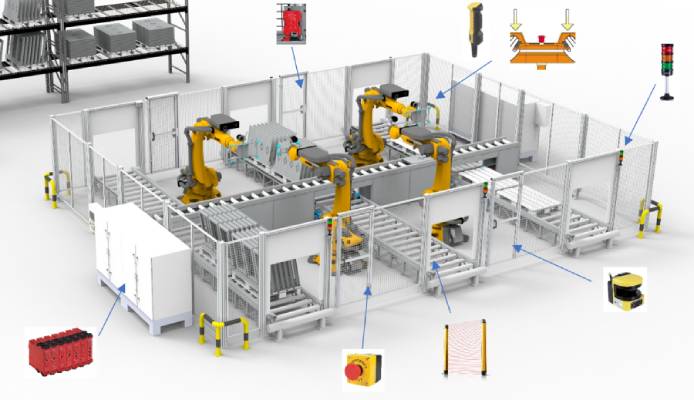
Machine guarding violations consistently rank among OSHA’s most frequently cited issues. These violations typically involve exposed moving parts, unprotected point-of-operation areas, or inadequate barrier guards. The consequences can be devastating—from crushed fingers and amputations to fatalities in severe cases. Many facilities operate with legacy equipment that wasn’t designed with modern safety standards in mind, creating especially challenging guarding scenarios.
Lockout/Tagout Failures
Improper lockout/tagout procedures represent another critical area where violations commonly occur. These procedures are designed to protect workers during maintenance and servicing activities by ensuring dangerous energy sources are properly controlled. Yet many facilities struggle with inconsistent application of these protocols, inadequate training, or failure to develop machine-specific procedures that address all energy sources.
Electrical Safety Issues
Electrical hazards present significant dangers in manufacturing environments yet often go unaddressed until a problem arises. From improperly maintained electrical panels to damaged cords and inadequate grounding, these violations can lead to shocks, burns, and fires. The complexity of modern manufacturing equipment sometimes means electrical safety is overlooked during routine maintenance checks.
Risk Assessment Deficiencies
Many OSHA citations stem from a fundamental issue: insufficient risk assessment. Without properly identifying hazards associated with specific machines and processes, companies cannot implement appropriate safeguards. Taking this proactive approach forms the foundation of effective safety programs but requires specialized knowledge that many facilities lack internally.
How Machine Safety Services Prevent Violations
Comprehensive Risk Assessments
Professional safety consultants bring a trained eye to machine operations, conducting thorough risk assessments that identify hazards before they become violations. These assessments consider not just obvious dangers but also less apparent risks that might emerge during different operational modes, maintenance activities, or unexpected situations. The systematic approach ensures no safety gap goes unnoticed.
Custom Guarding Solutions
Unlike one-size-fits-all approaches, specialized machine safety providers develop guarding solutions tailored to specific equipment and operations. These custom guards maintain productivity while ensuring worker protection. By balancing practical operational needs with compliance requirements, these solutions prove more effective and sustainable than generic alternatives that might interfere with production.
Lockout/Tagout Program Development
Creating effective energy control programs requires detailed analysis of each machine’s energy sources and development of specific procedures. Machine safety services can implement comprehensive lockout/tagout programs, including procedure documentation, training programs, and periodic audits to maintain compliance. This systematic approach eliminates the inconsistencies that often lead to citations.
Training and Documentation
Beyond physical safeguards, machine safety services typically include training programs that ensure workers understand safety protocols and documentation systems that demonstrate compliance efforts. This comprehensive approach addresses a crucial factor in OSHA citations: proving that safety measures exist not just in theory but also in practice.
The Return on Safety Investment
The cost of implementing proper machine safety measures pales in comparison to the potential expenses associated with OSHA violations, workplace injuries, and production disruptions. A single serious violation can carry penalties exceeding $13,000, with willful or repeated violations reaching over $130,000 per instance. Add to this the indirect costs of accidents—production delays, increased insurance premiums, worker compensation claims, decreased morale—and the business case for proactive safety investments becomes clear.
Preventing OSHA violations through professional machine safety services represents not just good compliance practice but also sound business strategy. By identifying and addressing potential issues before they escalate into citations or accidents, companies protect both their workers and their bottom line. The most successful manufacturing operations recognize that safety isn’t merely a regulatory burden but a fundamental aspect of operational excellence. Ready to protect your workers and avoid costly violations? Consider consulting with qualified machine safety experts who can assess your needs and implement solutions that enhance both compliance and productivity.
Featured Image Source: https://pacificblueengineering.com/wp-content/uploads/2021/07/005a.png