A lake trout trip is not cheap, and it is not close. By the time you have driven the back roads and paid the deposit, you have a lot riding on a place you have never seen. The outfitter you pick decides most of how the week goes. Same lake, two operators, and the experience can be miles apart.
That is why the questions you ask before booking matter more than the brochure. A good outfitter answers them straight. A weak one talks around them. When you are weighing options, a long-running family operation like Lake Ogascanan Lodge & Outposts is easy to vet, because three decades on one lake leaves a record you can check. The vague ones are harder to pin down, which tells you something on its own.
Before you send a deposit, dig into five areas. The outfitter’s experience. What the package includes. The fishing and the rules. Safety and amenities. And what past guests actually say. Ask well and you avoid the trip that looks good online and disappoints at the dock.
What Experience and Local Knowledge Does the Outfitter Offer?
Start with how long they have run the operation, and on which water. Lake trout are not a fish you luck into. They sit deep in cold water and move with the season, and finding them takes someone who has watched the lake for years. A guide who knows the trout’s depth in July versus September is worth more than any piece of gear.
Years On One Lake Beat A Slick Website
Ask who actually guides. Is it the owner, the family, long-time staff? An operation passed down through a family tends to hold its knowledge. The Mullens family at Ogascanan, for one example, is into its 37th season on the same lake, which is the kind of run that builds a real feel for how the fishery behaves.
Proof You Can Check
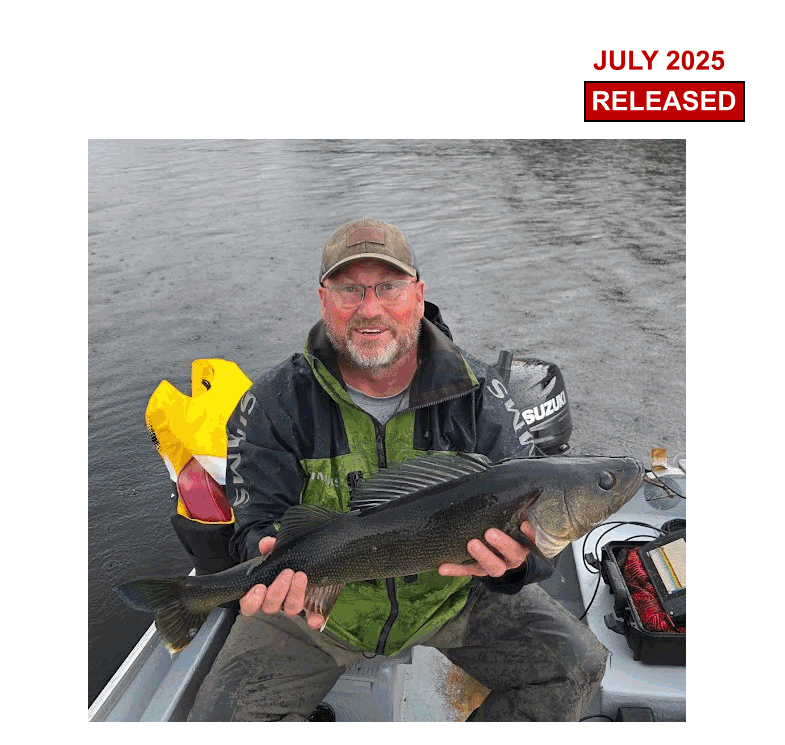
Push for proof. Photos help, but dated photos help more. A camp that dates its catch pictures by month and year is showing you what is happening now, not five seasons ago. That small habit separates the honest operators from the ones recycling old glory shots. If a place cannot show you recent fish, ask why.
What Is Included in the Fishing Package?
Get the package in plain terms before you book. Most outfitters include the boat, the motor, and fuel, plus lake orientation on arrival. Some loan rods. Confirm whether tackle, bait, and a net are provided or whether you bring your own. The gap between included and extra adds up fast on a week-long trip.
Know What You Are Paying For
Then the living side. Ask about the cabin. A propane stove and fridge, heat, electric light, and a hot shower are reasonable to expect at a serious camp. Find out whether meals are on you or provided, since housekeeping camps usually have you cooking your own catch. Neither is wrong, but you want to know before you pack a cooler.
The Costs Hiding Around The Edges
Ask about the things that are easy to overlook. Licence fees. Fuel surcharges. Gratuities. Whether a remote outpost costs more than the main camp. A straight outfitter gives you a clear all-in number. If the price keeps shifting every time you ask a question, take the hint.
What Are the Fishing Conditions and Catch Expectations?
Ask what the fishing is actually like, and listen for honesty over hype. Lake trout fish best in the cooler stretches of the season, holding deep through the warm months. A good operator tells you the realistic catch rate, the typical size, and the days the bite goes quiet. Some days you catch, some days you do not. A guide who admits that is one you can trust.
Honest Numbers, Not A Sales Pitch
Sizes vary by lake. A ten pound laker can be twenty years old or more, which is exactly why the rules matter. Ask about regulations and release policy. On a well-run fishery, lake trout are caught and released to protect slow-growing fish, and the better camps treat that as non-negotiable rather than a suggestion.
The Rules Are A Good Sign
Ask about licensing too. A valid provincial fishing licence is required, and a reputable outfitter helps you sort it. Be a little wary of any operation that shrugs at the regulations. A camp that protects its fishery by the rules is one that will still hold fish in ten years.
What Amenities, Safety Measures, and Support Are Available?
Remote water raises the stakes, so ask about safety plainly. Life jackets on every boat. A way to call for help from a lake hours from town, whether satellite phone or radio. What happens if the weather turns or someone gets hurt. A serious outfitter has thought all of this through and answers without hedging.
Safety You Hope Not To Need
Then the support side. Ask how much help a beginner gets, and whether a veteran can fish independently if they prefer. Good camps coach you through the week without hovering. Check the amenities that matter to you, hot showers, satellite internet, the layout of the cabins. Bush comfort, not a resort, but a warm dry base makes the fishing better.
What Do Reviews, Testimonials, and Booking Policies Reveal?
Reviews are where the truth leaks out. Look past the star rating to the detail. Do guests come back year after year? A camp with a long list of repeat bookings is doing something right, and that loyalty is hard to fake. Watch for patterns in complaints too. One bad review is noise. Five saying the same thing is, perhaps, the real picture.
Repeat Guests Tell The Real Story
Booking policy tells you about the operator’s character. Read the deposit terms, the cancellation rules, and the rescheduling options before you pay. A fair, clear policy is the mark of someone who plans to treat you well. Vague terms or pressure to pay fast are worth a pause.
A quick checklist to run before you send money:
- How many years on this lake, and who guides?
- What exactly is included, and what costs extra?
- What is the honest catch rate and release policy?
- What safety gear and emergency plan is in place?
- What do the deposit and cancellation terms say?
Ask Before You Commit
Before booking a lake trout outfitter, ask about years on the water, what the package truly includes, honest catch rates and release rules, safety and amenities, and what past guests say. Straight answers point to a camp worth the long drive.
The pattern is simple. The outfitters worth your money answer hard questions without flinching. They show recent fish, give a clear price, respect the regulations, and keep guests who come back. The ones that dodge are telling you what the trip will feel like.
Compare a few before you commit, and ask more than the brochure offers. To check this season’s catch photos or to ask the questions above, start here: https://ogascanan.com
Frequently Asked Questions
What should I ask a lake trout outfitter before booking?
Ask how long they have worked the lake, who guides, what the package includes, the honest catch rate and release policy, the safety plan, and the deposit and cancellation terms. Straight answers to those questions tell you most of what you need to know.
Do outfitters provide fishing gear and boats?
Most provide boats, motors, fuel, and safety gear, and some loan rods. Tackle and bait policies differ, so confirm what is included before you pack. Many anglers bring their own rods and rely on the camp for the boat and the lake knowledge.
Are guided lake trout trips suitable for beginners?
Yes. Lake trout fight hard but land with coaching, and a good guide handles the deep jigging and reading of the water. Beginners do well with help on board. Ask how much instruction is included so the trip matches your experience level.
What is typically included in a fishing outfitter package?
Usually the boat, motor, fuel, lake orientation, and a cabin with a stove, fridge, heat, and a shower. Meals may be included or self-catered, depending on the camp. Licences, gratuities, and remote-outpost upgrades often cost extra, so ask for an all-in figure.
How far in advance should I book a lake trout fishing trip?
Several months ahead is wise, since the better camps fill their prime weeks with returning guests. Popular summer dates go first. Booking early also gives you time to sort a licence and border paperwork if you are travelling from the US