The material your hair tie is made of does more to your hair than the style you twist it into. A smooth fabric glides out clean. A rough band drags and leaves you picking broken strands off your shoulder. Most people choose a hair tie by color or by whatever’s cheapest at the register. The material decides whether your hair comes out healthy or a little worse for wear.
Breakage, frizz, the tangles right where the tie sat. Usually the wrong material, not bad luck.
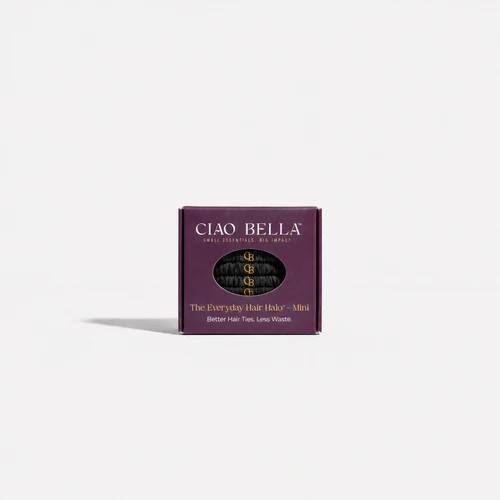
Friction and tension are the two forces doing the damage, and material controls both of them. A hard plastic-coated elastic rubs against the cuticle and squeezes one spot tight for hours. Softer materials skip most of that. Take the Hair Halo™ from Ciao Bella as an example. The pineapple fiber blend gives a smooth, soft surface, and the natural rubber and cotton core stretches to hold without the bite of a synthetic band. The best hair tie materials all share that one idea. Gentle on the surface, easy on the tension. Here’s how the common ones compare.
Why hair tie material matters for hair health
Two forces decide how much harm a tie does. Friction and tension.
Friction is the rub. Every rough surface that drags across your hair lifts the cuticle, the protective outer layer, and over time that’s what frays into split ends and breakage near the surface. Tension is the squeeze. A tie cranked too tight pulls on the same patch of scalp and roots day after day.
Material affects both at once. A smooth fabric cuts the friction. A stretchy, soft build eases the tension. A rough rubber band fails on both counts.
Texture changes how this plays out. Fine hair breaks under friction faster because each strand is so thin. Curly and textured hair snags more on rough surfaces, so a smooth tie helps it the most. Thick hair feels the tension side harder, since heavier hair needs a firmer hold.
Two things matter most when you weigh hair ties for hair health. How smooth the surface is, and how much gentle stretch the tie has. A metal clasp is the third strike, since it adds a hard edge that catches no matter how soft the rest feels.
Satin and silk ties for gentle everyday protection
Satin and silk come up constantly in hair care talk, and for a fair reason.
Both have slick, smooth surfaces, so hair slides over them instead of catching. Less friction means less frizz and fewer tangles, plus a softer crease, which is why people swear by them for sleep especially. A silk scrunchie overnight tends to leave your hair smoother by morning than a tight elastic would.
On satin vs silk hair ties, the difference is smaller than the marketing makes it sound. Silk is a natural protein fiber, soft and breathable, and usually the pricier of the two. Satin is a weave, not a fiber, and it’s often made from polyester. That means a lot of satin ties are technically plastic under the smooth finish. For your hair, both feel gentle. For everything else, they aren’t the same thing at all.
Their best use is light. Daily wear, loose styles, and overnight protection where you want as little friction as possible. The trade-off is grip. Slick surfaces can slide out during a workout, so silk and satin aren’t always the pick for a high pony.
Cotton and fabric-covered ties for comfort
Cotton sits in a comfortable middle ground. Not as slick as silk, but soft, breathable, and a lot kinder than bare elastic.
Fabric-covered ties wrap a stretchy core in soft material, so your hair only touches the fabric and never the rough band underneath. That alone removes most of the snag. Compare it to an exposed rubber band, the kind that grabs and tears strands every time you twist it out. There’s really no contest there.
Cotton works across most hair types. Fine hair gets a soft hold, and thick or curly hair gets a wrap that won’t cut in or rough up the curl. For everyday ponytails, buns, and the half-up you redo five times a day, a fabric-covered tie is hard to beat on comfort.
The catch is hold and lifespan. Pure cotton has almost no stretch on its own, so it’s usually blended with a core that does the stretching. A cheap version with a weak core goes slack fast.
Natural rubber and plastic-free options
Here’s where good hold and a lighter footprint finally line up in one tie.
Natural rubber comes from rubber trees instead of an oil refinery. It gives real stretch and snap-back, the bounce that holds a ponytail all day without going limp. Pair it with a soft fabric like cotton or pineapple fiber and you get hold and gentleness in the same band.
The plastic-free angle is the other draw. Standard elastics are built on polyester, nylon, or spandex, all plastic, and they shed tiny fibers as they wear down. A plastic-free tie skips that entirely. The Hair Halo, for one, runs a pineapple fiber blend over a natural rubber and cotton core, with no virgin plastic in it. Each six-pack of plastic-free ties is estimated to keep roughly 30g of plastic out of the environment. These tend to be the healthy hair ties people land on once they’ve cycled through all the rough, snapping stuff.
A few things to check before you switch. Look for a real plastic-free claim, not just “recycled,” since recycled polyester is still plastic. Make sure the core is natural rubber or cotton rather than a hidden synthetic. And weigh how long it lasts, because one tie that survives a year does more good than ten that don’t.
Materials to avoid and common hair tie mistakes
Some materials cause more trouble than they’re worth, full stop.
- Exposed rubber bands. The office-supply kind tear hair on contact. Keep them away from anything you want to grow out.
- Metal-clasp elastics. That little metal crimp catches and snaps strands every single time it passes through your hair.
- Cheap plastic-coated elastics. They feel fine when new, then turn rough and stiff as the coating wears off.
- Stretched-out ties. A tie past its prime grips by squeezing harder, which means more tension and more breakage, not less.
How do you know a tie is quietly hurting your hair? Watch for short broken pieces near the surface, or a sore patch on your scalp after you take a style down.
A few habits help as much as the material does. Loosen your everyday styles. Move the tie around so one spot doesn’t take all the strain. And retire ties the moment they lose their stretch. Hair ties that prevent breakage only work if you replace the ones that don’t.
Pick the material, not the packaging
No single material wins for everyone. Silk and satin protect best against friction, so they shine overnight and on loose days. Cotton and fabric-covered ties give soft, reliable everyday comfort. Natural rubber and plastic-free blends bring stretch and hold without the plastic shedding. The rough stuff, bare rubber and metal clasps, earns its spot in the trash.
Choose based on your hair type, how you wear it, and what your scalp can handle by day’s end. Explore the best hair accessories for healthy hair and give your strands the break they’ve been asking for.
FAQs
What is the healthiest material for a hair tie?
A smooth, soft fabric over a gentle stretchy core. Silk, satin, and soft plant-fiber blends all cut the friction that causes breakage. The main thing is a smooth surface and no metal clasp, whatever the exact fabric turns out to be.
Are silk hair ties better than satin hair ties?
For your hair, they perform similarly, since both are smooth and low-friction. Silk is a natural fiber and usually softer and more expensive. Satin is a weave that’s often synthetic, so if plastic-free matters to you, check what the satin is actually made from before you buy.
Do cotton hair ties cause less damage than regular elastics?
Usually yes. A fabric-covered cotton tie keeps the rough band off your hair, so there’s far less snagging. Bare or plastic-coated elastics drag on the cuticle, and that’s where a lot of surface breakage starts.
What hair tie materials should I avoid?
Exposed rubber bands, metal-clasp elastics, and stiff plastic-coated ties. They catch and tear strands, and the metal crimp is the worst of the bunch. Stretched-out ties belong on the list too, since they squeeze harder to hold.
Are natural rubber hair ties good for everyday use?
Yes. Natural rubber gives strong stretch and snap-back, so it holds a style all day without going slack. Paired with a soft fabric cover, it stays gentle on hair and skips the plastic of a synthetic elastic.