Outdated automation systems drain a company’s profits through unexpected downtime, safety violations, and compliance failures. Poor integration creates cascading problems that multiply operational costs far beyond initial estimates.
The Real Price of Automation Gone Wrong
Manufacturing floors across America tell the same story. Equipment breaks down at the worst possible moments. Production lines grind to a halt. Workers stand around waiting for systems to restart. These moments reveal the true cost of inefficient automation—expenses that go far beyond the initial investment in machinery and software.
Companies often focus on upfront automation costs but miss the hidden financial drain. Poorly integrated systems create a domino effect of problems. Each failure triggers additional complications that compound over time. The result is a steady hemorrhage of resources that many organizations fail to recognize until it’s too late. A control system integrator can identify these costly patterns before they spiral out of control.
When Systems Fight Each Other
Legacy equipment rarely plays nice with new technology. Different manufacturers use incompatible communication protocols. Data gets lost in translation between systems. These compatibility issues start costing real money through reduced productivity and increased maintenance requirements.
The problem gets worse when companies patch together solutions without proper planning, and quick fixes create more problems than they solve. Equipment that should work together operates in isolation, resulting in fragmentation that multiplies the complexity of troubleshooting when things go wrong. Operators waste time jumping between different interfaces and control panels.
The Downtime Disaster
Unplanned shutdowns devastate manufacturing schedules. Every minute of downtime can cost thousands in lost production. Safety hazards emerge when automated systems fail unexpectedly. Workers face increased injury risks when backup procedures kick in without warning. Compliance violations stack up as quality control measures break down.
Emergency repairs cost significantly more than scheduled maintenance. Overtime wages pile up as teams scramble to restore operations. Rush orders for replacement parts come with premium pricing. Customer relationships suffer when delivery promises can’t be met. The ripple effects extend far beyond the factory floor.
Critical Integration Points: Where Problems Hide
- Equipment Communication: Modern facilities need seamless data flow between machines, sensors, and control systems. Poor communication creates blind spots that hide developing problems until they become critical failures.
- Safety System Coordination: Automated safety measures must work together flawlessly. When integration fails, redundant safety systems can conflict with each other or leave dangerous gaps in protection coverage.
- Quality Control Integration: Inspection systems need real-time connection to production controls. Disconnected quality measures allow defective products to continue through the manufacturing process, creating expensive waste and potential liability issues.
- Maintenance System Alignment: Predictive maintenance relies on integrated sensor data and historical performance records. Fragmented systems prevent effective maintenance scheduling and increase unexpected equipment failures.
Smart Solutions for Integration Problems
Professional system integration addresses these challenges through comprehensive planning and execution. Experienced integrators evaluate existing equipment compatibility before recommending upgrades or replacements. They design communication protocols that allow different systems to share data effectively without creating new vulnerabilities.
The integration process involves mapping all system interconnections and identifying potential failure points. This thorough analysis prevents many problems before they develop. Moreover, proper documentation ensures that future maintenance teams understand how systems work together. Critical training programs help operators recognize early warning signs of integration problems.
Measuring the True Cost of Poor Integration
A financial impact assessment will reveal the full scope of inefficient automation costs. Direct expenses include repair costs, replacement parts, and overtime wages, while indirect costs involve lost production capacity, delayed shipments, and customer satisfaction issues. Hidden costs emerge through increased insurance premiums, regulatory fines, and worker compensation claims.
In addition, energy consumption often increases dramatically with poorly integrated systems. Equipment runs inefficiently when control systems can’t optimize performance across multiple machines. Power usage spikes during startup sequences that aren’t properly coordinated. These energy waste patterns continue 24/7, creating substantial utility bill increases that many companies never connect to their integration problems.
Manufacturing success depends on automation systems that work together seamlessly. The hidden costs of poor integration multiply quickly through downtime, safety issues, and compliance problems. Professional system integration eliminates these expensive problems while improving overall operational performance. Companies that invest in proper integration see immediate returns through reduced maintenance costs and increased production reliability.
Take action now to evaluate your current automation setup and identify integration opportunities that can protect your bottom line.
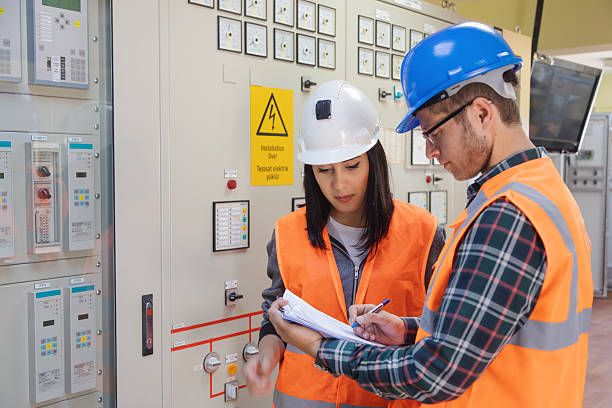
Featured Image Source: https://media.gettyimages.com/id/2228703190/photo/engineers-collaborating-in-modern-control-room-of-renewable-energy-facility-for-system.jpg?s=612×612&w=0&k=20&c=LTWz3D8wSJBrbETSkbUFFhrKRskz2kpXEZsiHgcnOhw=