Power generation facilities and furnace manufacturers face extreme operating conditions that demand materials capable of withstanding prolonged exposure to high temperatures and corrosive environments. The selection of appropriate tubing materials becomes critical for maintaining operational efficiency and preventing costly downtime. Standard carbon steel options simply cannot cope with the thermal stress and oxidation challenges present in these applications.
Arch City Steel & Alloy specialists recognise that material selection directly impacts equipment longevity and maintenance costs. Power generation equipment operates continuously under severe thermal cycling conditions, creating material fatigue over time. The wrong choice of tubing material can lead to premature failure, unplanned shutdowns, and expensive repairs that affect overall plant profitability.
Understanding 309 Stainless Steel Composition
The 309 stainless steel tube contains approximately 22-24% chromium and 12-15% nickel, providing superior high-temperature performance compared to standard austenitic grades. This elevated chromium content forms a protective oxide layer that resists scaling at temperatures up to 1000°C. The nickel content maintains austenitic structure stability, preventing harmful phase transformations that could compromise mechanical properties.
High-Temperature Performance Characteristics
Oxidation Resistance: The chromium-rich composition creates a tenacious oxide film that prevents further oxidation penetration into the base material. This protective barrier remains stable even during thermal cycling operations common in power generation applications.
Power plant operators appreciate the material’s ability to maintain structural integrity under thermal shock conditions. Rapid temperature changes during startup and shutdown procedures can cause inferior materials to crack or warp. Grade 309 demonstrates exceptional thermal fatigue resistance, reducing maintenance requirements and extending service life.
Industrial Applications in Power Generation
Superheater Tubes: Steam generation systems utilise 309 stainless steel tubing in superheater sections where steam temperatures exceed 500°C. The material’s creep resistance prevents deformation under combined thermal and mechanical stress loading conditions.
Furnace manufacturers specify this grade for:
- Heat exchanger tubing in waste heat recovery systems
- Radiant heating elements in industrial ovens
- Combustion air preheater components
- Flue gas recirculation piping systems
- Catalyst support structures in chemical processing
Furnace Manufacturing Requirements
Thermal Cycling Durability: Industrial furnaces experience repeated heating and cooling cycles that create significant thermal stress. Grade 309 maintains dimensional stability throughout these cycles, preventing warpage that could affect furnace operation or product quality.
The material’s low coefficient of thermal expansion minimises joint stress in welded assemblies. Furnace designers can create more reliable systems with reduced maintenance intervals, lowering total operating costs for end users.
Welding and Fabrication Considerations
Joint Integrity: Proper welding procedures ensure optimal performance of 309 stainless steel installations. The material requires controlled heat input to prevent carbide precipitation that could reduce corrosion resistance. Experienced fabricators understand these requirements and implement appropriate welding techniques.
Post-weld heat treatment may be necessary for critical applications to restore optimal microstructure and stress relief. This additional step ensures maximum service life in demanding operating environments where failure consequences are severe.
Economic Benefits and Performance Value
Lifecycle Cost Analysis: The initial material cost premium for 309 stainless steel tubing delivers substantial long-term savings through reduced replacement frequency and maintenance downtime. Power generation facilities operating on tight schedules cannot afford unexpected equipment failures during peak demand periods.
Furnace operators report significant improvements in operational reliability when upgrading from carbon steel to grade 309 stainless steel components. The enhanced performance justifies the material investment through improved productivity and reduced emergency repair costs.
Conclusion
Grade 309 stainless steel tubing represents the optimal material choice for power generation and furnace manufacturing applications requiring superior high-temperature performance. The material’s exceptional oxidation resistance, thermal stability, and mechanical properties ensure reliable operation under the most demanding conditions. Contact qualified material suppliers to discuss specific application requirements and obtain detailed technical specifications for your next project.
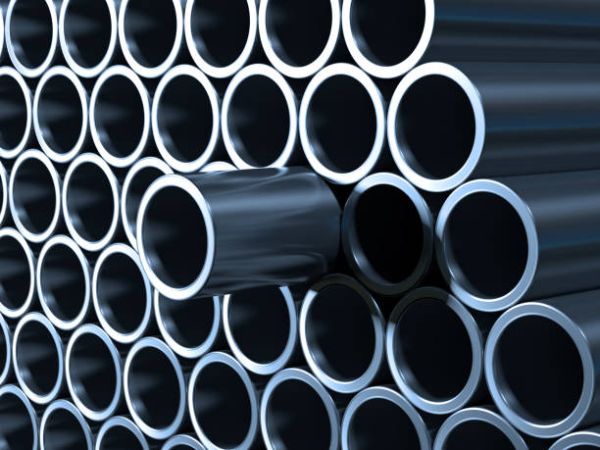
Featured Image Source: https://media.gettyimages.com/id/157429521/photo/metal-pipes.jpg?s=612×612&w=0&k=20&c=9_WZm5NmTzj70m46yZmSv4ppJAGEaLFuybPJREBmKGc=