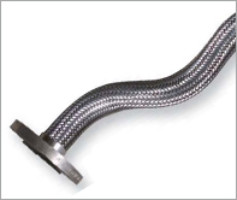
Industrial operations demand reliable fluid transfer solutions that can withstand extreme conditions without compromising safety or efficiency. Stainless steel hoses have emerged as the preferred choice for applications requiring superior corrosion resistance, temperature tolerance, and long-term durability. These robust components deliver consistent performance across challenging operational environments.
Leading manufacturers like JRE Private Limited have developed specialised stainless steel hose solutions to meet the demanding requirements of modern industrial operations. These companies understand that quality materials directly impact operational costs, safety protocols, and overall system reliability. Their expertise in metallurgy and engineering ensures optimal performance across diverse applications.
Stainless steel hose assemblies offer unmatched versatility in demanding industrial environments where standard rubber or plastic alternatives fail. These specialised components maintain structural integrity under extreme pressure differentials and temperature fluctuations. Their non-reactive properties make them essential for applications involving aggressive chemicals or food-grade materials that require absolute purity standards.
Chemical Processing Applications
- Acid Transfer Systems: Chemical plants rely heavily on stainless steel hoses for transferring corrosive acids and alkaline solutions that would quickly degrade standard materials. These hoses maintain their structural integrity when exposed to hydrochloric acid, sulfuric acid, and other aggressive chemicals. The material’s resistance to pitting and crevice corrosion ensures long service life even in highly corrosive environments.
- Solvent Handling Operations: Organic solvents pose unique challenges for fluid transfer equipment due to their tendency to cause swelling and degradation in rubber components. Stainless steel construction eliminates these concerns while providing excellent chemical compatibility. Manufacturing facilities processing acetone, toluene, and other industrial solvents depend on these hoses for reliable operation.
Food and Beverage Industry Uses
- Dairy Processing Equipment: Food safety regulations demand materials that won’t contaminate products or harbor harmful bacteria during processing operations. Stainless steel hoses meet stringent FDA requirements for food contact surfaces while resisting bacterial growth. Their smooth interior surfaces facilitate thorough cleaning and sterilization between production runs.
- Beverage Production Lines: Breweries and beverage manufacturers require hoses that maintain product purity without imparting flavors or odors. The non-porous nature of stainless steel prevents flavor contamination while withstanding aggressive cleaning chemicals. These applications often involve repeated steam sterilization cycles that would destroy alternative materials.
High-Temperature Industrial Applications
- Steam Distribution Networks: Power generation facilities and industrial steam systems operate at temperatures exceeding 400°F where conventional hoses fail catastrophically. Stainless steel maintains its mechanical properties at elevated temperatures while resisting thermal expansion stress. These installations require materials capable of handling both high pressure and temperature simultaneously.
- Furnace Cooling Systems: Metal processing operations utilize stainless steel hoses for cooling water circulation around high-temperature furnaces and kilns. The material’s thermal conductivity helps dissipate heat while its corrosion resistance prevents scale buildup. These demanding applications combine extreme temperatures with aggressive water treatment chemicals.
Pharmaceutical Manufacturing Requirements
- Clean Room Applications: Pharmaceutical production demands absolute contamination control throughout all fluid transfer operations. Stainless steel hoses provide the necessary purity levels while withstanding frequent sterilisation procedures. Their compatibility with validation protocols makes them essential for GMP-compliant manufacturing facilities.
- Active Ingredient Processing: Drug manufacturing involves handling potent compounds that require specialised containment measures to protect workers and products. The chemical inertness of stainless steel prevents unwanted reactions while its durability ensures reliable containment. These applications often involve both corrosive chemicals and strict purity requirements.
Key Benefits of Stainless Steel Hose Selection
- Corrosion resistance prevents premature failure in aggressive chemical environments, reducing replacement costs and maintenance downtime.
- Temperature tolerance allows operation in extreme conditions from cryogenic applications to high-temperature steam systems.
- Hygienic properties meet food-grade and pharmaceutical standards for contamination-free fluid transfer operations.
- Pressure capability handles high-pressure applications where rubber hoses would fail catastrophically under stress.
- Longevity provides extended service life that reduces the total cost of ownership compared to frequent replacement alternatives.
Stainless steel hoses represent a critical investment in operational reliability across diverse industrial applications. Their superior performance characteristics justify the initial cost through reduced maintenance, extended service life, and enhanced safety margins. Companies that prioritise long-term operational efficiency recognise the value these components bring to their systems. Contact qualified suppliers today to evaluate how upgraded hose materials can improve your facility’s performance and reduce operational risks.
Featured Image Source: https://www.jreltd.com/images/stainless-steel/pic3.jpg