The Evolution of Bulletproof Bags: Protection Without the Bulk
Modern ballistic protection has quietly evolved. Today’s bulletproof bags and backpacks blend seamlessly into everyday life—offering real defense without the tactical look, addressing concerns around weight, cost, and usability for people in all kinds of situations.
A New Way to Think About Safety
Something’s shifted. Maybe it started with a headline. Or a conversation at school drop-off. Whatever the trigger, more people are now asking: What kind of protection do I actually carry with me every day?
And suddenly, the backpack you’ve always used doesn’t feel like enough.
Bulletproof Without Looking It
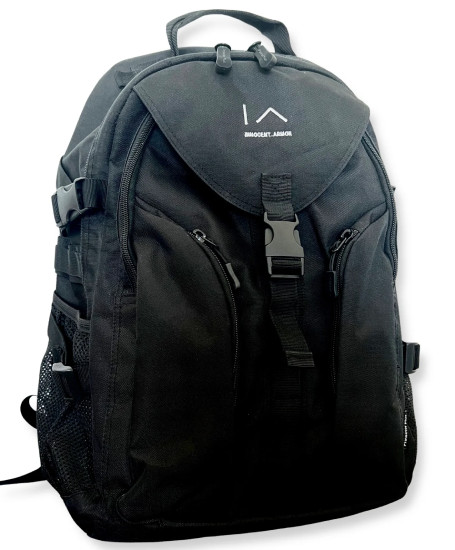
The new wave of bulletproof backpacks doesn’t advertise itself. They don’t look tactical. They don’t raise eyebrows. In fact, most look just like something you’d grab at your favorite department store.
This shift didn’t happen overnight. Brands began noticing that overt, military-style gear made people feel uneasy—too aggressive, too obvious. The response? Design protection to disappear into the background.
What’s Inside the Bag Actually Matters
Ballistic protection levels vary—and they can get confusing. NIJ Level IIIA, for instance, stops most handgun rounds and is the most common choice for everyday civilian use. But higher levels, which stop rifle fire, add significant bulk and weight.
And weight is no small factor. An extra 3 pounds might not sound like much—until you’re carrying it all day. That’s where advanced materials like aramid fiber composites make a real difference: the same level of protection, with nearly half the weight.
Smart Design Makes It Work
Early bulletproof bags looked… well, bulletproof. Oversized. Tactical. Not exactly something you’d bring to a meeting or carry through a school hallway.
Now, some bags include removable ballistic panels that can shift between backpacks, laptop bags, or messenger styles. Others integrate the protection directly into the bag’s structure. Either way, the key is discretion—form meets function.
What to Consider in the Real World
- Cost: Entry-level bulletproof bags start around $200. High-end options with upgraded materials and refined aesthetics can exceed $800.
- School Policies: Some schools allow ballistic protection. Others don’t. Always check local rules before purchasing gear for a student.
- Travel: Domestic airport security typically permits ballistic panels, but international rules vary widely. Research before flying.
It’s Not Just Gear—It’s a Mindset
Carrying protection changes how you feel. For some, it adds peace of mind. For others, it’s a reminder of the risks around them. There’s no universal answer—just a personal one.
But what’s clear is that ballistic protection is no longer bulky or obvious. It’s getting lighter, sleeker, and more adaptable every year.
In the end, it’s about having the option—without changing your look or lifestyle.
Featured Image Source: https://img.freepik.com/free-psd/military-icon-pack_23-2151772674.jpg