Water quality concerns affect millions of households across North America, with contaminants ranging from chemical additives to naturally occurring minerals. Understanding these threats becomes crucial for protecting family health and preventing costly damage to plumbing systems and appliances.
Selecting the best drinking water filter requires identifying specific contaminants present in local water supplies and how to address them. Different filtration technologies excel at removing particular substances, making targeted selection essential for optimal results. Municipal water often contains chlorine and fluoride, whilst well water typically harbours iron, bacteria, and sediment particles.
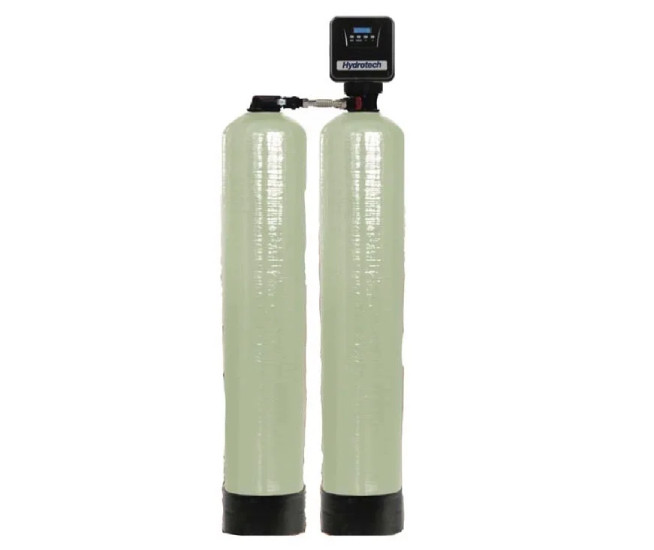
Advanced water treatment systems address multiple contamination categories simultaneously, providing comprehensive protection through multi-stage filtration processes. These sophisticated units combine various technologies to tackle chemical, biological, and physical contaminants effectively. Professional testing reveals which specific threats require attention in individual households.
Chemical Contaminants and Filtration Solutions
- Chlorine and Chloramines: Municipal water treatment facilities add these disinfectants to eliminate bacteria and viruses during distribution. Activated carbon filters excel at removing chlorine, improving taste and odour whilst protecting beneficial gut bacteria. Chloramines prove more persistent, requiring specialised catalytic carbon media for effective removal.
- Heavy Metals: Lead, mercury, and copper contamination occurs through aging infrastructure and industrial pollution. Reverse osmosis membranes effectively remove dissolved metals, whilst certain carbon filters target specific heavy metals. These contaminants accumulate in body tissues over time, making removal critically important.
- Pharmaceutical Residues: Prescription medications and hormones increasingly appear in water supplies through wastewater discharge. Advanced oxidation processes and high-quality carbon filtration help reduce these emerging contaminants. Standard municipal treatment often fails to eliminate pharmaceutical compounds completely.
Biological Threats and Protection Methods
- Bacteria and Viruses: Pathogenic microorganisms cause serious illness when present in drinking water supplies. Ultraviolet sterilisation destroys harmful bacteria and viruses without adding chemicals to water. Proper maintenance ensures UV systems continue providing reliable biological protection throughout their operational lifespan.
- Parasites and Cysts: Cryptosporidium and Giardia resist standard chlorine disinfection, requiring physical filtration or UV treatment for elimination. These microscopic parasites cause severe gastrointestinal illness in vulnerable populations. Submicron filtration effectively removes cystic forms of dangerous parasites.
Physical Contaminants and Removal Strategies
- Sediment and Turbidity: Visible particles make water appear cloudy and can damage sensitive filtration equipment downstream. Mechanical filtration through graded media removes suspended solids effectively. Regular filter replacement prevents particle breakthrough and maintains water clarity throughout the filtration system.
- Total Dissolved Solids: Minerals, salts, and other dissolved substances affect water taste and can damage appliances over time. The following common dissolved contaminants require specific treatment approaches:
- Calcium and magnesium create hardness, leading to scale buildup in pipes and appliances
- Iron causes staining and metallic taste, requiring oxidation followed by filtration
- Nitrates pose health risks, particularly for infants, and need ion exchange removal
- Fluoride removal requires specialised media or reverse osmosis treatment
- Arsenic demands specific filtration technologies designed for this toxic element
Matching Filtration Technology to Contamination Profiles
- Carbon Filtration Applications: Activated carbon excels at removing chlorine, organic compounds, and certain chemicals through adsorption processes. Different carbon types target specific contaminants, with coconut shell carbon providing superior performance for many applications. Regular replacement maintains filtration effectiveness and prevents bacterial growth within carbon media.
- Reverse Osmosis Capabilities: RO membranes remove dissolved solids, heavy metals, and many chemical contaminants through molecular-level filtration. These systems require pre-filtration to protect delicate membranes from chlorine damage and sediment fouling. Proper maintenance ensures consistent performance and extends membrane lifespan significantly.
Effective water treatment begins with understanding specific contamination threats present in local water supplies. Professional testing identifies targeted filtration needs, preventing wasted money on inappropriate solutions. Take action today by testing your water and consulting qualified professionals to design the most effective filtration system for your specific contamination profile.
Featured Image Source: https://www.thewaterguysnorth.com/wp-content/uploads/2025/03/Image-2018-07-25-at-9.32-AM.jpg